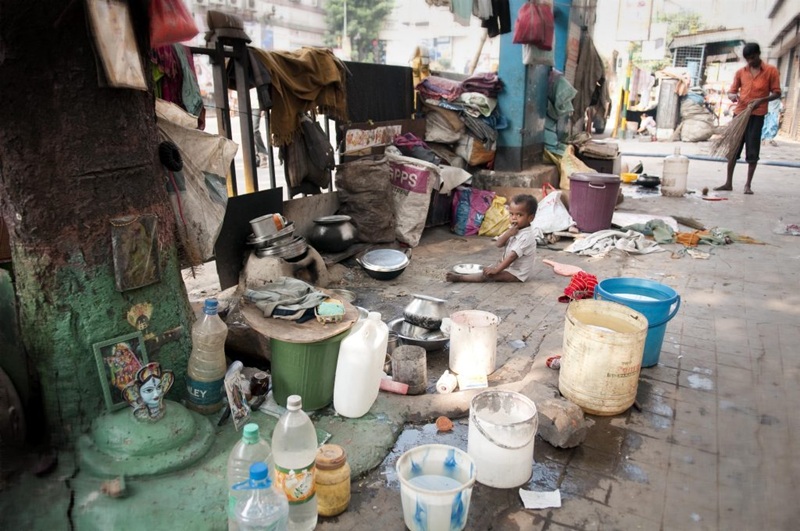

The World Bank’s claim that extreme poverty in India has fallen to 2.6% from 27.1% in 2011 is facing scrutiny over whether the underlying data can support such a dramatic conclusion. The estimate rests on National Statistical Office consumption surveys for 2022-23 and 2023-24, but those surveys used a different methodology from the 2011-12 round, making direct comparison problematic, argues economist Santosh Mehrotra.
The central issue is how household consumption data is collected. Until 2012, surveys relied on a single household visit. The new surveys involve three monthly visits and include estimated values for freebies. Earlier studies show repeated visits improve reporting, so the new approach is expected to capture spending more accurately and produce higher consumption estimates-mechanically reducing measured poverty. The 2022-23 and 2023-24 data are therefore not strictly comparable with 2011-12.
Despite that break, current poverty estimates combine higher household expenditure figures from the new surveys with poverty lines derived from the older series. Simply updating the 2011-12 poverty lines with a price index is not enough, Mehrotra writes; India needs new poverty lines. Since 2014, the government has not produced its own official poverty line, breaking with Planning Commission practice and relying instead on World Bank estimates.
Mehrotra also questions India’s multidimensional poverty claims, including those from NITI Aayog and a separate estimate by economists Rangarajan and Mahendra Dev for 2023 and 2024, which he says overlook methodological differences. The World Bank’s own multidimensional measure starts with a $3 purchasing power parity poverty line, putting the poor at 5.3%, and adds five indicators from the Oxford MPI’s 10-indicator list. It offers no theoretical explanation for excluding a health indicator or for relying only on input indicators, he says.
On monetary poverty, the World Bank’s Poverty and Equity Brief says progress was “mainly driven by strong consumption growth, rising employment, especially among women, and expanded social transfers, including food subsidies.” Mehrotra argues this needs closer examination. He notes strong evidence that poverty fell sharply between 2004 and 2012-by 138 million people using the Tendulkar line-and that the reasons for slower reduction since 2015 are well documented.
Growth averaged 7.8% a year from 2004 to 2014, compared with 6.2% from 2014 to 2026, and investment and savings rates were higher in the earlier period. Policy shocks after 2016-demonetisation, a poorly designed GST and nationwide lockdowns-hurt unorganised-sector and MSME employment, while the post-Covid recovery was K-shaped. About 65 million workers were added to agriculture after 2020, many women returned to farm work as unpaid family labour, and real wages stagnated. Non-farm job creation has been only half the required level, with India needing 12 million new non-farm jobs a year for the next 20 years.
Poverty may have fallen since 2015, Mehrotra concludes, but by how much remains unknown.
Original Source: https://nenews.in/politics/poverty-in-india-word-banks-claims-of-dramatic-decline-misleading/70071/
Category: Politics,NITI Aayog,World Bank
Tags:
Publish Date: 2026-11-05 12:58:00