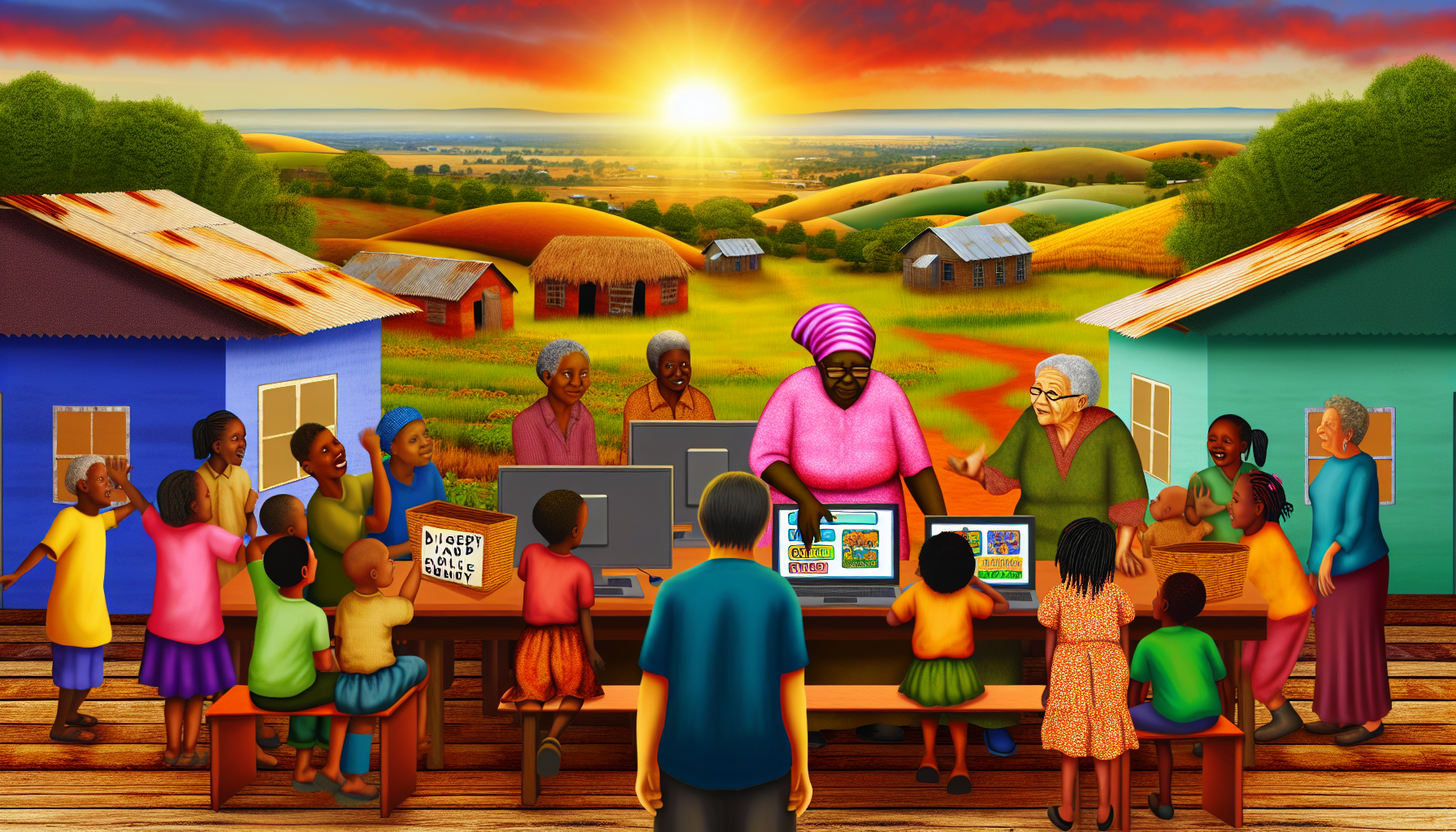
Empowering Rural Communities Through Digital Literacy: Bridging the Digital Divide for a Brighter Future

In a small village in Northeast India, a group of women gathered under a sprawling banyan tree, their laughter mingling with the rustling leaves. They were not just sharing stories; they were learning to navigate the digital world. Armed with smartphones and a newfound curiosity, they were exploring everything from online marketplaces to digital banking. This scene, though seemingly simple, is a powerful testament to the transformative potential of digital literacy in rural communities.
Digital literacy isn’t just about knowing how to use a device; it’s about empowerment. It’s the key that unlocks doors to opportunities that were once unimaginable. In a world where the internet has become a lifeline for education, commerce, and social connection, bridging the digital divide is crucial. Yet, the reality is stark: nearly 3 billion people globally still lack internet access, with rural areas bearing the brunt of this disparity. This gap isn’t just a statistic; it’s a barrier to progress, stifling innovation and limiting potential.
Take the story of a farmer named Raju from a nearby village. With limited access to information, he relied on traditional methods for crop management, often facing the consequences of unpredictable weather and market fluctuations. However, after participating in a digital literacy program, Raju learned to use agricultural apps that provided real-time weather updates and market prices. This knowledge didn’t just improve his yield; it transformed his livelihood. He began to connect with buyers directly, eliminating middlemen and increasing his profits. Raju’s story illustrates how digital literacy can empower individuals, enabling them to make informed decisions that enhance their quality of life.
The impact of digital literacy extends beyond individual stories; it ripples through entire communities. When people are equipped with the skills to navigate the digital landscape, they can share knowledge, collaborate on projects, and foster innovation. Imagine a group of artisans in a rural area who, through online platforms, can showcase their crafts to a global audience. They can not only sell their products but also learn from others, exchanging ideas and techniques that enrich their craft. This kind of interconnectedness is vital for sustainable development.
However, the journey toward digital literacy is not without its challenges. Infrastructure remains a significant hurdle; many rural areas still lack reliable internet connectivity. Moreover, there’s a pressing need for tailored educational programs that consider local languages and cultural contexts. It’s not enough to simply provide access; we must also ensure that the content is relevant and engaging. Initiatives that involve local leaders and community members in the design and delivery of these programs can significantly enhance their effectiveness.
As we think about bridging the digital divide, it’s essential to recognize that technology is not a panacea. It’s a tool—one that must be wielded thoughtfully. We must cultivate a mindset that values lifelong learning and adaptability. The digital landscape is ever-evolving, and the ability to learn and unlearn is more critical than ever.
Here are a few reflections to consider: First, digital literacy is not just an individual skill; it’s a community asset. When one person learns, the ripple effect can uplift an entire community. Second, fostering curiosity is vital. Encouraging individuals to explore and experiment with technology can lead to unexpected innovations. Lastly, let’s remember that the journey toward digital inclusion is ongoing. It requires collaboration, empathy, and a commitment to understanding the unique challenges faced by rural communities.
As we move forward, let’s ask ourselves: How can we contribute to a world where digital literacy is a universal right, not a privilege? The banyan tree in that village stands as a reminder that under its shade, knowledge can flourish, transforming lives and communities, one connection at a time.
About the Author:
Sanjeev Sarma is an IT enthusiast with over 20 years of experience in enterprise software development. As the Director of Software Services and Chief Software Architect at Webx Technologies Private Limited, he blends intellectual curiosity with a human-centered approach to technology. Based in Northeast India, Sanjeev is passionate about empowering communities through digital literacy and exploring the intersection of technology and everyday life.