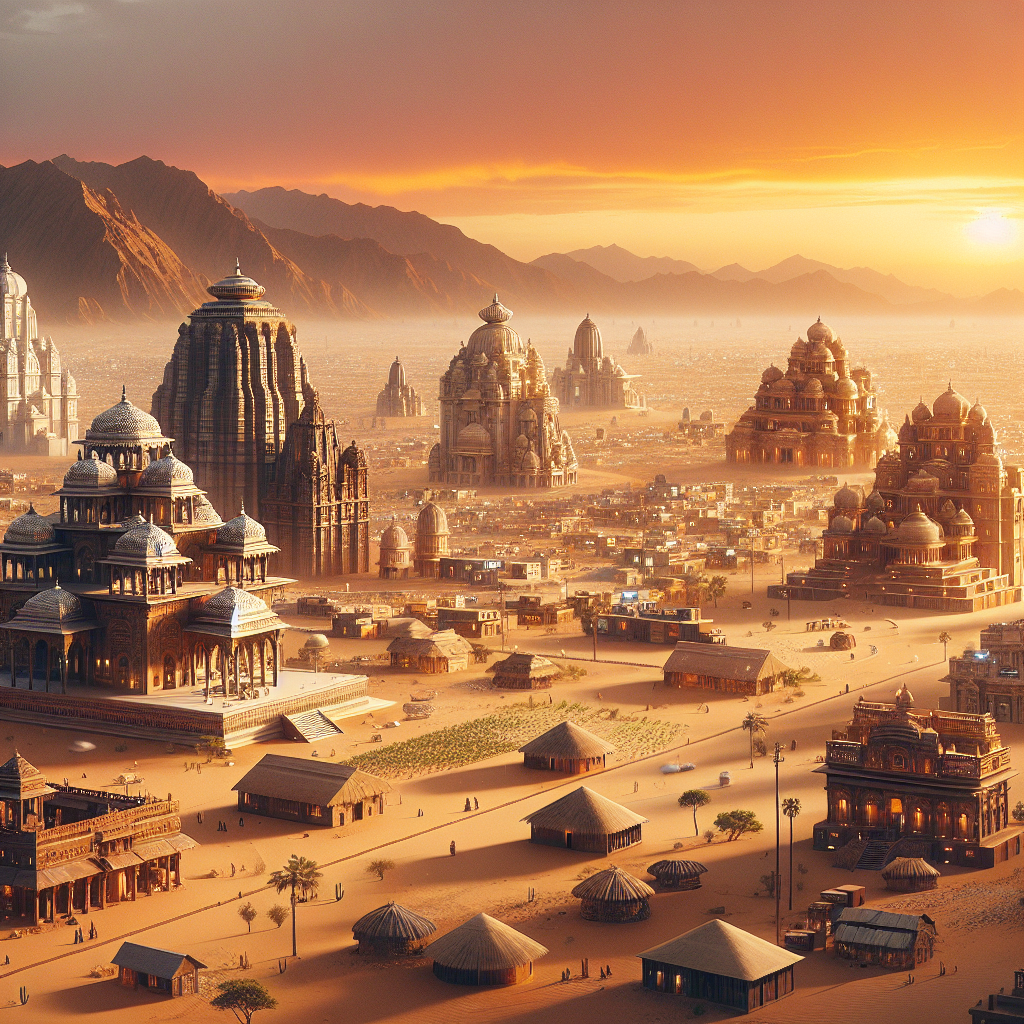
Cultural Harmony in Indian Architecture: Celebrating Diversity and Heritage

Picture yourself standing in front of the magnificent Brihadeeswarar Temple in Thanjavur. The towering vimana looms above you, a testament to the Chola dynasty’s unparalleled architectural prowess. It’s not just any building; it’s a conversation—a dialogue between centuries, cultures, and ideologies. Indian architecture is like a rich tapestry, woven from the threads of diverse traditions, histories, and artistic expressions. And as we delve into its nuances, it’s fascinating how much this reflects the ever-evolving Indian identity.
Indian architecture is a kaleidoscope. From the regal forts of Rajasthan to the intricately carved temples of Tamil Nadu, every structure tells a unique story. Take the Taj Mahal, for instance. This iconic wonder isn’t just a mausoleum; it symbolizes the fusion of Persian, Islamic, and Indian styles. Shah Jahan’s romantic homage to his beloved Mumtaz Mahal showcases the marriage of art and emotion, where architecture becomes an expression of love. But let’s not forget about the modern era. Contemporary architects are blending these rich traditions with innovative designs, creating spaces that resonate with both heritage and modernity.
A quick stroll through a city like Ahmedabad gives us even more insight. The Sabarmati Riverfront Development is a remarkable example of how urban planning can blend tradition with modern requirements. Here, colonial influences meet modern aesthetics, creating a space that serves functional needs while honoring the city’s heritage. People come to engage, socialize, and connect with nature—a perfect reminder that architecture is never just about buildings; it’s about the people who inhabit them.
As I reflect on our own projects at Webx Technologies, where technology melds with design, I’m reminded of how vital these cultural narratives are. When we build software or design digital interfaces, we must ensure they resonate with the user’s context, bridging the traditional with the modern. Each screen, like an architectural façade, tells a story. If we’re not mindful of the cultural nuances, we risk creating a disconnect. This concept of blending perspectives is what drives innovation.
One key takeaway from our exploration of Indian architecture is the importance of adaptability. Just as centuries of influences have shaped the structures we admire today, our own lives and careers can thrive when we embrace the diverse cultures and ideas around us. This is especially relevant in today’s tech landscape, where understanding varied perspectives can spark creativity and lead to groundbreaking solutions.
Another point worth considering is the sense of belonging that architecture can instill. The buildings we inhabit define communal spaces and create identities. Whether it’s the local tea shop adorned with traditional motifs or a sleek contemporary office, these spaces shape how we interact with one another. As we design our futures—whether in tech, entrepreneurship, or even simply in our daily lives—let’s take a page from these architectural masterpieces and create environments that foster connection and community.
In an era where globalization often threatens to homogenize cultures, we must be the guardians of our diverse heritage. Our architecture—like our communities—should not just be a reflection of the past but also a canvas for future innovations. It’s an ongoing dialogue, a narrative that welcomes contributions from every corner of our society.
So, what will your contribution be? As we walk the fine line between tradition and innovation, let’s ensure that our creations stand the test of time, reflecting not just who we are but also where we aspire to go.
Author Profile:
Sanjeev Sarma is the Director of Software Services and Chief Software Architect at Webx Technologies Private Limited. A passionate IT enthusiast, he delves into the intersections of technology, culture, and daily life. With a background rooted in the diverse heritage of Northeast India, Sanjeev’s insights reflect a blend of curiosity and firsthand experience, illuminating the pathways of digital transformation and innovation. Follow him for more reflections on the ever-changing world of technology and culture.