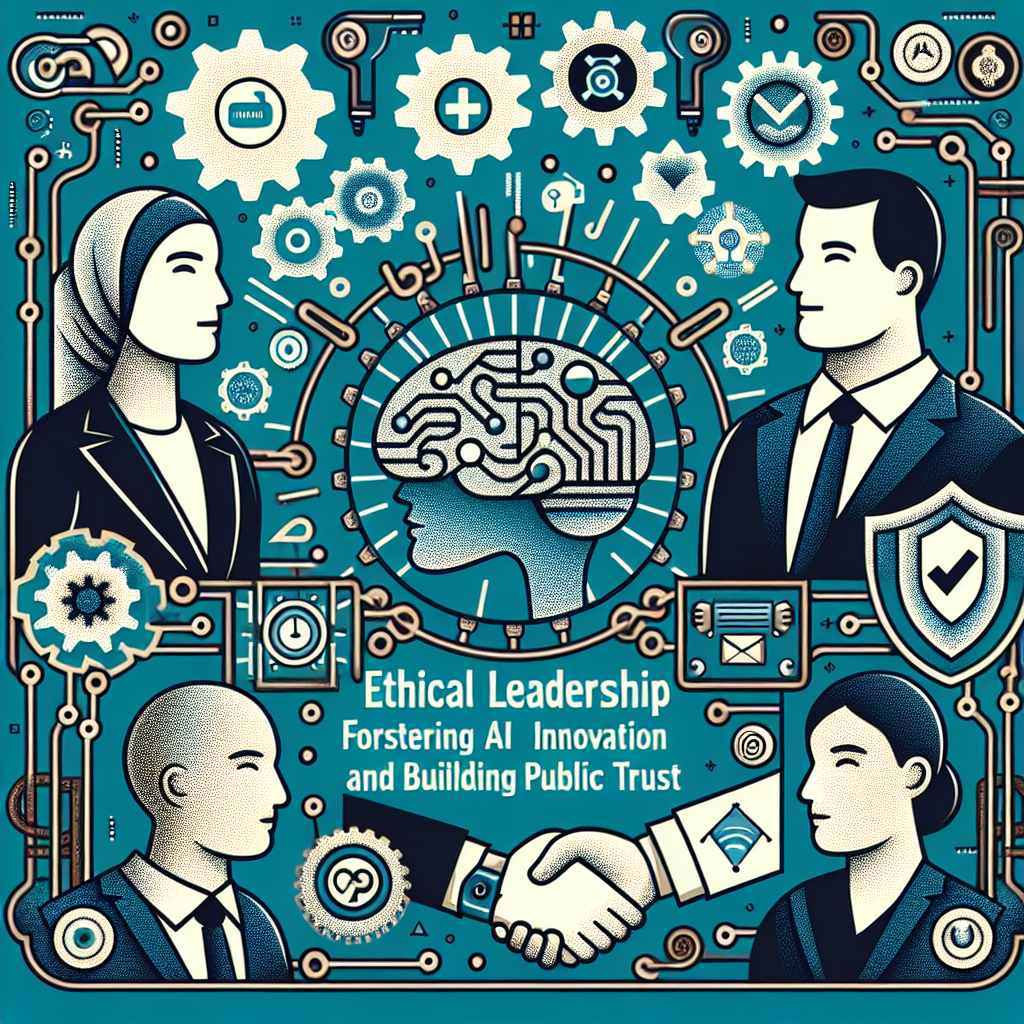
Ethical Leadership: Fostering AI Innovation and Building Public Trust

Ever had that moment when you’re riding a wave of creativity, and suddenly, you pull up short—what about the ethics? Picture this: you’re building the next big AI model that could revolutionize industries, yet somewhere in the back of your mind is a nagging question: "Will this do more harm than good?" It’s a dilemma that more and more tech enthusiasts and entrepreneurs face, especially as artificial intelligence continues to infiltrate every aspect of our lives.
Let’s take a quick trip back to a sunny day in March 2021, when a particular incident sparked a global conversation. An AI algorithm used in a hiring process inadvertently favoring male candidates was revealed, and the fallout was immediate. It felt like being handed a scalding coffee: startling and uncomfortable. This isn’t just a tech issue; it touches on trust, ethics, and, most importantly, humanity. As creators, we wield a powerful tool, and with great power comes, you guessed it, great responsibility.
Ethical governance in the realm of AI is not merely a nice-to-have; it’s a necessity. As we march forward, it’s vital to strike a balance between innovation and public trust. In the past, tech development often ran on the idea of “move fast and break things.” Now, it’s become clear: if you break trust, you break your potential for sustainable growth and innovation. Imagine an AI that’s fantastic at predicting trends but is also making critical decisions based on outdated or biased data; the longer you ignore these nuances, the more you jeopardize both your users and your company’s future.
One very practical takeaway is to adopt a transparency-first mindset. Let’s say you’re an entrepreneur designing a new app powered by AI—don’t hide how your algorithm works or what data it uses. People are naturally curious and a bit skeptical. Sharing insights on how AI reaches its decisions not only builds trust but also makes the technology feel less like magic and more like a tool designed for humanity.
Additionally, consider involving a diverse set of voices in your development process. Just as a good recipe balances different flavors, the same goes for creating technology. A multidisciplinary team—comprising ethicists, sociologists, and subject matter experts—can identify potential blind spots that a homogenous group might overlook. The same way that a Northeast Indian thali showcases diverse ingredients coming together harmoniously, your project can achieve optimal results by integrating varied perspectives.
Another point for reflection revolves around regulation. While it might seem daunting, understanding existing laws and frameworks surrounding AI can be a compass guiding your innovation. Countries and organizations are waking up to the fact that ethical standards aren’t just bureaucratic red tape; they’re essential for safeguarding public trust.
Remember, not all innovation lies in fancy algorithms or powerful machine learning models. Often, the most impactful innovation shines in how we choose to apply technology ethically. A great example is the development of AI for healthcare applications during the pandemic. Those creating AI tools for vaccine distribution didn’t just rely on algorithms—they actively sought to address inequities and ensure accessible healthcare, creating a boost in public trust and acceptance of the technology.
As we dive deeper into this tech-infused world, think of ethical governance not as a static rulebook but as an evolving dialogue. Engage in conversations at the intersection of technology and humanity, and don’t shy away from the tough questions. It’s all part of a beautiful tapestry that brings innovation to life while nurturing the trust that makes it all possible.
Let’s keep fostering a culture where technology serves humanity, not the other way around. After all, we are the architects of our digital future—let’s ensure it’s built on a foundation of ethics and trust.
About the Author:
Sanjeev Sarma serves as Director Software Services and Chief Software Architect at Webx Technologies Private Limited. An IT enthusiast with a keen interest in AI, cybersecurity, and digital transformation, he explores the intricacies of technology’s impact on daily life while striving to foster a responsible tech landscape. Sanjeev blends his knowledge with an inquisitive perspective to drive innovative solutions that resonate with a diverse audience.