
The Infinite Shelf: Why Context Architecture Beats Content Volume
We often obsess over the speed of AI content generation, but we rarely talk about the friction of human consumption. In a world where generative models can produce terabytes of text and video in seconds, the bottleneck has officially shifted from production to perception.
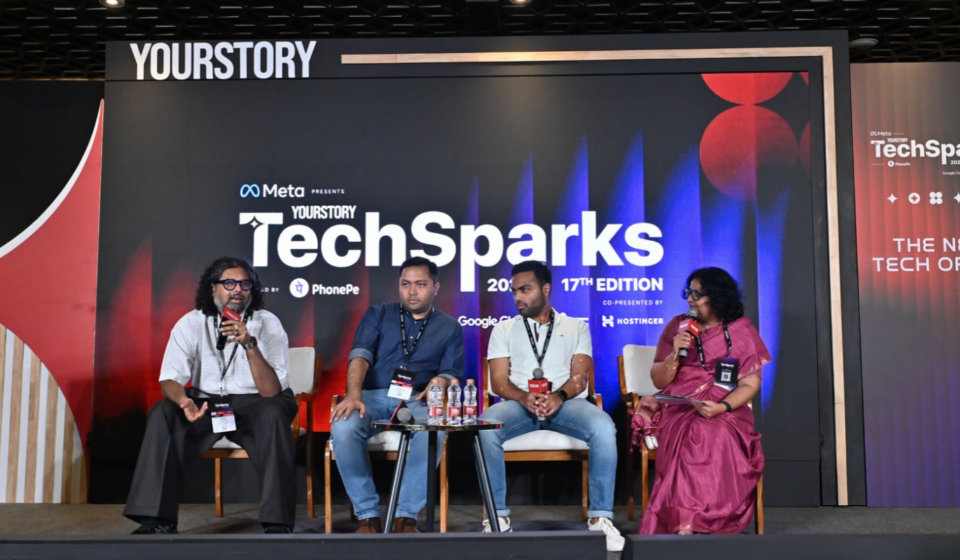
I recently came across a fascinating panel discussion from TechSparks 2026 featuring leaders from HT Media Labs, Inshorts, and Eloelo. They were dissecting the concept of “The Format Is the Product,” tackling the existential question every media architect faces today: When content becomes infinite, how do you capture finite human attention?
The Signal in the Noise
The consensus from the panel was clear: the differentiator is no longer the content itself, but the container. While AI accelerates creation, the human element-taste, trust, and curation-remains the ultimate arbiter of value. The conversation highlighted a shift where product design must prioritize “format” and “trust” over sheer volume.
Architecting for Context, Not Content
From an enterprise architecture standpoint, this is a profound shift. We have spent the last decade building systems optimized for volume-data lakes, high-throughput pipelines, and massive CDNs. But the next decade will be defined by systems optimized for context.
Looking at the examples shared by the panel, the success of products that limit choice-like a music player that recreates the tactile experience of radio-or ones that verify local news in smaller towns, isn’t accidental. It is a strategic deployment of “choice architecture.”
As a Chief Architect, I see this as the “Friction Paradox.” In consumer tech, we strive for zero friction in usability, but we must introduce cognitive friction to filter out the noise. Building a voice-first interface for a user in a rural district is a Hard Tech problem-it requires robust natural language processing and low-latency edge processing. AI can handle the heavy lifting of content discovery, but as the panel noted, it cannot yet replace the “creative spark” or the editorial judgment required to know what a specific community actually cares about.
The Bharat Reality: Voice as the Interface
This discussion hits home for the work we do in Northeast India and the broader Indian tech ecosystem. The panel touched on a critical gap: despite the push for “Digital India,” 98% of the country consumes content in local languages, often preferring voice over text.
In my experience advising state tech committees, I have often argued that the next billion users will not type. They will speak. If we are building enterprise solutions or DPI layers for the “Bharat” market, Voice UI isn’t a feature; it’s the foundation. We need to pivot from English-centric search bars to voice-based transactional workflows. The architecture challenge is immense-processing dialects, managing accent variations, and delivering content that is culturally resonant. If we don’t build this stack, we aren’t just missing a market segment; we are failing the architectural mandate of inclusion.
Strategic Takeaways for Tech Leaders
- Trust is a Technical Requirement: In the era of deepfakes, “verification” must be baked into the data schema. Architecting for verifiable provenance (like the HT Verify concept) is not just PR; it’s a system requirement.
- Voice-Native is the Next Platform: Startups targeting the “Next Billion” must move beyond text. The R&D investment must go into voice recognition tailored for regional accents and local idioms.
- Friction as a Feature: Don’t just curate content; curate the experience. Limiting user choice can sometimes deepen engagement, provided the quality is high.
The Closing Thought
We are moving from a scarcity of information to a scarcity of attention. The winners of the next decade won’t be those who generate the most content, but those who architect the most resilient trust networks. In a sea of infinite noise, clarity is the ultimate luxury.