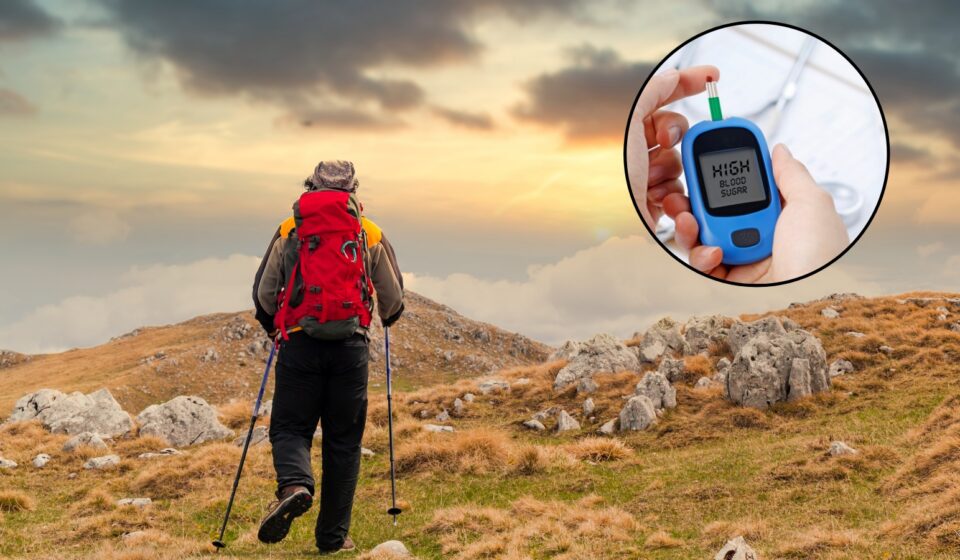

Most people with well-controlled Type 2 diabetes can safely enjoy trekking and often benefit from it, say specialists, provided they prepare and monitor themselves carefully. Dr Rajiv Kovil, Diabetes & Obesity Specialist at Zandra Healthcare, says trekking can improve insulin sensitivity, cardiovascular fitness, weight management and mental well‑being, but adds that “a pre‑trek assessment and an individualised plan make trekking both safe and rewarding.”
Trekking is not risk‑free for everyone. Experts warn that people with unstable blood sugars, recent severe hypoglycaemia, advanced heart disease, uncontrolled hypertension, severe kidney disease, active foot ulcers, proliferative diabetic retinopathy or significant peripheral neuropathy should have a medical evaluation before attempting a difficult trek. High‑altitude expeditions need extra caution, and Dr Vineeta Singh Tandon, Senior Consultant – Internal Medicine at ISIC Multispeciality Hospital, stresses that “consulting your doctor before any challenging trek is always the safest approach.”
Before heading out, specialists recommend a thorough health check that includes HbA1c to assess blood sugar control, blood pressure, kidney function, heart evaluation and a foot and retinal examination. For those over 40 or with long‑standing diabetes, a cardiac stress test may be advised depending on risk. Trekking plans should include a written medical summary, prescription details and emergency contact information.
Physical activity on a trek usually lowers glucose because muscles use more sugar during sustained exercise, Dr Kovil explains: “Trekking can lower blood glucose.” However, strenuous climbs, stress, altitude, dehydration or intercurrent illness can temporarily raise blood sugar, so both sudden highs and lows are possible. People taking insulin or sulfonylureas are at increased risk of hypoglycaemia; regular monitoring-before setting out, every few hours on long days and after finishing-is recommended. As Dr Kovil puts it, “Regular monitoring prevents both dangerous lows and unexpected glucose spikes.”
Packing smart is essential. Dr Kovil recommends carrying “a glucose meter or preferably a CGM, sufficient testing supplies, medications, insulin with proper temperature protection, glucose tablets or glucose gel, energy snacks, nuts, protein bars, water, oral rehydration salts, and identification stating they have diabetes.” Extras such as spare insulin pens, needles and waterproof pouches for medicines are advised, and Dr Tandon adds that a medical identification card noting diabetes status is important.
Altitude and dehydration complicate glucose control: dehydration raises blood glucose and increases the risk of heat‑related illness and acute kidney injury, Dr Kovil warns. Experts advise frequent fluid intake-even before thirst starts-small carbohydrate snacks, avoiding alcohol and not skipping meals. Dr Tandon notes that high altitude may affect appetite and energy and recommends gradual acclimatisation and avoiding overexertion on the first day.
Recognising warning signs early can be life‑saving. Symptoms such as excessive sweating, trembling, hunger, dizziness, confusion, blurred vision, sudden fatigue, slurred speech or poor coordination may indicate low blood sugar, while very high glucose can cause extreme thirst, frequent urination, nausea or profound tiredness. If symptoms appear, stop trekking, check glucose, hydrate and seek help if symptoms do not improve.
Diabetes need not be a barrier to trekking, but safety depends on preparation, monitoring and knowing when to stop. This article is based on information from public domain sources and interviews with experts; always consult your health practitioner before starting any new activity or trek.
Original Source: https://indianexpress.com/article/lifestyle/health/a-diabetics-guide-to-trekking-what-to-pack-monitor-and-avoid-10767971/
Category:
Tags:
Publish Date: 2026-07-26 06:00:00