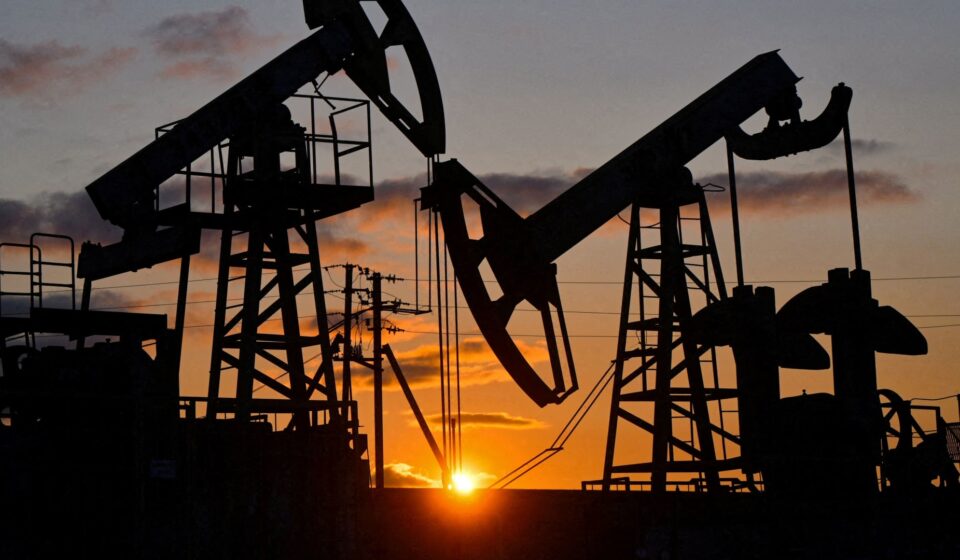

Oil prices experienced declines following remarks from former U.S. President Donald Trump regarding the conflict in Iran and a ceasefire agreement between Israel and Lebanon. On June 4, 2023, U.S. crude oil futures for May delivery fell by 1.44% to settle at $93.33 per barrel, while the international benchmark Brent crude for June delivery dropped 1.29% to $98.10 per barrel.
In a statement on Thursday, Trump described the ongoing conflict in Iran as “going along swimmingly” and expressed optimism about its impending conclusion-marking a shift in rhetoric since the conflict escalated on February 28. Just hours before, he announced on his Truth Social platform that a 10-day ceasefire between Israel and Lebanon would begin at 5 p.m. ET. Trump also indicated that Israeli Prime Minister Benjamin Netanyahu and Lebanese President Joseph Aoun would be invited to the White House for pivotal discussions, the first meaningful bilateral talks since 1983.
The U.S. State Department confirmed that both nations were focused on establishing conditions for lasting peace, underscoring the importance of mutual recognition of sovereignty, enhanced border security, and reaffirming Israel’s right to self-defense. The department flagged concerns over non-state armed groups that threaten Lebanon’s sovereignty, stressing the need for stability in the region.
Trump also conveyed expectations for Lebanon to address concerns surrounding Hezbollah, the Iran-backed militant group. These developments have sparked hopes for a broader resolution to ongoing tensions in the Middle East.
Market analysts at ING note that oil prices are under pressure due to the perception that U.S. and Iran could extend their ceasefire for an additional two weeks, which may facilitate renewed discussions to resolve the ongoing conflict. However, they cautioned about tightening supply conditions in the physical oil market each day that oil flows through the key Strait of Hormuz remain stalled.
Despite rerouted pipelines and limited tanker movements, ING estimates that approximately 13 million barrels of oil per day are currently disrupted, a figure that could increase if a U.S. blockade becomes more stringent. They cautioned that a major risk to the oil market is the potential breakdown of peace talks between the U.S. and Iran, given the significant gaps in demands from both sides.
As the situation evolves, market watchers remain alert to geopolitical factors that could influence oil prices further. Traders are particularly attentive to developments in the Middle East and their implications for the global oil supply chain.
For those seeking timely updates on oil markets, geopolitics, and economic trends, stay tuned to CNBC for expertly curated business news and analysis.
Original Source: https://www.cnbc.com/2026/04/17/oil-prices-wti-brent-israel-lebanon-ceasefire-trump.html
Category :
Tags:
Publish Date: 2026-04-17 10:34:00