Transform Your Waste Management: Discover the Powerful New Four-Bin System in the 2026 SWM Rules!

Starting April 1, 2026, households in India will need to adapt to a new mandatory waste segregation system as outlined in the revised Solid Waste Management (SWM) Rules 2026, recently announced by the Union Ministry of Environment, Forest, and Climate Change. This initiative introduces a four-stream segregation model, requiring residents to categorize waste into wet waste, dry waste, sanitary waste, and special care waste, which includes items such as paint cans, bulbs, mercury thermometers, and medicines.
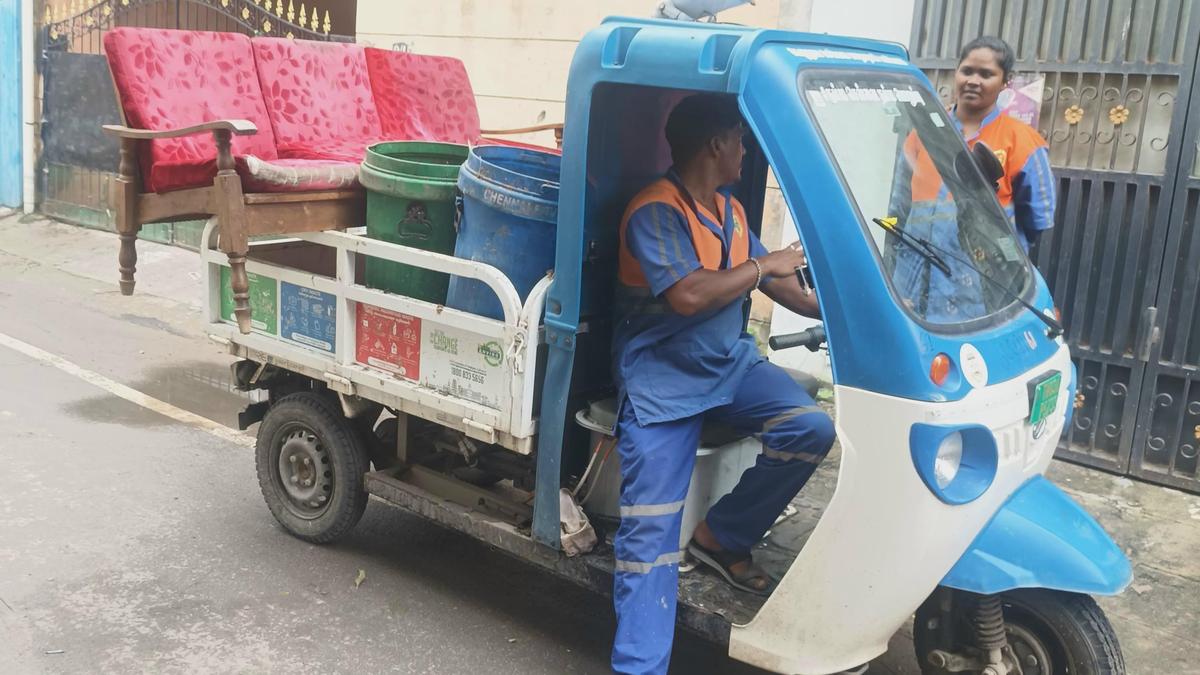
These updated rules replace the Solid Waste Management Rules of 2016 and emphasize principles of a circular economy and extended producer responsibility, aiming to enhance waste segregation and management practices. Experts in Chennai have cited challenges such as a lack of sufficient collection vehicles and processing facilities, stressing the need for rigorous enforcement across all stakeholders.
Under the new regulations, bulk waste generators-entities producing significant amounts of waste-are obligated to either process their wet waste on-site or secure an Extended Bulk Waste Generator Responsibility (EBWGR) certificate, which permits them to bypass this requirement. Bulk waste generators are defined as those with a facility size of at least 20,000 square meters, a daily water consumption of 40,000 liters, or waste generation exceeding 100 kg each day.
The role of Material Recovery Facilities (MRFs) is crucial under these revised guidelines. Local authorities are tasked with collecting, segregating, and transporting solid waste while collaborating with MRFs, which will also function as collection points for various waste streams, such as e-waste and sanitary waste. MRFs have been officially acknowledged as sorting facilities for solid waste, enhancing their operational significance.
The new SWM Rules also highlight the creation of a Centralized Online Portal dedicated to monitoring all stages of solid waste management-from generation and collection to processing and disposal. This online infrastructure will facilitate the registration and authorization of waste processing facilities through local governing bodies or Pollution Control Boards. Additionally, routine audits of processing facilities will be mandated to ensure compliance with the newly established standards.
Reactions from waste management stakeholders reveal a mixture of optimism and concern. Mangalam Balasubramanian, an expert in solid waste management and founding president of Eco Chakra Abhiyan, expressed support for the four-way segregation but highlighted existing challenges such as the adequacy of waste collection vehicles in Chennai.
Residents at Aashiana Apartments in Alwarpet have begun composting and demonstrated success with their waste segregation efforts, though some residents may find the addition of another waste bin cumbersome. Sumitha Iyer from the local waste segregation team echoed the importance of adapting to new regulations and fostering community awareness to improve recycling efficiency and curb landfill waste as they prepare for the changes ahead.
With a strong push for sustainable waste practices, local authorities aim to educate residents about these new requirements and promote adherence to the four-bin system. Officials stressed that the successful implementation of the new rules depends on collective efforts from all citizens, ensuring each household contributes to a cleaner and more sustainable environment.
As the April 2026 deadline approaches, communities across India are encouraged to prepare for a transformative shift in how they handle waste, marking a significant step toward effective solid waste management.
Original Source: https://www.thehindu.com/news/cities/chennai/new-swm-rules-2026-highlight-is-a-four-bin-system/article70633113.ece
Category : Chennai
Tags:
Publish Date: 2026-02-14 22:04:00