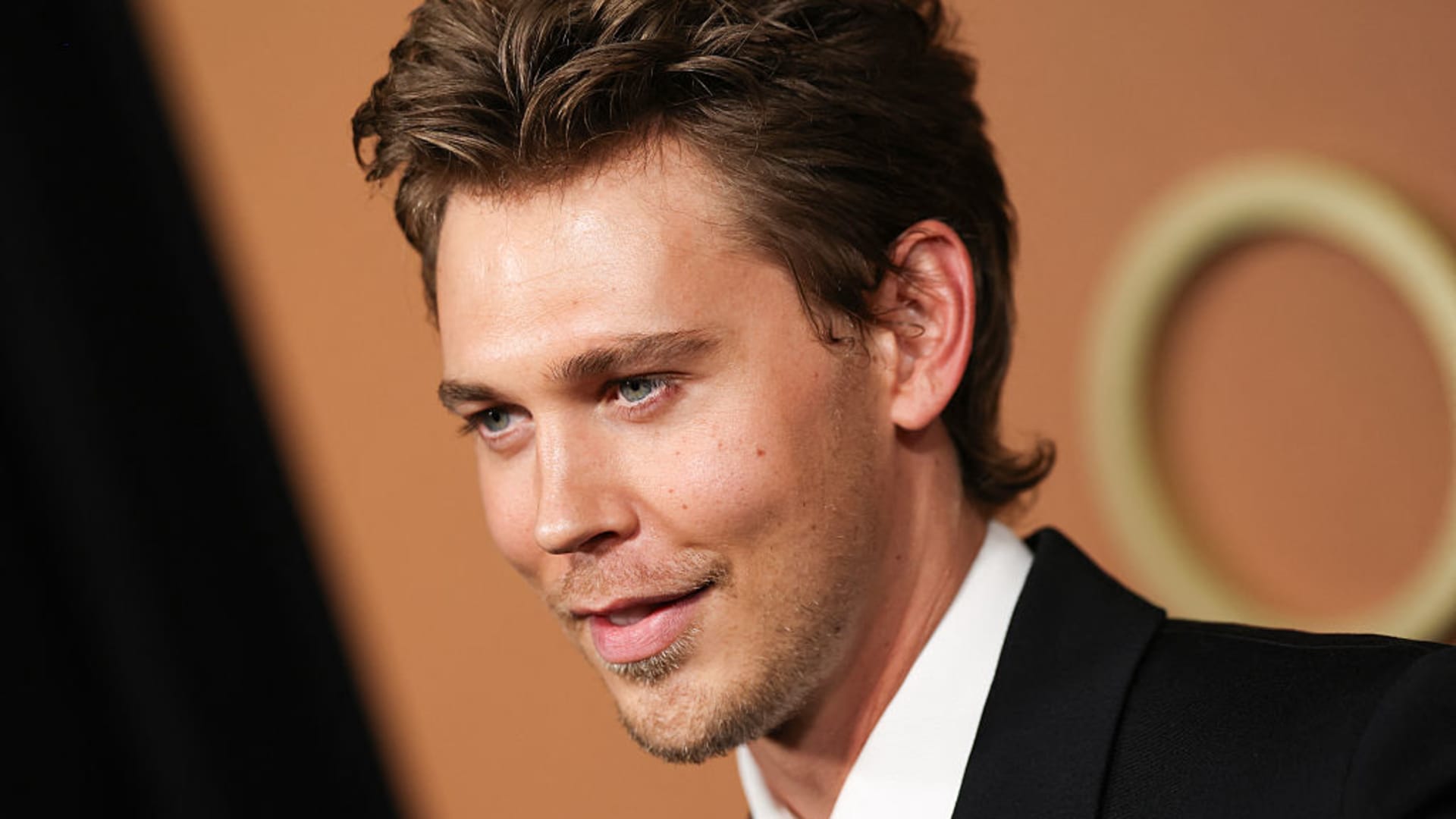

Actor Austin Butler attended the 16th Governors Awards at the Ray Dolby Ballroom in Ovation Hollywood, Los Angeles, on November 16, 2025. As the nation grapples with an affordability crisis, financial stability has taken center stage in men’s fashion. Whether it’s the introduction of the trendy quarter-zip sweater or the now-admired “401(k) mullet” hairstyle, young men are adopting styles that project a sense of monetary responsibility.
Thomaï Serdari, a marketing professor and director of the fashion and luxury program at NYU’s Stern School of Business, noted, “Men not only found a voice but are finding their place through these trends.” Historically, clothing and grooming choices have served as economic indicators. For instance, former Federal Reserve Chairman Alan Greenspan once suggested that men’s underwear purchasing patterns reflected consumer confidence in making discretionary purchases.
Recent trends illustrate shifting consumer sentiments towards the U.S. economy and job market. The “401(k) mullet,” a modern twist on traditional hairstyles, symbolizes a growing appreciation for retirement savings plans. A NerdWallet survey revealed that 15% of adults would be reluctant to date someone without a retirement account. This shift is seen as a reflection of societal maturity, according to Serdari, who explained, “We are moving away from the tech entrepreneur who drops out of college. People are slowly returning to a more put-together version of themselves.”
Social media is embracing these trends; for instance, rapper T-Pain’s Instagram post featuring the phrase “401k and a quarter zip” received over 122,000 likes. In addition, Jason Gyamfi’s TikTok video promoting the “quarter-zip movement” has garnered over 31 million views, inspiring countless young professionals to reinvent their image. Gyamfi described this style rebranding as a message of growth and confidence.
With job prospects diminishing, particularly due to the rise of artificial intelligence, many young individuals feel their chances at achieving economic stability are waning. Serdari emphasized that the traditional pathway to career success involving a secure job and retirement benefits is becoming less certain. She noted that what was once seen as mundane, like 401(k)s, has now become desirable as financial security eludes the younger generation.
Quiet luxury, a trend that has surged since the economic disparities exposed during the COVID-19 pandemic, continues to shape consumer behavior. The K-shaped recovery left many wealthier individuals better off, as they benefited from stock market growth while everyday Americans struggled. This divide has fueled a yearning for belonging and economic opportunity among those feeling left behind.
In the realm of savings, recent data shows a positive shift among younger workers. According to Kirsten Hunter Peterson, vice president of workplace thought leadership at Fidelity Investments, retirement account balances have reached all-time highs, with the average 401(k) balance climbing to $144,400 by late last year. Contrary to the stereotype that younger generations neglect savings, Peterson highlighted that Gen Z is actually saving at higher rates than previous generations.
Young individuals are more likely to share and receive financial advice through social media, which is an effective vehicle for promoting retirement savings. However, Peterson cautioned that personalized advice from qualified financial advisors remains essential, advising younger investors to seek guidance from trusted sources rather than relying solely on “finfluencers.”
Overall, as financial realities reshape consumer preferences, young men are not just changing their wardrobes; they are redefining their approach to financial responsibility, embodying a broader cultural shift in how both style and monetary success are perceived.
Original Source: https://www.cnbc.com/2026/02/07/401k-mullet-quarter-zip-economy.html
Category :
Tags:
Publish Date: 2026-02-07 20:00:00