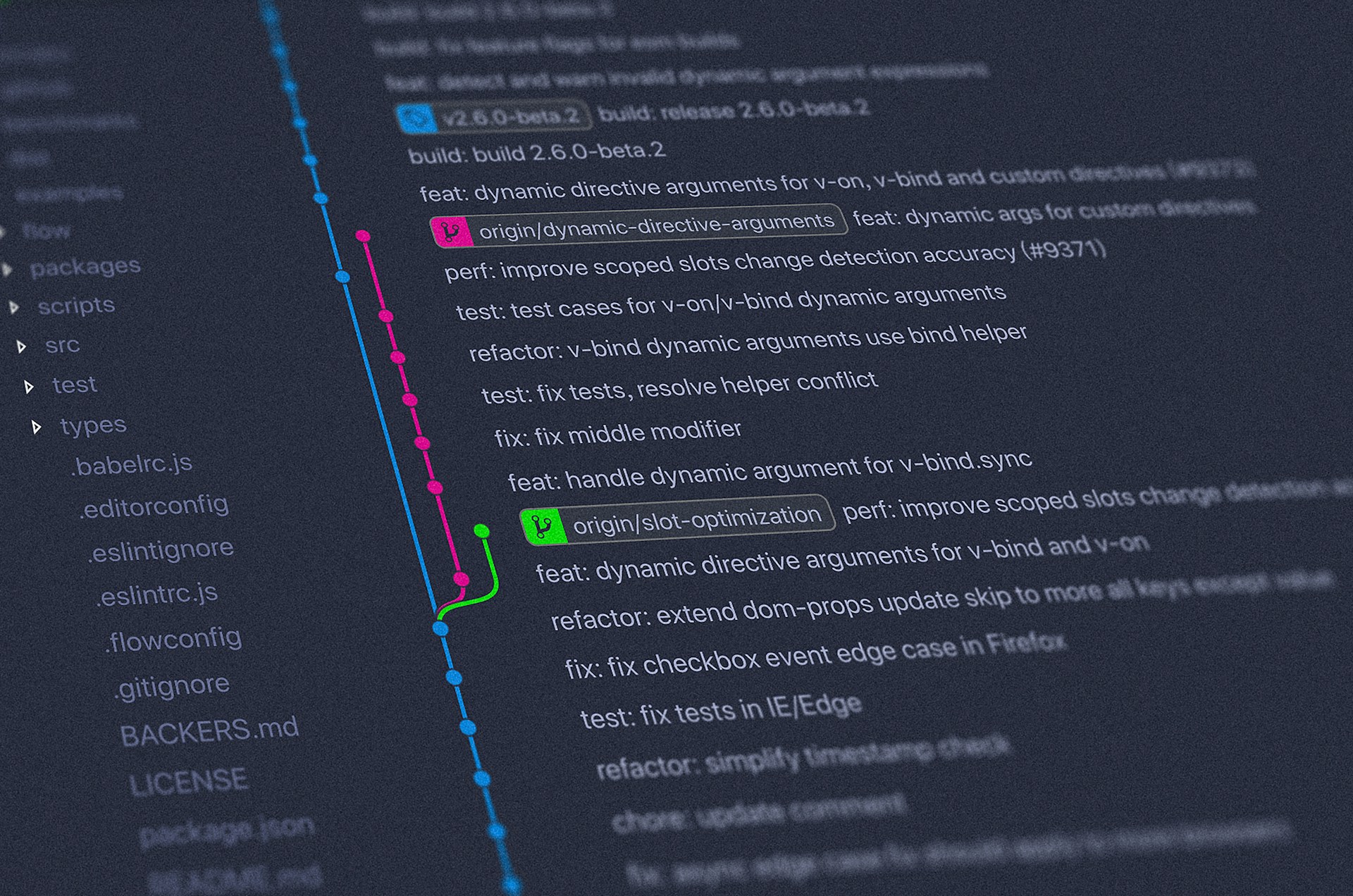
Unlocking the Blueprint: How Cursor Strategically Indexes Your Codebase

Embracing Retrieval-Augmented Generation: A New Era for Coding Agents
In today’s rapidly evolving tech landscape, we often underestimate the depth of understanding required for coding assistants to generate meaningful suggestions. It’s not just about providing instant code snippets; it’s about fostering an intelligent partnership with developers through advanced contextual awareness. Nowhere is this more evident than in tools leveraging retrieval-augmented generation (RAG), such as Cursor.
The development process outlined in Cursor’s framework emphasizes a sophisticated approach to building an understanding of a codebase. The process starts with chunking, whereby code is broken down into semantically meaningful units. This allows the tool to go beyond superficial keyword matching to truly understand the nuances of the code. This development strategy prioritizes not just efficiency, but also enhances the quality of suggestions generated by AI.
The Landscape of Modern Coding Tools
The evolution highlighted by Cursor isn’t isolated; it signifies a paradigm shift in coding environments. Coding agents are no longer mere automations but rather intelligent partners aimed at augmenting developer capabilities. The seamless indexing of code, continuous updates, and semantic search capabilities demonstrate how these systems evolve with the code itself, ensuring that they remain relevant and useful.
Furthermore, this capability is complemented by effective data privacy measures. The obfuscation of sensitive information like file paths speaks volumes about the growing importance of data security in coding tools. Companies must be vigilant about protecting their information, especially as dependence on such tools increases.
Strategic Implications for Enterprises
What does this mean for enterprises navigating their digital transformation journeys? As a leader in technology strategy, I see several critical dimensions:
-
Scalability vs. Stability: The introduction of advanced coding agents demands a careful assessment of infrastructure to support these intelligent systems. While the efficiencies gained can drive rapid scaling, the architecture must remain stable and secure.
-
Build vs. Buy Decisions: Companies must assess whether to integrate these new tools in-house or choose third-party solutions. This decision will hinge on the specific needs of their codebases and the unique interactions required.
-
Cultural Transition: The shift towards utilizing AI-driven tools requires cultural adaptation within development teams. Facilitating an environment of collaboration between human developers and AI agents could enhance productivity and innovation.
Lessons for the Future
As organizations prepare for the future, they should take note of these dynamics that are reshaping the technical landscape:
-
Emphasize training programs that familiarize teams with AI-driven development environments.
-
Develop strategic partnerships with vendors specializing in advanced coding aids, ensuring the right tools are in place for success.
-
Prioritize data governance strategies that protect the sensitive information within codebases as AI deployments expand.
Closing Thought
The integration of retrieval-augmented generation in coding environments signifies more than just technological evolution; it’s a new chapter in the partnership between human creativity and artificial intelligence. Embracing this change can propel businesses toward unprecedented efficiencies and innovation.
About the Author
Sanjeev Sarma is the Founder Director of Webx Technologies Private Limited, a leading Technology Consulting firm with over two decades of experience. A seasoned technology strategist and Chief Software Architect, he specializes in Enterprise Software Architecture, Cloud-Native Applications, AI-Driven Platforms, and Mobile-First Solutions. Recognized as a “Technology Hero” by Microsoft for his pioneering work in e-Governance, Sanjeev actively advises state and central technology committees, including the Advisory Board for Software Technology Parks of India (STPI) across multiple Northeast Indian states. He is also the Managing Editor for Mahabahu.com, an international journal. Passionate about fostering innovation, he actively mentors aspiring entrepreneurs and leads transformative digital solutions for enterprises and government sectors from his base in Northeast India.