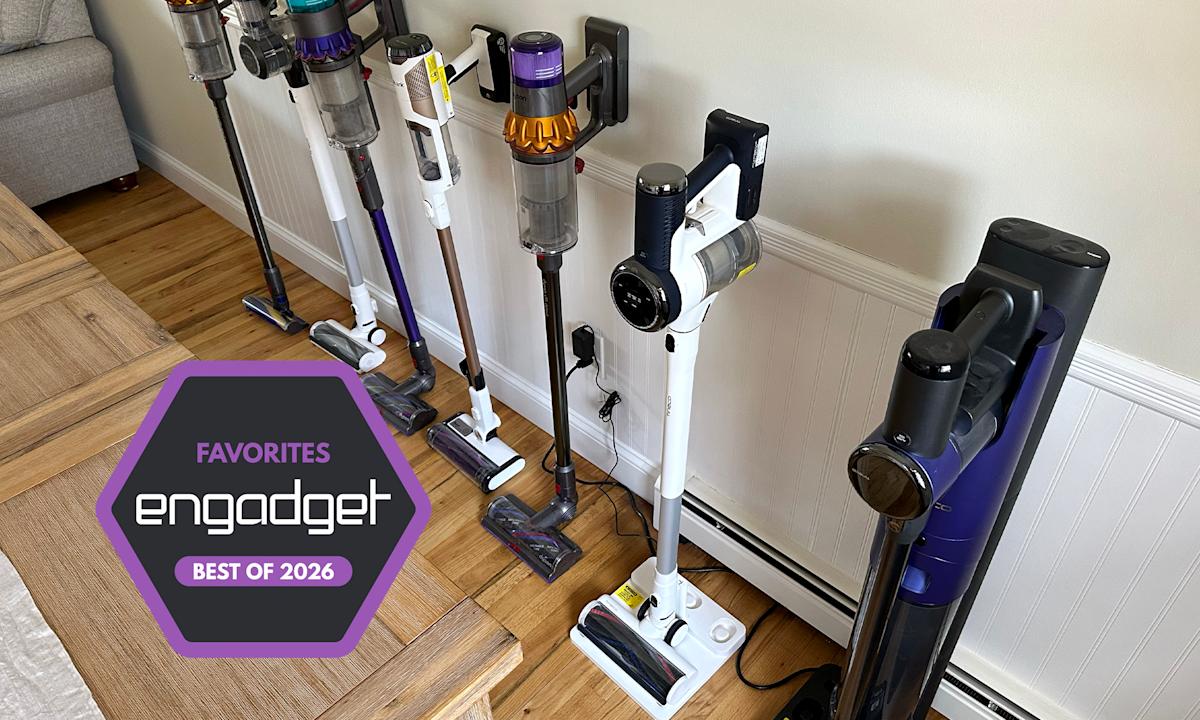

The Future of Cordless Vacuums: A Strategic Review for Today’s Consumers
As we navigate the landscape of home cleaning, it’s fascinating how technological advancements are reshaping our daily tasks. The rise of cordless vacuums is more than a mere trend; it’s a revolution in convenience, maneuverability, and cleaning efficiency. In dissecting the recent analysis from Engadget, we can glean insights that extend far beyond household management, offering implications for broader technological trends and consumer behavior.
Context of Change
The shift from traditional upright vacuums to cordless models reflects a significant transformation in consumer expectations. Consumers now prioritize usability, with lightweight designs and superior suction capabilities becoming standard. Leading brands like Dyson have set the benchmark, but a plethora of options now saturate the market, each promising unique features that cater to specific needs. The push for enhanced functionality, such as self-emptying bases and adaptive suction modes, illustrates a broader desire for smart, user-friendly solutions.
Strategic Implications
This transition to innovative cleaning solutions holds strategic relevance that extends into enterprise architecture and consumer technology. From an Enterprise Architecture perspective, companies will need to prioritize agility and adaptability to remain competitive. The cordless vacuum market’s rapid evolution offers crucial lessons, particularly in how consumer demands can shift almost overnight. Technologies that were once classified as luxury have quickly become the norm, underscoring the importance of scalability and responsiveness in product development.
Moreover, the trade-offs between power and portability echo the challenges faced in many other sectors. For leaders in technology and manufacturing, these choices between maintaining robust performance while enhancing user convenience can dictate market leadership. Investing in R&D to understand consumer preferences will ultimately shape product trajectories and brand loyalty.
Market Adaptation and Consumer Education
The emergence of diverse features across various price points also calls for an educational push for consumers. Amid the surging options, decision fatigue is a valid concern. Companies must consider how to streamline product offerings while providing clear value differentiation. A transparent approach focused on empowering consumers with comprehensive information will foster trust and long-term relationships.
Takeaways for Entrepreneurs and Product Architects
- Adaptability: Organizations need to embrace rapid product evolution based on consumer feedback, emphasizing iterative design processes.
- Consumer Engagement: Developing strategies to inform and educate consumers about product functionalities can alleviate decision fatigue and enhance satisfaction.
- Feature Integration: The focus on integrating user-friendly, innovative features can drive market penetration and consumer loyalty.
In markets like Northeast India, the implications of these trends are particularly profound. As urbanization accelerates, accessibility to effective cleaning solutions can enhance living standards and contribute to a healthier environment. The principles observed in the cordless vacuum evolution suggest a roadmap for addressing consumer challenges and technological accessibility across diverse geographies.
The future of consumer electronics is not solely about the devices we create but also about addressing human needs and aspirations. For industry leaders, understanding this dynamic is essential as they strive to create products that resonate deeply with consumers, ensuring sustainable growth in an ever-evolving market.
About the Author
Sanjeev Sarma is the Founder Director of Webx Technologies Private Limited, a leading Technology Consulting firm with over two decades of experience. A seasoned technology strategist and Chief Software Architect, he specializes in Enterprise Software Architecture, Cloud-Native Applications, AI-Driven Platforms, and Mobile-First Solutions. Recognized as a “Technology Hero” by Microsoft for his pioneering work in e-Governance, Sanjeev actively advises state and central technology committees, including the Advisory Board for Software Technology Parks of India (STPI) across multiple Northeast Indian states. He is also the Managing Editor for Mahabahu.com, an international journal. Passionate about fostering innovation, he actively mentors aspiring entrepreneurs and leads transformative digital solutions for enterprises and government sectors from his base in Northeast India.