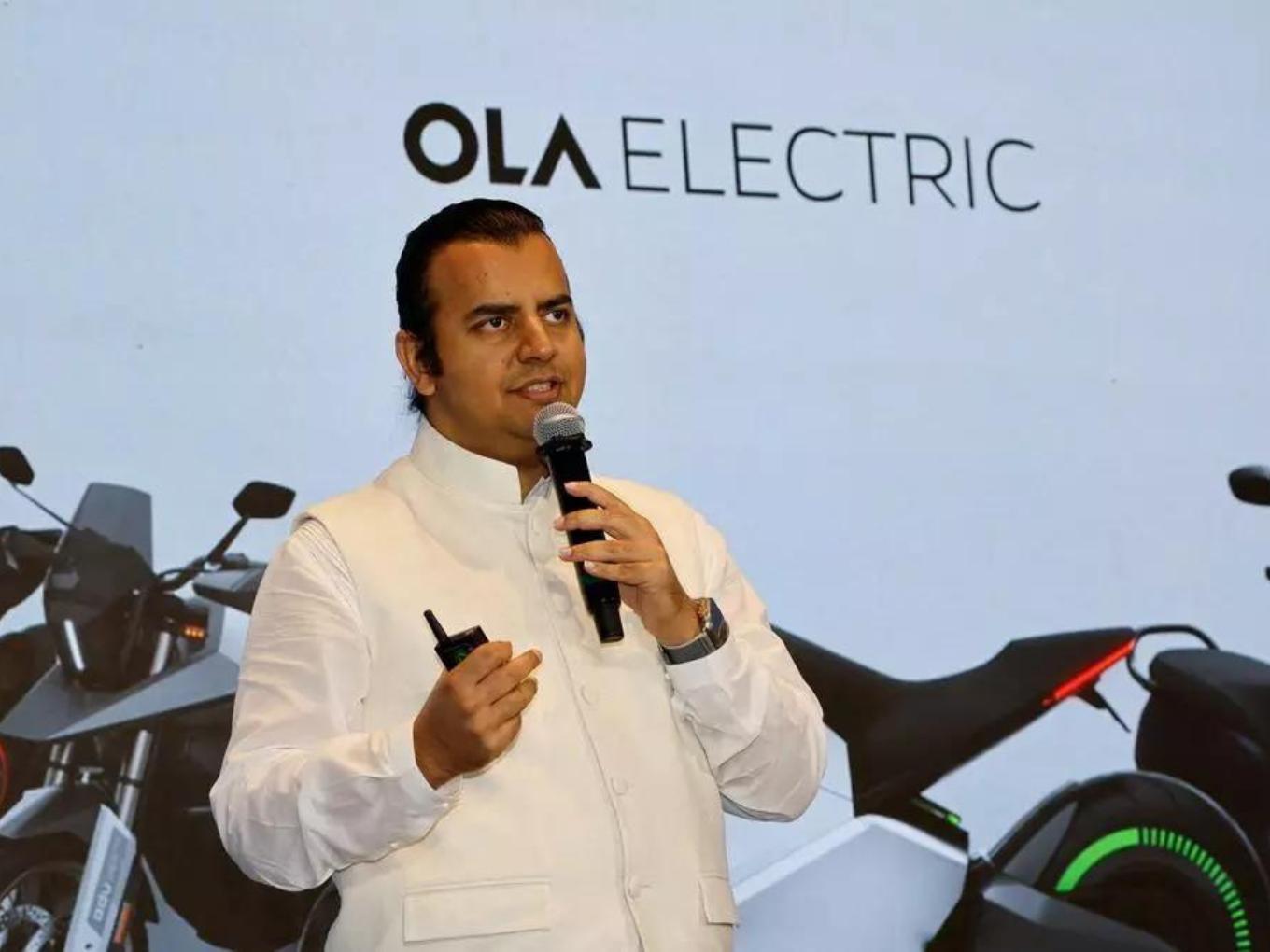

Headline: Navigating Stormy Waters: Lessons from Ola Electric’s Journey
I used to believe that a strong brand could weather any storm. Yet the recent turmoil at Ola Electric has shattered that notion, revealing the fragility underlying even the most promising ventures in the electric vehicle (EV) sector. As I stare out over the lush tea gardens of Jorhat, I’m reminded that success is often a reflection of resilience, adaptability, and a well-defined strategy-not simply the strength of a brand.
Ola Electric, once the belle of the EV ball, has been grappling with significant setbacks this year. Bhavish Aggarwal’s recent decision to divest a portion of his stake is not just a financial maneuver; it’s a reflective moment for a company that has found itself cornered by regulatory scrutiny and operational hiccups. Holding onto a commendable 30% stake prior to the sale, Aggarwal’s new position now mirrors the struggles of many founders: the delicate balance between personal investment and the pressing need to ensure the company’s survival.
In the wake of over 10,000 consumer complaints and dwindling market share, Ola Electric has had to confront the reality of its operations. Despite aspirations to be at the forefront of the EV revolution, its market share in the electric two-wheeler segment has plummeted to a mere 7%. This steep decline is a cautionary tale that the momentum of technology can be outpaced by execution failures on the ground. The company’s delivery delays and a sluggish service network tell us a fundamental truth; great ideas require flawless execution.
Yet, amid these challenges, there’s a glimmer of hope as Aggarwal pivots towards residential energy storage-a move that reflects agile thinking and the appetite for innovation. This shift not only diversifies Ola Electric’s portfolio but also positions it in a burgeoning sector that responds to the global demand for sustainable energy solutions. Just as weavers in Sualkuchi have adapted to modern styles while preserving traditional techniques, Ola Electric seems to acknowledge the necessity of evolution amid turbulent times.
The mismanagement of expectations has been another crucial chapter in this narrative. The reduction in projected deliveries and revenue forecasts serves as a reminder that projections must align with operational realities. Here in Guwahati, where startups are beginning to bloom, we often see entrepreneurs overstate potential without the requisite groundwork to back it up. The lesson? Clarity, honesty, and adaptability must be woven into the fabric of business strategy. When customers sense credibility erosion, as evidenced by Ola’s troubles, they tend to vote with their feet.
Through it all, Aggarwal’s calculated stake sale to clear outstanding loans further emphasizes a profound truth: no founder’s journey is without its pitfalls. By liquidating a small part of his equity to wipe out 3.93% of previously pledged shares, he has not only alleviated immediate financial pressure but also demonstrated a commitment to long-term strategy over short-term gains. This level of financial discipline can become a model for numerous entrepreneurs navigating their challenges in regions like Majuli, where financial acumen is just as essential as innovation.
Ola Electric’s ongoing journey is both a microcosm of broader industry trends and a lesson in human psychology. Businesses must adapt amid external pressures-just as individuals learn to reshape their narratives when met with unexpected challenges. The stakes are high, and the choices made today will echo into the future.
As we absorb the lessons from Ola’s story, it’s paramount to reflect on our core values diligently. In the face of adversity, true leaders emerge not just through financial success but through their ability to adapt, pivot, and maintain a clear line of sight toward sustainable growth and innovation. This resilience is the lifeblood of any enduring venture, and it is a narrative worth echoing across every startup ecosystem, especially one as dynamic as Northeast India.
Takeaways:
- Stakeholder transparency and realistic projections are vital for maintaining consumer trust and combatting market volatility.
- Flexibility in strategy, as seen in Olu Electric’s pivot to residential battery storage, can open new avenues for growth amid challenges.
- Financial discipline, focusing on clearing debts and managing pledges, is essential for long-term viability.
The journey of Ola Electric reminds us that true innovation is not merely a product of technology but a continual re-evaluation of strategy, execution, and community engagement.
About the Author
Sanjeev Sarma is the Founder Director of Webx Technologies Private Limited, a leading Technology Consulting firm with over two decades of experience. A seasoned technology strategist and Chief Software Architect, he specializes in Enterprise Software Architecture, Cloud-Native Applications, AI-Driven Platforms, and Mobile-First Solutions. Recognized as a “Technology Hero” by Microsoft for his pioneering work in e-Governance, Sanjeev actively advises state and central technology committees, including the Advisory Board for Software Technology Parks of India (STPI) across multiple Northeast Indian states. He is also the Managing Editor for Mahabahu.com, an international journal. Passionate about fostering innovation, he actively mentors aspiring entrepreneurs and leads transformative digital solutions for enterprises and government sectors from his base in Northeast India.