Transforming Connections: How AI Chatbots are Revolutionizing Relationships and Shaping 2025’s Word of the Year

Cambridge Dictionary has named “parasocial” its Word of the Year for 2025, reflecting a growing trend in how people engage with online personalities. The term designates the one-sided emotional connections individuals can form with figures such as celebrities, influencers, and even artificial intelligence-a concept that has deep roots in sociology. Professor Simone Schnall from the University of Cambridge explained, “A parasocial relationship occurs when we feel a close bond with someone we’ve never actually met, like a public figure or a social media star.”
The term “parasocial” was first coined in 1956 by sociologists Donald Horton and Richard Wohl, who noticed that television viewers often treated actors as if they were part of their personal lives. While the phenomenon has always existed, Schnall notes that its prevalence in modern culture has surged. With the rise of social media platforms, audiences now have unprecedented access to the lives of various personalities. For instance, Taylor Swift’s global fanbase feels a deep, emotional connection to her music and personal experiences, showcasing the intensity of such relationships. Social media influencers like Logan Paul highlight the complexities as well; despite controversies, such as his 2018 video from Japan’s Aokigahara suicide forest, his loyal followers demonstrate how deep these attachments can be.
However, Schnall warns of the potential dangers in these relationships. Following celebrities and influencers who may offer misleading information or promote harmful behaviors poses risks. “They could do serious harm to their followers,” she cautioned, emphasizing the repercussions of trusting figures who may not prioritize ethical standards or accurate information.
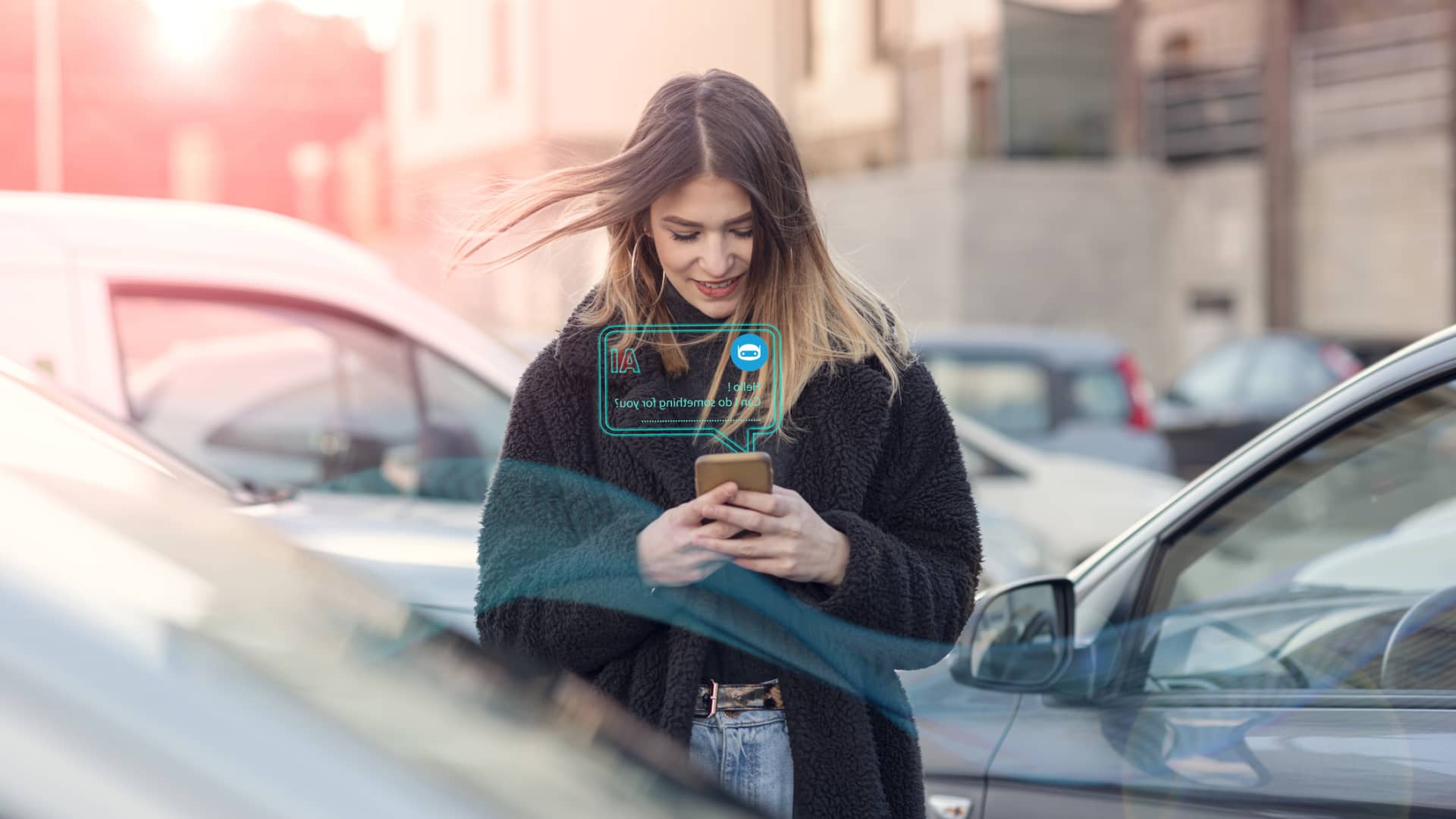
The rise of AI chatbots has further contributed to the popularity of parasocial relationships. A report by Common Sense Media revealed that 72% of teens aged 13 to 17 in the U.S. have interacted with AI companions for emotional support or friendship. Schnall highlighted that people often develop deep feelings towards these chatbots, believing they are engaging in meaningful relationships when, in fact, no real human interaction is taking place. This extends beyond teenagers; a survey by Vantage Point Counseling noted that 28% of American adults have reported intimate relationships with AI.
The need for these connections can be partly attributed to a global loneliness epidemic and increased screen time. In today’s digital landscape, forming parasocial relationships is just a click away, offering immediate social validation. Schnall observes that our reliance on online interactions over in-person relationships can exacerbate feelings of loneliness, as each moment spent engaging with a chatbot reduces time spent with real people.
To counteract this trend, Schnall advocates for investing in genuine, face-to-face relationships. “The more time I spend chatting with a chatbot, the less time I probably spend chatting with a real-life person,” she remarked. The challenge lies in balancing online engagement with meaningful connections in the physical world. As we continue navigating our increasingly digital lives, recognizing the nuances of parasocial relationships can lead to healthier interactions online and off.
By understanding the implications of our connections with online personalities, we can better navigate the complexities of modern relationships in this hyper-connected age.
Original Source: https://www.cnbc.com/2025/11/22/ai-chatbot-relationships-influences-2025s-word-of-the-year-.html
Category :
Tags:
Publish Date: 2025-11-22 12:46:00