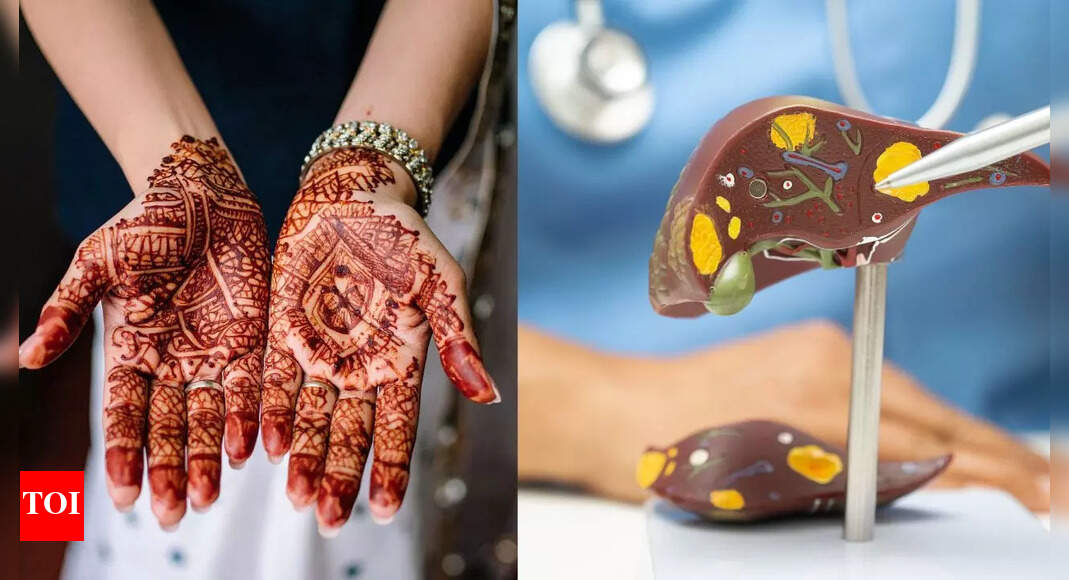
Unleash the Healing Power of Henna: Japanese Scientists Discover Natural Remedy to Reverse Liver Damage and Restore Health!

For centuries, natural henna has been valued as a cosmetic dye for skin, hair, and fabrics. Recent research from Osaka Metropolitan University in Japan, however, has unveiled henna’s potential healing properties, particularly in treating liver fibrosis. This serious condition, characterized by the accumulation of scar tissue in the liver, often results from alcohol abuse or fatty liver disease and can advance to liver failure or cancer if left unaddressed. The study offers promising avenues for a plant-based therapy that could halt or even reverse liver damage, bringing hope to millions afflicted by chronic liver diseases globally.
Liver fibrosis stems from prolonged injury or inflammation of the liver. When the organ suffers damage-whether from excessive alcohol consumption, fatty liver disease, or viral infections like hepatitis-it attempts to heal itself. However, this healing process can lead to an overproduction of fibrous tissue, gradually replacing healthy liver cells. Over time, fibrosis diminishes the liver’s functionality and, if untreated, can escalate to cirrhosis, liver failure, or cancer. Approximately 3-4% of people worldwide are believed to suffer from advanced liver fibrosis, yet existing treatments primarily focus on managing underlying causes rather than reversing scar tissue production. This makes the findings from Osaka particularly momentous.
The Osaka research team developed an innovative chemical screening method to identify substances targeting hepatic stellate cells (HSCs)—the specialized liver cells that play a crucial role in maintaining liver structure. Under normal circumstances, HSCs assist in tissue repair and vitamin A storage, but chronic injury can overactivate them, resulting in excessive collagen production and fibrosis. The study found that Lawsone, the primary pigment in henna, can inhibit HSC activation, presenting a potential means to disrupt the process of fibrosis at its source.
In laboratory trials, researchers administered Lawsone to mice with induced liver fibrosis, yielding striking results. The treated mice exhibited a significant decrease in key fibrosis indicators such as YAP, αSMA, and COL1A, proteins associated with the severity of liver scarring. Additionally, the mice showed increased levels of cytoglobin, a protein linked to antioxidant activity in HSCs, indicating a return to a healthier, non-activated state. These findings, published in Biomedicine & Pharmacotherapy, point to the possibility of reversing liver fibrosis-something modern medicine has struggled to achieve effectively.
Dr. Atsuko Daikoku from Osaka Metropolitan University highlighted the next phase of this research: creating a drug delivery system to transport Lawsone directly to activated HSCs. “We are currently working on a system capable of delivering these drugs precisely to the affected cells,” she explained. “If successful, this could lead to the first treatment that not only halts fibrosis but also repairs the liver, giving patients a chance at complete recovery.”
Understanding the causes of liver fibrosis is essential, as it is a response to ongoing liver injury. Key contributors include non-alcoholic fatty liver disease, alcoholic liver disease, viral hepatitis (B and C), autoimmune conditions, and biliary obstruction. These conditions often result in an overproduction of scar tissue, impairing liver efficiency over time.
Recognizing the symptoms of liver fibrosis can be challenging, as it often develops without noticeable signs until its later stages. Symptoms such as persistent fatigue, loss of appetite, jaundice, and fluid accumulation in the legs or abdomen may become evident as liver damage increases. By this time, effective treatment may be crucial for restoring liver function.
If further studies validate the effectiveness of Lawsone, this could herald a new era in the treatment of liver diseases. Unlike current therapies that only manage symptoms or underlying causes, Lawsone-based drugs could actively reverse damage, facilitating liver regeneration. This research not only illuminates the therapeutic potential of traditional remedies but also emphasizes the importance of modern scientific inquiry in discovering new treatments for chronic conditions, offering hope to millions worldwide battling liver disease.
Original Source: https://timesofindia.indiatimes.com/life-style/health-fitness/health-news/henna-can-reverse-liver-damage-japanese-scientists-reveal-how-a-natural-plant-dye-may-help-reverse-fibrosis-and-repair-the-liver/articleshow/124942540.cms
Category :
Tags:
Publish Date: 2025-10-30 15:00:00