
Portraits of Iranian military generals and nuclear scientists killed in Israel’s June 13 attack line a road in Tehran, as heavy smoke billows from an oil refinery struck by an overnight Israeli strike on June 15, 2025. The situation escalated significantly when President Donald Trump announced on Saturday that the United States had launched an attack on Iran, targeting three critical nuclear sites in Fordo, Natanz, and Esfahan. In a social media post, Trump stated, “We have completed our very successful attack on the three Nuclear sites in Iran, including Fordow, Natanz, and Esfahan. All planes are now outside of Iran air space. A full payload of BOMBS was dropped on the primary site, Fordow.”
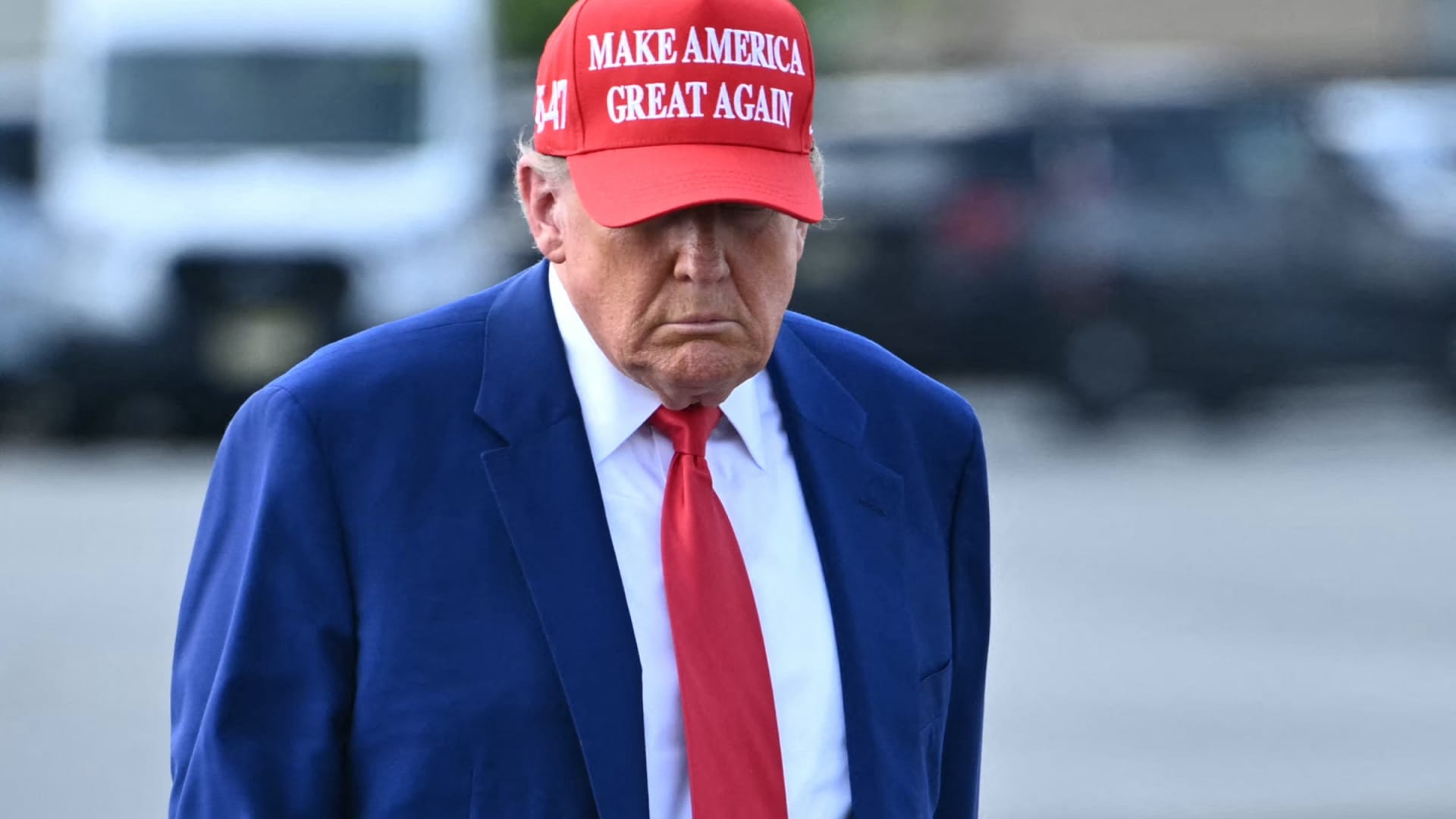
Trump expressed pride in the operation, declaring, “Congratulations to our great American Warriors. There is not another military in the world that could have done this. NOW IS THE TIME FOR PEACE!” He indicated plans to address the nation at 10 p.m. ET that same day. Earlier, several U.S. Air Force B-2 stealth bombers had departed from Missouri en route to the Pacific, equipped with the GBU-57 Massive Ordnance Penetrator (MOP), a powerful 30,000-pound bomb designed for deep strikes.
This military action has thrust the United States into direct armed conflict with Iran, significantly escalating its involvement in Israel’s campaign to undermine Tehran’s nuclear ambitions and destabilize its regime. This move came as a surprise, particularly given that just 48 hours prior, Trump had suggested a two-week window to explore diplomatic solutions to the ongoing conflict between Israel and Iran.
Behind the scenes, the Trump administration had been actively seeking a diplomatic deal with Iran regarding its nuclear program. Recently, Trump had urged Israeli Prime Minister Benjamin Netanyahu to refrain from launching strikes against Iranian targets, emphasizing negotiation over military action. However, the U.S. strikes have seemingly closed that path, eliciting stern reactions from Iranian leadership. Ayatollah Ali Khamenei warned that “any American military entry will undoubtedly be met with irreparable damage,” indicating that military incursions would result in severe repercussions.
In the aftermath of the strikes, assumptions about Iranian retaliation remain uncertain. One possibility includes laying landmines in the strategic Strait of Hormuz, a crucial maritime corridor through which approximately 20% of the world’s oil is transported, posing significant risks to global economic stability. Helima Croft, head of global commodity strategy at RBC Capital Markets, noted that Iran appears to be aggressively jamming ship transponders in the area. Warnings from QatarEnergy and Greece’s Shipping Ministry have urged vessels to stay clear of the strait amidst rising tensions.
Historical context reveals that Trump and previous U.S. administrations have unwaveringly opposed Iran obtaining nuclear weapons. Trump famously withdrew from the 2015 nuclear agreement brokered by the Obama administration, claiming it inadequately addressed risks to American security and failed to curb Tehran’s nuclear ambitions. While Israel has expressed persistent concerns regarding Iran’s nuclear capabilities, their military engagements have traditionally involved targeted assassinations and cyber operations, rather than open warfare.
Interestingly, Tulsi Gabbard, who served as Trump’s director of national intelligence, stated before Congress in March that the U.S. intelligence community believes Iran is not actively pursuing a nuclear weapon. However, Trump has dismissed this assessment, stating, “I don’t care what she said. I think they were very close to having one.” As events continue to unfold, this story remains dynamic, with further developments anticipated in the days to come.
Original Source: https://www.cnbc.com/2025/06/21/trump-israel-iran-conflict.html
Category :
Tags:
Publish Date: 2025-06-22 06:58:00