Life-Saving Breakthrough: WHO Advocates RSV Vaccines to Shield Infants from Deadly Respiratory Infections

The World Health Organization (WHO) has released its first-ever position paper focusing on immunization products for infants, underscoring the urgent need to combat respiratory syncytial virus (RSV). The paper advocates for the use of maternal RSV vaccines and long-acting RSV monoclonal antibodies (mAbs) to protect infants from severe disease caused by this common but potentially serious virus.
Respiratory syncytial virus is a viral infection that affects the respiratory system, leading to symptoms similar to those of the common cold, such as a runny nose, cough, and fever. Although RSV can infect individuals of all ages, it poses the gravest threat to the youngest, especially infants. According to the Cleveland Clinic, the virus accounts for approximately 100,000 deaths and over 3.6 million hospitalizations annually among children under five years old, with half of these fatalities occurring in infants younger than six months, as highlighted by WHO.
The newly released position paper outlines two key immunization strategies. The first is the RSVpreF vaccine, recommended for pregnant women in their third trimester. This vaccination aims to enhance antibody transfer to infants, thereby providing them protection from RSV. WHO advises that expectant mothers should receive the vaccine starting from 28 weeks of pregnancy to optimize this antibody transfer.
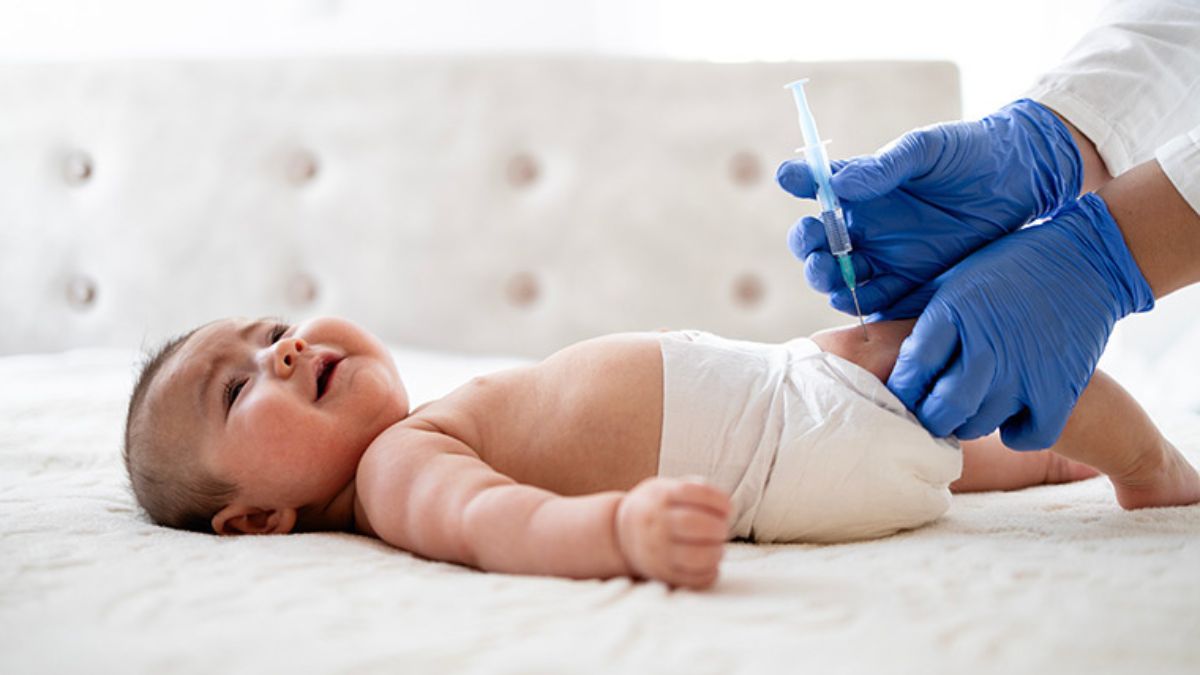
The second product recommended is nirsevimab, a long-acting monoclonal antibody that can be given to infants shortly after birth. This single injection starts providing protection against RSV within one week and offers immunity for at least five months. WHO recommends administering nirsevimab right after birth or prior to discharge from a birthing facility. If this is not feasible, it can be administered during the infant’s first health visit.
The potential implications of these recommendations are significant, especially given the severe complications associated with RSV, which can lead to pneumonia or bronchiolitis in vulnerable populations, including infants, young children, and older adults with compromised immune systems. The arrival of effective immunization products could drastically reduce the incidence of severe illness and hospitalization among infants, transforming the landscape of pediatric healthcare.
As countries prepare to implement these recommendations, the focus on maternal and infant health becomes increasingly crucial. The WHO’s guidance serves as a vital tool in the global fight against RSV, aiming to protect one of the most vulnerable demographics in our society-newborns. Ensuring adequate immunization against RSV not only promises to save lives but also lightens the burden on healthcare systems worldwide.
In conclusion, as the world grapples with various health challenges, the WHO’s position on maternal RSV vaccines and mAbs marks a significant step forward in protecting infants from a potentially life-threatening virus. The emphasis on timely vaccination for pregnant women and the introduction of monoclonal antibodies offers hope for a decline in RSV-related morbidity and mortality rates, paving the way for healthier generations to come.
Original Source: https://www.theweek.in/news/health/2025/06/03/who-recommends-the-use-of-rsv-vaccines-to-protect-infants-from-respiratory-infections.html
Category :
Tags:
Publish Date: 2025-06-03 15:28:00