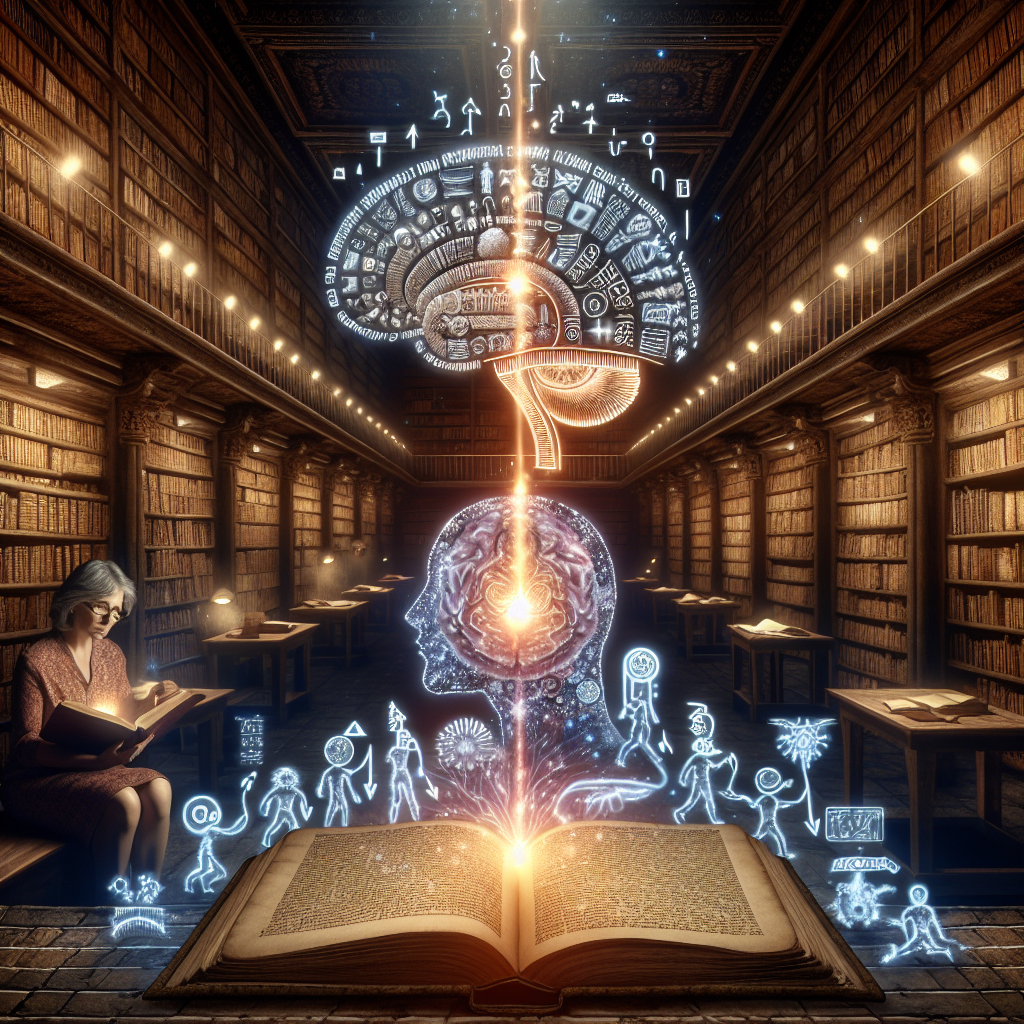

Ever caught yourself marveling at the sheer creativity embedded in the everyday words we use? Take a moment to appreciate how we humans weave language like we knit a warm shawl: looping together strands of tradition, innovation, and personal identity. It’s fascinating how each generation reshapes and expands the lexicon, a rhythmic dance between language development and evolution that shapes the way we perceive the world.
Language isn’t static; it’s a living, breathing entity that evolves with us. Historically, our ancestors communicated basic needs through grunts and gestures, but as society progressed, so did our need for nuanced expression. Have you ever considered how the emergence of new technologies has influenced this evolution? Let’s look at Twitter. When it burst onto the scene, it didn’t just give us a format for mini updates; it revolutionized the way we condense our thoughts into bite-sized creativity. Words like "tweet" and "hashtag" crept into our daily vocabulary, formerly mere symbols turning into essential components of communication.
So how does this play out beyond just the coolness of slang? Our brains are hardwired to innovate language. According to research from cognitive linguists, when we encounter new situations, like a self-driving car zipping down the street, we instinctively pull from our existing lexicon and blend or modify terms. This isn’t merely accidental; it’s a conscious choice reflecting our cultural framing. The term "autonomous vehicle," for example, didn’t just appear out of nowhere. It evolved from deep historical precedents of human ingenuity and the need for linguistic precision in the context of emerging technologies.
Consider the real-world example of the word “ghosting.” Originally a dating term, it evolved into a broader statement on social relationships in the digital age, where people can vanish without a trace, much like a spirit. This didn’t happen in isolation; social media fantasies fueled dialogue around relationships, leading to a surge in creative metaphors that reflected deeper implications about emotional connectivity in the tech-driven world.
But let’s be real—this lexical creativity isn’t without its challenges. Sometimes the rapid evolution of language can leave certain demographics behind, causing generational gaps in understanding. Boomers might scratch their heads at phrases like "FOMO" (fear of missing out), while Gen Z navigates life with its own language that feels more like a code than a conversation. This disconnect can create barriers and miscommunications, reminding us that language is not just a tool, it’s a bridge. Building that bridge is vital.
Now, what can we take away from recognizing this imaginative capacity of our lexicon? First, it invites us to embrace the fluidity of language. Instead of fearing new terms or changes, see them as windows into the zeitgeist, reflecting societal shifts, anxieties, and aspirations. Second, consider your role in this narrative; each word we choose or create contributes to the collective tapestry of human experience. By thoughtfully engaging with language, we foster a rich environment where creativity can flourish. Encourage playfulness with language—be reckless in your expression, invent terms, and watch how they resonate with others.
Language has the power to shape reality just as much as it reflects it. Each time we speak or write, we stand at the helm of an evolving narrative, capable of influencing how others perceive their world. We are wordsmiths, sculptors of thoughts, unpacking a universe through the limitless potential of language. So, next time you think of a new term or catch yourself cracking an inside joke, realize you’re not just communicating—you’re joining an age-old tradition of linguistic evolution.
Let’s lean into this journey together, cultivating a shared narrative that not only celebrates the past but pushes into the future.
Author Profile:
Sanjeev Sarma is the Director of Software Services and Chief Software Architect at Webx Technologies Private Limited. With a blend of enthusiasm for technology and a keen insight into its societal impact, Sanjeev explores the crossroads of language, innovation, and everyday life, offering a unique Northeast Indian perspective that speaks to our shared humanity.