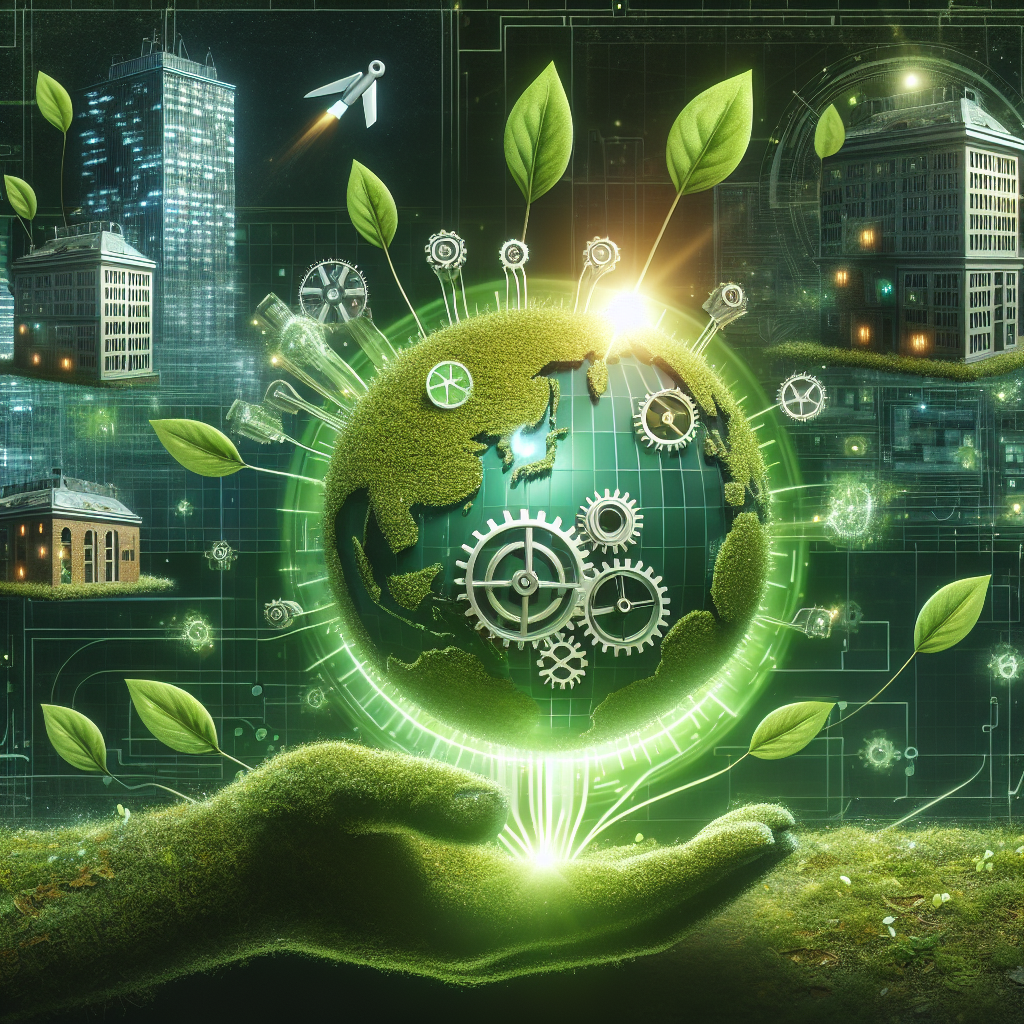
Transformação Sustentável: Inovação Verde e o Papel dos Incubadoras de Empresas na Adaptação aos Novos Desafios

Imagine stepping into a startup incubator buzzing with energy—young minds teeming with ideas, laptops humming, coffee brewing, and the air rich with ambition. Now, picture a poster on the wall: "Innovation for a Sustainable Future." This isn’t just a slogan; it’s becoming a core ethos for many business incubators as they adapt to our increasingly eco-conscious world.
Sustainability isn’t just a buzzword; it’s the new currency of value. Entrepreneurs are no longer just chasing profits; they are also challenging themselves to create something that doesn’t just plug into existing systems but rather rethinks them entirely. The rise of sustainability-driven transformation is about marrying technology with environmental responsibility, and business incubators are at the forefront of this shift.
Take, for instance, Bangalore-based incubator GRG, which recently launched a green innovation track. They focus on helping startups that aim to disrupt traditional sectors—like agriculture and energy—by integrating eco-friendly technologies. One of their recent graduates, a company called GreenDrop, developed an app that connects consumers to local farmers selling organic produce, cutting down on carbon emissions associated with long-distance transport. This startup isn’t just about making profits; it’s fundamentally reshaping how we think about food sourcing—ushering in a more sustainable model that benefits both producers and consumers.
But what does this really mean for the future of entrepreneurship? Well, the shift is multifaceted, intertwining technology and sustainability in ways that feel both exciting and necessary. First, it requires a cultural shift within the incubator ecosystem. Mentors and advisors are now prioritizing impact alongside intelligence. It’s less about “How much revenue can you make?” and more about “How can your innovation contribute to a sustainable future?”
This cultural transition isn’t just about pushing values; it’s about rethinking how resources are managed. Many incubators are now providing access to workshops focused on sustainability—think carbon footprint analysis, lifecycle assessments, and even financial modeling for green businesses. It’s practical and actionable, ensuring these startups don’t just innovate but do so responsibly.
From a tech perspective, the tools available for startups in this space are rapidly evolving. Artificial intelligence can be leveraged to enhance efficiency in supply chains, while machine learning algorithms help optimize energy usage in smart buildings. Renewable energy technologies are growing within incubators, allowing startups to experiment with new concepts—like energy storage solutions or sustainable manufacturing processes—without the hefty price tags that would typically sink an early-stage company.
Here’s the crux: if you’re an aspiring entrepreneur listening to the buzz surrounding sustainability, you’re in luck. Here are a couple of takeaways to consider as you step into this evolving landscape. First, think beyond profitability. Ask yourself how your idea can reduce waste or enhance efficiency in your chosen sector. Second, leverage the collaborative environment of incubators. Connect with like-minded thinkers who share your passion for sustainability; these relationships will form the bedrock of your venture’s success.
As we move forward, it’s clear that sustainability won’t simply be an added feature—it will be the bedrock upon which innovation is built. So, here’s a thought to ponder: what if every entrepreneurial venture could leave a positive imprint on the planet? The sheer potential of this paradigm shift could redefine our relationship with technology and the environment. And as we navigate this intriguing intersection of sustainability and innovation, the future isn’t just about change; it’s about transformation.
About the Author:
Sanjeev Sarma is the Director of Software Services and Chief Software Architect at Webx Technologies Private Limited. An IT enthusiast with a keen eye on the nuances of technology and entrepreneurship, he blends curiosity and insight. Passionate about making complex topics relatable, Sanjeev draws from his experiences in Northeast India to inspire others on the path of sustainable innovation.