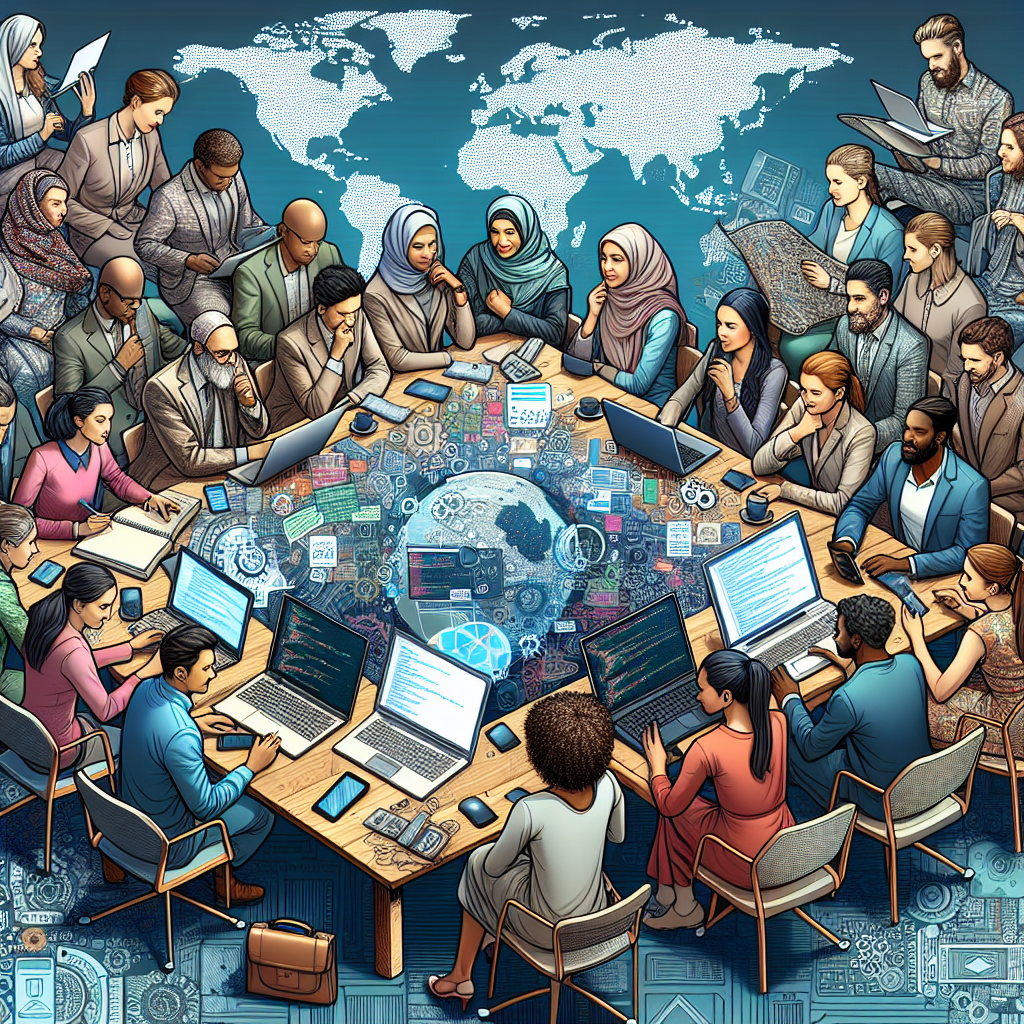
Beyond the Code: The Socioeconomic Impact of Large Language Models

Beyond the Code: The Socioeconomic Impact of Large Language Models
In recent years, we have witnessed an extraordinary rise in the capabilities of Large Language Models (LLMs) like OpenAI’s ChatGPT and Google’s BERT. These sophisticated AI systems can generate text, comprehend context, and even engage in conversations, creating waves across various sectors. Yet, while the technical prowess of these models is often the focus, it is crucial to explore their socioeconomic impact on our society as a whole.
Large Language Models are reshaping the workforce in profound ways. Automated content generation and data analysis, for instance, have started to shift job roles, particularly in sectors like marketing and customer service. Companies are leveraging LLMs to craft tailored experiences, automate responses to customer inquiries, and analyze market trends faster and more accurately than ever before. For instance, brands like Shopify have integrated ChatGPT-like features to help businesses enhance customer engagement, thereby streamlining operations and reducing costs.
However, this automation does not come without its challenges. While businesses can expect to see a boost in productivity, there’s a growing concern about job displacement. A McKinsey report suggests that up to 30% of the global workforce could be displaced by automation by 2030. Therefore, the question arises: How do we prepare for a future where AI and human roles must coexist harmoniously?
Education plays a vital role in this transition. As LLMs become ubiquitous, there is a pressing need to reimagine curriculums that prepare our future workforce. For professionals, acquiring skills in data literacy, machine learning principles, and AI ethics can no longer be optional. Online platforms like Coursera and edX provide affordable courses aimed at equipping individuals with the necessary technological skills. More than just being tech-savvy, education must also instill a critical understanding of the ethical and societal implications of using AI.
Moreover, the healthcare industry has not remained untouched by these advancements. LLMs are being utilized to assist in diagnosing conditions, understanding patient histories, and developing personalized treatment plans. A notable example is how the AI model from IBM Watson has been employed in oncology to aid in identifying the best treatment options based on a patient’s history. These innovations could lead to better health outcomes and prioritize patient-centered care, reducing overall healthcare costs in the long run.
Large Language Models also influence entrepreneurship. Startups can now leverage AI to analyze business landscapes, automate administrative tasks, and even create compelling pitches for investors. This democratization of technology is particularly significant for small businesses that may lack resources but are eager to compete in today’s digital marketplace. Tools powered by LLMs enable these budding entrepreneurs to level the playing field, allowing creativity and innovation to flourish.
However, as we rush into this AI-powered age, ethical considerations must remain at the forefront. Issues ranging from data privacy to misinformation are critical in ensuring that the implementation of LLMs benefits society as a whole rather than exacerbating existing inequalities. Examples like the Cambridge Analytica scandal serve as cautionary tales, highlighting the necessary balance between leveraging technology and safeguarding individual rights. It is crucial that regulations evolve in tandem with these technologies to ensure accountability and ethical behavior in their deployment.
In summary, the socioeconomic impact of Large Language Models extends far beyond their technical capabilities. They promise increased efficiency, improved healthcare outcomes, and new opportunities for entrepreneurs, but they also usher in significant challenges that we must tackle with proactive strategies. As we navigate this uncertain yet exciting landscape, continuous education, ethical vigilance, and a commitment to inclusive practices will be essential. The journey into an AI-driven future is not just about adapting to new tools, but reshaping our approach to collaboration between humans and machines, ensuring that the benefits of innovation are shared broadly across society.
Embracing the change and preparing for a future defined by these technologies will empower us to harness their full potential, making for a more prosperous and equitable world.