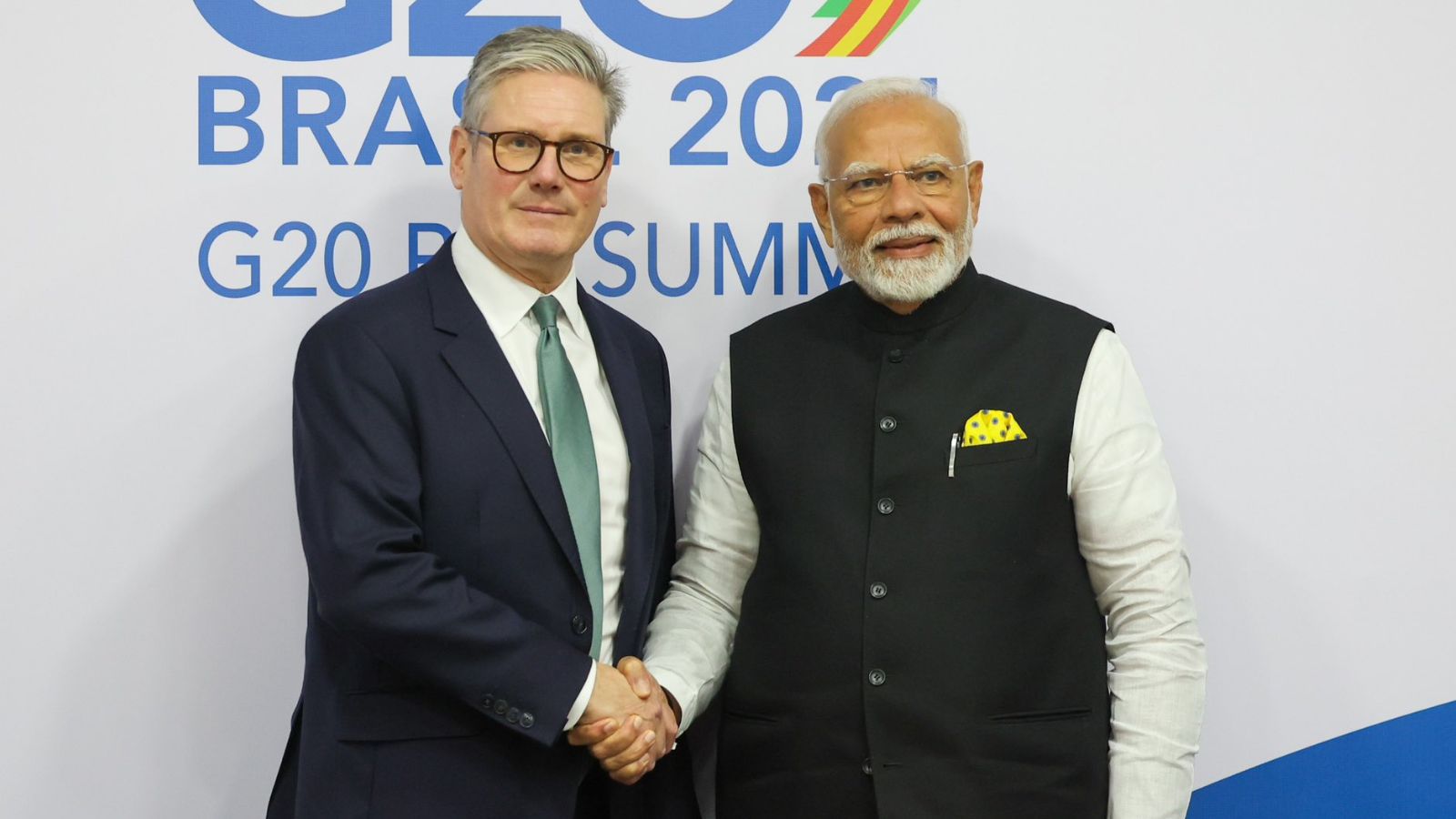

In a significant development for global trade, Britain and India have reached a landmark free trade agreement after three years of negotiation—an achievement marked by intense discussions and a renewed commitment to collaboration since February. This deal represents the most economically impactful bilateral trade arrangement the UK has established post-Brexit and is the most comprehensive agreement India has ever entered into. Recognitions should go to UK Prime Minister Sir Keir Starmer and Indian Prime Minister Narendra Modi for effectively translating diplomatic intentions into tangible outcomes. Governments worldwide should draw inspiration from this milestone to reduce trade barriers and enhance consumer choices.
Amidst a year characterized by political turmoil, the successful culmination of this trade agreement is a refreshing return to traditional diplomacy and statesmanship. Both leaders, along with key negotiators like Jonathan Reynolds and Piyush Goyal, deserve credit for their relentless efforts. From a British viewpoint, the deal is projected to boost bilateral trade by £25.5 billion, elevate GDP by £4.8 billion, and increase wages by £2.2 billion annually over the long term. Conversely, India anticipates substantial advancements in its manufacturing and services sectors.
The agreement will reduce Indian tariffs on essential products, including whisky, cosmetics, and medical devices, with 90% of tariff lines for UK exports set to be lowered, 85% becoming tariff-free within a decade. Specifically, whisky and gin tariffs will decrease from 150% to 75%, eventually settling at 40% over ten years. Automotive tariffs will also drop significantly, highlighting a broad array of goods—from lamb to electrical machinery—now available at reduced rates for businesses and consumers in India.
From India’s export perspective, Britain has agreed to nearly eliminate tariffs on garments, footwear, and food products, meaning the majority of Indian goods will face no duties on entry. A noteworthy addition to the agreement is the “double contribution” provision for temporary mobility, meaning employees sent from India to the UK will only pay social security contributions in their home country, facilitating smoother labor mobility—a critical aspect for India.
The broader implications of this agreement are substantial. For Starmer, amidst an economy grappling with sluggish growth and little sign of a “Brexit dividend,” this deal represents a timely opportunity to instill hope among voters by showcasing his ability to protect British interests. While both Boris Johnson and Rishi Sunak previously advocated for this trade, it is Starmer’s leadership that ultimately secured the deal, positioning him favorably for future negotiations, particularly with the United States.
For Modi, this agreement highlights his capabilities as a negotiator, reinforcing his “Make in India” vision. As India takes measures to lower economic barriers to free trade, this bold move could attract global firms reconsidering their supply chains, despite the nation’s historical protectionist policies.
Interestingly, the context of this deal was set against the backdrop of pressures from the U.S., particularly former President Donald Trump’s stance on tariffs, which catalyzed a more urgent focus on achieving trade agreements. Thus, a protectionist pivot from Washington served as an unexpected impetus for this deal, emphasizing the importance of mutual respect and collaborative problem-solving.
In a climate of uncertainty, this trade agreement between Britain and India provides an optimistic outlook, serving as a template for other nations to follow suit. Should similar trade deals emerge globally, promoting open markets and increased consumer choice, it could be viewed as a significant silver lining amid current challenges.
Original Source: https://indianexpress.com/article/opinion/columns/india-uk-fta-free-trade-agreement-uk-india-relations-9987588/
Category : Columns,Opinion
Tags:
Publish Date: 2025-05-07 11:41:00