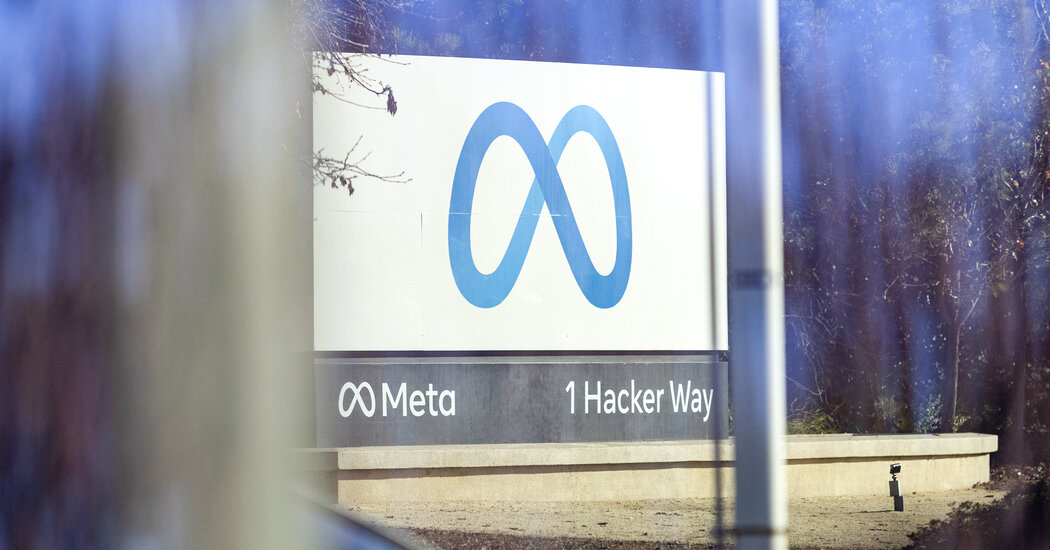

Meta Platforms Inc. secured a significant legal victory this week, as an arbitrator temporarily blocked former employee Sarah Wynn-Williams from promoting or distributing her explosive memoir, “Careless People: A Cautionary Tale of Power, Greed, and Lost Idealism.” Released recently, the book delves into serious allegations of sexual harassment and other inappropriate conduct by senior executives at Meta, with claims spanning Wynn-Williams’s tenure from 2011 to 2017, when the company was known as Facebook.
Meta moved swiftly to arbitration, arguing that the memoir violates a nondisparagement agreement Wynn-Williams had signed while in their global affairs department. Arbitrator Nicholas Gowen determined during an emergency hearing that the company showed sufficient grounds indicating a potential contractual breach by Wynn-Williams, as per legal documents shared by Meta. As a result, Wynn-Williams is now barred from promoting her book or making further disparaging remarks based on the agreement. Moreover, she is required to retract prior negative comments within her control, though the filing stops short of restricting her publisher, Flatiron Books, and its parent company, Macmillan, from continuing the book’s distribution.
The release of “Careless People” has been met with firm denials from Meta, challenging the book’s consistency and credibility. Andy Stone, a Meta spokesperson, dismissed the memoir’s content as “a mix of out-of-date and previously reported claims” alongside false allegations about executives. He further noted that Wynn-Williams was dismissed for poor performance, claiming an earlier investigation found her allegations “misleading and unfounded.” Requests for comments from Flatiron Books and Wynn-Williams’s representative have not been immediately returned.
This incident marks one of Meta’s strongest confrontations with former employees who have penned critical memoirs over the past two decades. Company executives have also taken to digital platforms to dispute Wynn-Williams’s assertions, contesting that most claims are exaggerated or entirely false.
The broader implications of Meta’s actions against Wynn-Williams remain uncertain, particularly given recent legal precedents. In 2023, the National Labor Relations Board ruled it generally impermissible for companies to institute severance agreements that restrict former employees from making potentially disparaging remarks, including those related to sexual harassment or assault. Additionally, Meta’s 2022 shareholder report underscores the company’s stated commitment to not silencing employees on matters of harassment or discrimination, affirming a stance against retaliation for such disclosures.
In a significant policy shift, Meta also announced in 2018 that it would no longer enforce private arbitration for sexual harassment claims, a move that aligned with similar strategies by tech giants like Google. This evolving legal and ethical landscape adds another layer to Meta’s current legal strategy with Wynn-Williams.
The arbitration filing showcases the ongoing tensions between corporate confidentiality agreements and individual narratives of workplace experiences, a point of considerable interest to legal experts, media watchers, and digital audiences alike. As the arbitration process unfolds, the case could set a precedent impacting how nondisparagement contracts are interpreted in today’s intricate professional environments.
The story continues to develop, drawing attention from both the literary and corporate worlds as they await further legal outcomes and responses from involved parties.
Original Source: https://www.nytimes.com/2025/03/12/technology/meta-book-sales-blocked.html
Category : Books and Literature,Workplace Hazards and Violations,Social Media,Arbitration, Conciliation and Mediation,Computers and the Internet,Facebook Inc,Flatiron Books,Macmillan Publishers,Meta Platforms Inc,Wynn-Williams, Sarah
Tags:
Publish Date: 2025-03-13 09:32:00