Unveiled: How a Heartwarming ’60s Sitcom Inspired the Buzz Behind BoJack Horseman!

The Horse That Could: How BoJack Horseman Galloped from Eccentricity to Cultural Phenomenon
In the kaleidoscopic world of animation, few series have left a hoofprint as indelible as BoJack Horseman. With six seasons under its belt, this audacious blend of wacky humor and crushing emotional depth defied all odds to become a Netflix staple-a show that could make you howl with laughter one moment and then weep into your popcorn the next. But brace yourselves, dear readers, for the origins of this animated tour de force are as whimsical as a Saturday morning cartoon and yet deeply profound.
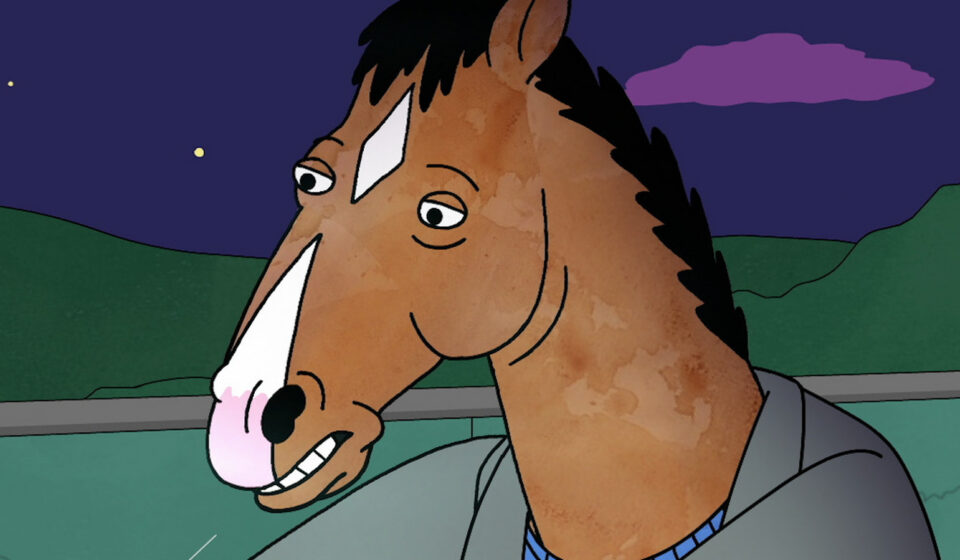
Our tale begins in 2010, amid the buzz of Hollywood meetings-imagine the glint of ambition in Raphael Bob-Waksberg’s eyes as he pitched project after project to the savvy producer Steven Cohen at The Tornante Company. Amid this frenzied exchange, one idea shone brighter than the rest, the kernel of genius that would ultimately give birth to our favorite anthropomorphic star. Picture this: a conversation in a bustling hallway where the former Disney CEO, Michael Eisner-a titan in the entertainment industry-was casually offered the idea of a show featuring a horse with the body of a human. Yes, you heard that right. The chaotic genius of BoJack Horseman was born from a casual nod to Mister Ed, the iconic talking horse from the 1960s.
Eisner recalled that fateful meeting with the sparkle of nostalgia in his voice when he recounted how a simple idea caught his ear. “This one is about an animated show about a living ‘person’ who has the body of a man and the head of a horse,” he quipped, as if it were merely an amusing cocktail party story. But, oh, how that one-minute hall encounter would reverberate through the annals of television history! The ex-Disney honcho’s choice felt both bold and fateful, reminiscent of a time when the world was enchanted by the whimsicality of talking beasts.
However, convincing Eisner to invest his creative capital wasn’t a walk in the park. As Executive Producer Noel Bright stated, it was less about pitching ideas and more about making a case for legendary storytelling-one that would resonate with the audience and reveal the inner turmoil often masked by glitz and glamour. “That was the meeting to say, ‘This is a project we want to do’,” he elaborated, encapsulating the palpable air of promise that surrounded Bob-Waksberg’s innovative concept.
Bob-Waksberg infused the show with a depth that transformed the absurd into the achingly relatable, examining issues such as addiction, self-worth, and the relentless quest for redemption-struggles not just familiar to the four-legged protagonist but also deeply reflective of our human condition. Where the original Mister Ed frolicked in the lighthearted innocence of the 1960s, BoJack Horseman plumbed emotional abysses, turning its equine hero’s tales into poignant, albeit dark, reflections of reality.
This juxtaposition renders BoJack a timeless classic-one that echoes the sincerity of Mister Ed while capturing the complexities of modern existence. Undoubtedly, this series has garnered acclaim not merely for its clever quips and surreal narrative arcs, but for revealing the raw, unflinching truth about the human experience.
So, as we tip our glasses to BoJack Horseman, let us not forget the brilliant architects behind the curtain, whose legacy is woven into the colorful fabric of animated storytelling. After all, in the grand tapestry of cinema and television, sometimes it’s that oddball pitch-a horse with human aspirations-that gallops into our hearts and refuses to leave. Cheers to that!