The Premium Nostalgia Trap: Why Delight Is Not a Demand Strategy

What an Electric Camper Reveals About Designing for Scarcity
How much driving range should an electric vehicle trade for a comfortable night while parked? There’s no single answer. It depends on how cold it is, how far away the next charger is, and what the person inside needs more: comfort now or more range in the morning.
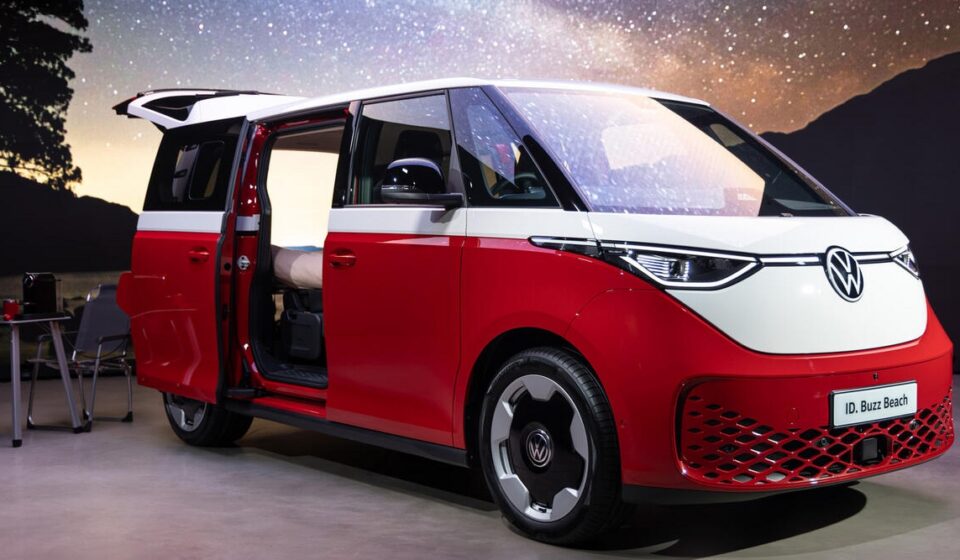
A recent CleanTechnica report on an electric camper described a vehicle designed to run cabin climate control overnight without being plugged in. The interesting shift is that the same battery must now support two different jobs: getting people somewhere and keeping them comfortable once they arrive.
When the battery becomes a shared resource
From an architecture perspective, the hard part isn’t getting the air conditioning to run while parked. It’s deciding how much energy the cabin can use without compromising the next trip. A fixed overnight allowance is simple to build and explain, but the same allowance can mean very different things on a mild evening and a freezing one. An adaptive policy can make better use of the battery, but only if its estimates are good enough and its decisions are understandable.
That’s a familiar trade-off for anyone building shared enterprise infrastructure. A background analytics job and a customer-facing application may both run well when tested separately. Put them on the same infrastructure, and the analytics job can slow down customer transactions at precisely the wrong moment. The system needs an explicit answer to a business question: When both workloads can’t get what they want, which one has priority?
I’d start by defining what must be preserved before deciding what can be offered. In a vehicle, that might mean protecting a configurable battery reserve and warning the user before comfort settings are reduced. In a cloud platform, it might mean reserving capacity for transactions and deferring batch work during a spike. In both cases, the user should know what will change before they experience it.
What should still work without the cloud?
The cloud can help forecast demand and improve policies across a fleet. But a parked vehicle shouldn’t need a live connection to protect its battery reserve. The same principle applies to field equipment: central monitoring can help a team spot trends, but the equipment still needs to make essential decisions during an outage.
There’s a cost to putting more logic on the device. You have to test it, update it, and explain what happens when local information is stale. But shipping every decision to the cloud creates a dependency that may not show up until the system is needed most. That’s a form of technical debt: the architecture looks simpler because the hardest failure case hasn’t happened yet.
For researchers and engineering teams, I’d put more weight on how the system behaves under changing conditions than on its best-case runtime. How far off are its estimates when temperatures change? What happens when the battery has aged? Does it reduce service gradually or stop without warning? Those results tell you more about readiness than a headline number.
For CTOs and founders, I’d turn this into three design-review questions:
- What are we protecting? Define the minimum service that must survive when energy, compute, or connectivity runs short.
- Who decides what gets reduced? Make priorities explicit, including where a user can override a default and where they cannot.
- How will we know the design works? Test competing demands and outages together, not just each component under ideal conditions.
A system earns trust when people can predict what it will keep doing, what it will give up, and when it will ask them to make the choice.
About the Author: Sanjeev Sarma is the Founder Director and Chief Software Architect at Webx Technologies. With a core focus on Generative AI integration, Cloud-Native Scalability, and Enterprise Software Architecture, he has spent over two decades driving digital transformation across Northeast India and beyond. Beyond his corporate leadership, Sanjeev is deeply invested in shaping the future of the IT industry. He serves as an Industry Expert on the Board of Studies for Assam Don Bosco University’s School of Technology, advises state technology committees, and actively mentors emerging tech startups at STPI. He brings a unique, dual perspective of high-level enterprise execution and future-ready academic curriculum development.