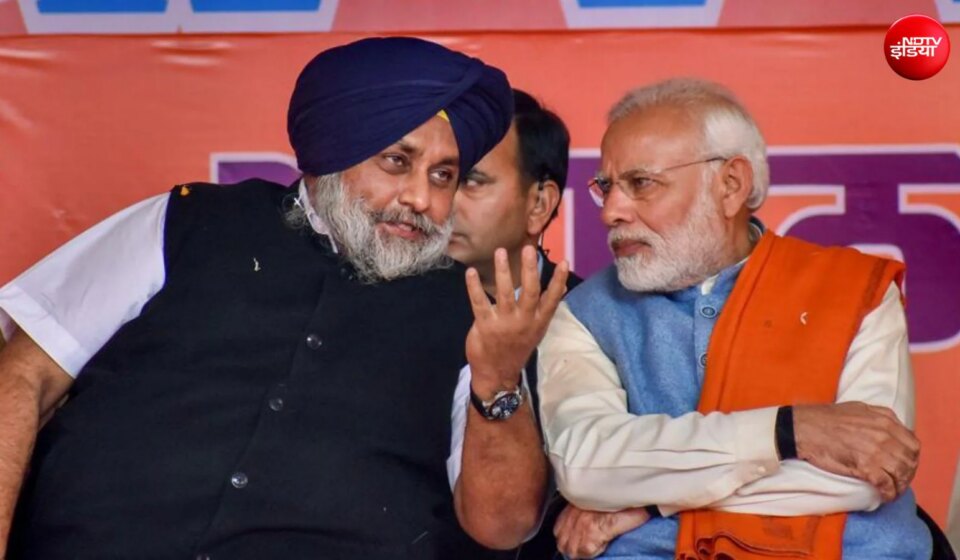

The BJP and the Shiromani Akali Dal (SAD) remain electorally significant in Punjab but neither has shown it can secure a decisive mandate alone; results from the 2022 state assembly and the 2024 Lok Sabha elections suggest a complementary coalition could materially change outcomes. In 2022 the BJP contested 73 of 117 assembly seats without the SAD, won two seats (Pathankot and Mukerian) and polled about 6.6 percent. In the 2024 Lok Sabha polls the BJP ran on all 13 parliamentary seats, increased its vote share to 18.56 percent but failed to win a single seat. The SAD followed a different arc: it recorded 18.38 percent and three assembly seats in 2022, but in 2024 its vote share fell to 13.42 percent while it won only Bathinda; this is a sharp decline from the 27.45 percent the party had in 2019.
The numbers underline distinct strengths and limits. The BJP’s recent growth in vote share shows expanding urban and Hindu support, traders and parts of the urban middle class, but it still struggles to convert that into rural seats. The SAD continues to retain rural organisation, regional identity and networks among Sikh voters, yet its overall vote base has eroded. Simply adding 2024 vote shares-18.56 percent for BJP and 13.42 percent for SAD-gives a combined pool of about 31.98 percent, but overlap, candidate performance and voter transferability mean an alliance is not a mechanical seat-winner.
Crucially, Lok Sabha and Assembly contests operate differently. Voters weigh state issues-local leadership, governance, agriculture, jobs, law and order and welfare-more heavily in assembly polls than in national elections. The BJP cannot assume its 2024 national vote share will translate directly into assembly strength; conversely, the SAD’s rural footprint may matter far more in state contests than in parliamentary ones. The BJP’s 2024 outcome-near one-fifth of votes yet zero seats-exposes the gap between expanding vote share and actually converting seats.
An alliance offers strategic logic: the BJP gains rural reach and access to Sikh voters; the SAD gets an urban partner and a slice of the BJP’s growing urban vote. But political realities complicate renewal. The parties split during the farmers’ agitation and 2022 realignments, the BJP has incentives to build an independent organisation in Punjab, and the SAD would approach negotiations from a weakened position-making seat-sharing the key flashpoint.
Electoral arithmetic therefore makes dialogue compelling, but a renewed partnership would require hard bargaining, careful seat allocation and efforts to rebuild trust with voters across both urban and rural Punjab.
Original Source: https://www.ndtv.com/india-news/punjab-politics-why-bjp-and-akali-dal-may-need-each-other-again-11887571#publisher=newsstand
Category:
Tags:
Publish Date: 2026-08-10 00:36:00