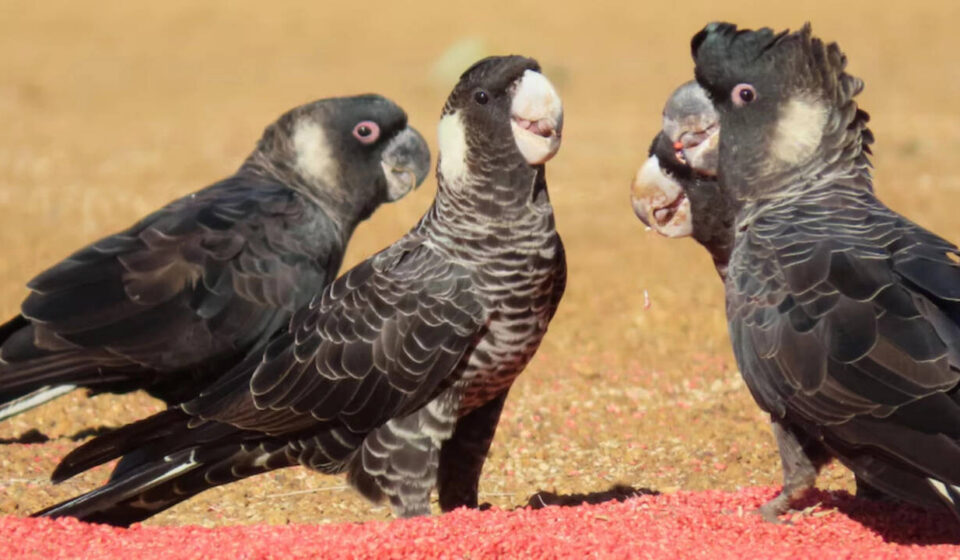

Researchers from Murdoch University have found widespread pesticide contamination in the food of endangered Carnaby’s black cockatoos after tracking the birds across Western Australia’s Wheatbelt for three breeding seasons. By fitting wild birds with GPS and ARGOS satellite tags at five breeding sites and collecting seed samples from locations where the birds fed, the team detected pesticides in about 80% of samples. In total they found 26 different compounds, including 10 known neurotoxic chemicals, and some residues measured hundreds of times above accepted maximum residue levels for food and animal feed.
The study showed more than half of positive samples contained mixtures of three or more pesticides rather than a single active ingredient. Detected chemicals included neonicotinoids and fungicides such as imidacloprid, thiamethoxam, clothianidin, difenoconazole and metalaxyl-substances linked to short- and long-term harms in animals and humans. GPS data confirmed birds repeatedly returned to the same contaminated feeding spots, raising the risk of chronic exposure.
The findings may shed light on a puzzling illness known as Carnaby’s Hindlimb Paralysis Syndrome (CHiPS), reported in these cockatoos since about 2012. Scientists have long suspected agricultural chemicals as a possible cause; the new field evidence directly links bird foraging routes to contaminated grain spills. Zoe Kissane, a PhD candidate and lead researcher, said the results “really highlighted that there’s a bit of a chemical cocktail that these birds are being exposed to.”
Co-supervisor Dr Jill Shephard argued the tracking approach reveals real-world exposure pathways that laboratory studies alone cannot. The research has prompted calls for Australia to review pesticide rules, noting some chemicals found in the Wheatbelt are already banned or tightly restricted in parts of Europe, the UK and North America.
The team recommends practical changes to reduce risks quickly: better grain handling at silos, regular cleanup of spilled seed, stricter controls on transport to prevent road spills, and measures to limit wildlife access to stockpiles. Kissane said “relatively simple changes” by industry could substantially cut wildlife exposure, while also encouraging longer-term shifts toward practices that reduce reliance on hazardous pesticides.
With Carnaby’s black cockatoo listed as endangered, the study supplies actionable evidence for policymakers and farmers and underscores potential human and ecosystem health implications from routine agricultural seed spills and pesticide use.
Original Source: https://timesofindia.indiatimes.com/science/scientists-tracked-endangered-australian-cockatoos-for-three-breeding-seasons-and-found-pesticides-in-80-of-seed-samples-some-hundreds-of-times-above-regulatory-limits/articleshow/132521418.cms
Category:
Tags:
Publish Date: 2026-07-21 01:08:00