Revolutionizing Delhi: Unveiling the 2026 EV Policy-10 Game-Changing Takeaways on Electric Three-Wheelers!

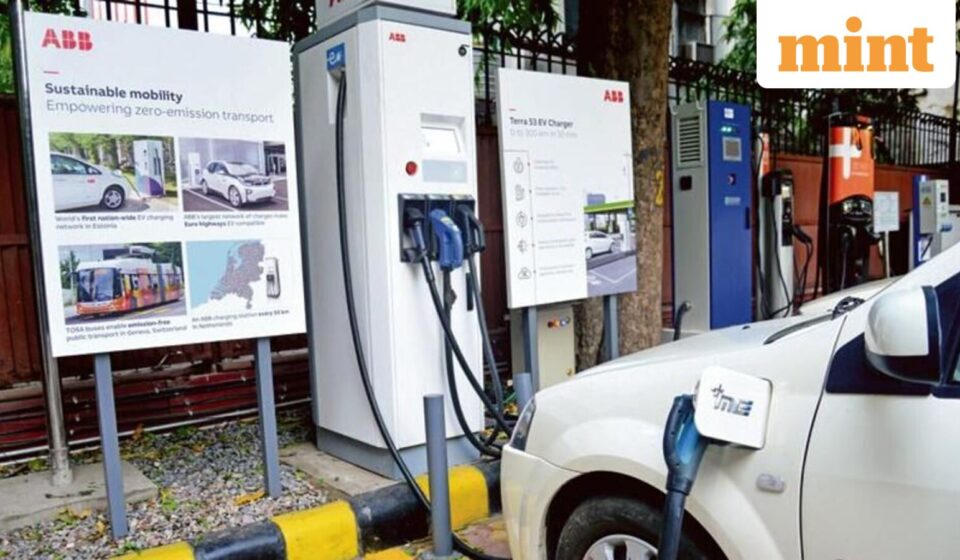
The Delhi government’s newly proposed electric vehicle (EV) policy, unveiled over the weekend, aims to revolutionize the transportation landscape in the capital. Under this draft, starting January 1, 2027, only electric three-wheelers will be permitted for new registrations, with a complete switch to electric two-wheelers mandated by April 1, 2028.
The draft, known as the Delhi Electric Vehicle Policy 2026-2030, emphasizes that the initiative aims to accelerate the adoption of electric vehicles, improve air quality, and foster an ecosystem supportive of electric mobility. The policy will take effect from the date of formal notification.
Key provisions include a 100% exemption on road tax and registration fees for electric cars priced at ₹30 lakh or below, valid until March 31, 2030. Notably, vehicles exceeding this price will not be eligible for these benefits. Moreover, strong hybrid vehicles will enjoy a 50% exemption under the policy.
For those looking to transition from older vehicles, the draft includes a scrapping incentive of up to ₹1 lakh for purchasing a new electric car, contingent upon scrapping a BS-IV or older vehicle. This benefit applies if the new vehicle is acquired within six months of obtaining a Certificate of Deposit from an authorized scrapping center. The ₹1 lakh incentive will only apply to electric cars priced under ₹30 lakh.
Electric auto-rickshaw buyers will receive a fixed incentive starting at ₹50,000 in the first year. Incentives for electric two-wheelers can reach up to ₹30,000, with a structure that accommodates different purchase timelines and caps based on the vehicle’s ex-factory price, which should not exceed ₹2.25 lakh. The policy proposes additional incentives of ₹50,000 in the first year, tapering down to ₹30,000 in the third year for new registrations or replacements of older CNG auto-rickshaws.
In the goods transport sector, electric four-wheeler e-trucks may qualify for incentives of up to ₹1 lakh in the first year, followed by ₹75,000 in the second year and ₹50,000 in the third year. The initiative also includes provisions for institutional transport systems, mandating a phased transition to electric school buses, aiming for 10% adoption in the second year, progressing to 30% by 2030. Furthermore, all leased and hired government vehicles will need to become electric, and new intra-state buses will follow suit, with possibilities for cleaner alternatives like hydrogen in the future.
Feedback from the public on the draft policy is encouraged within the next 30 days, with submissions accepted via email or by post. Originally introduced in August 2020 under the prior AAP government, the EV policy has been extended beyond its initial three-year term, which concluded in August 2023, reflecting ongoing efforts to combat vehicular pollution and promote electric vehicle adoption in Delhi.
As the capital gears up for this significant transition, the new draft policy sets the stage for a cleaner, more sustainable future in urban mobility.
Original Source: https://www.livemint.com/news/india/delhi-draft-ev-policy-2026-new-registrations-of-only-electric-three-wheelers-allowed-from-2027-key-takeaways-11775903205401.html
Category :
Tags:
Publish Date: 2026-04-11 17:57:00