From Diplomacy to Destruction: The Heart-Wrenching Collapse of Nuclear Talks with Iran and the US’s Lethal Decision Against Khamenei

The unprecedented aerial assault known as Operations Epic Fury and Roaring Lion marked the largest military intervention by Israel to date, the result of a strategic alignment between the United States and Israel. Recent reports from Axios reveal that this operation stemmed from a dual-track approach pursued by Washington over the past two months, blending diplomatic efforts with military preparations in the face of increasing tensions with Iran.
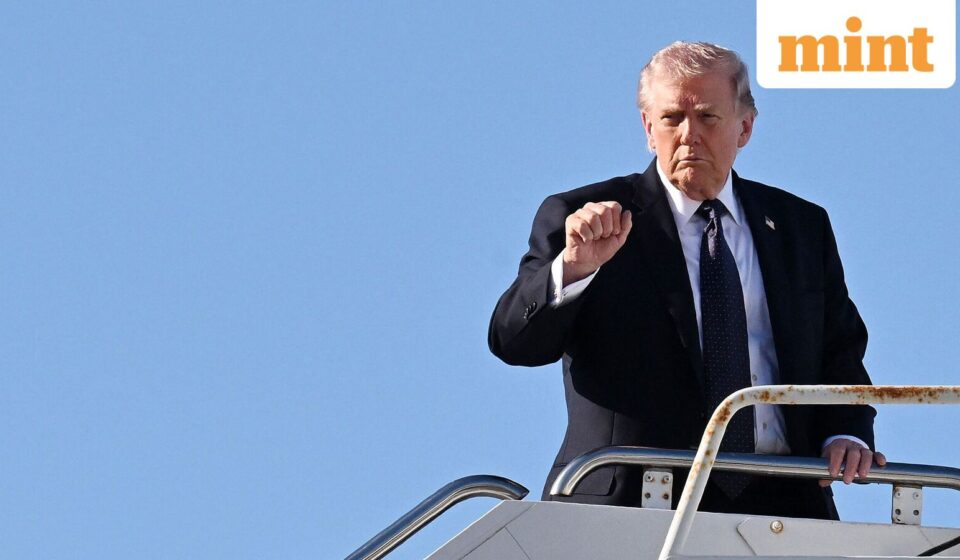
Sources indicate that the crisis reflected a typical “vintage Trump” scenario, characterized by rapid twists and deliberate misdirection, which ultimately left Iran vulnerable. In late December, a critical meeting unfolded at Mar-a-Lago between President Donald Trump and Israeli Prime Minister Benjamin Netanyahu, during which discussions began on a follow-up to prior strikes that targeted Iran’s ballistic missile capabilities. As protests erupted against the Iranian regime, Netanyahu came equipped with plans for a potential operation set for the following May. However, the internal situation in Iran escalated dramatically, prompting a severe crackdown by the government.
As the unrest intensified, with thousands reportedly killed, Trump used his platform on Truth Social to issue a rallying cry to protesters, asserting, “HELP IS ON ITS WAY.” By mid-January, he stood on the edge of ordering strikes but ultimately refrained from doing so publicly. Meanwhile, high-level Israeli officials, including the Mossad director, made urgent visits to Washington as military strategizing ramped up.
Despite the military focus, a diplomatic channel remained open, with U.S. and Iranian officials convening in Oman for their first direct contact since the previous June’s conflict. Netanyahu traveled to discuss potential military actions that would proceed if diplomatic negotiations faltered. However, skepticism loomed large over the likelihood of reaching a satisfactory agreement. Trump reportedly aimed to test whether military leverage could prompt Iran into compliance with U.S. demands. Axios states that Iranian negotiators were warned that strikes would ensue without significant progress in negotiations.
As intelligence assessments evolved, U.S. and Israeli planners identified a key moment: a Saturday when Iranian Supreme Leader Ali Khamenei typically met with top aides. Ensuring he remained unaware of the impending operation became crucial.
Executives Jared Kushner and Steve Witkoff headed to Geneva for negotiations, but were already doubtful about the prospects for success. Their mission served to maintain the façade of diplomacy, keeping Iranian expectations alive. However, three core issues derailed discussions: Iran’s refusal to halt nuclear enrichment, its rejection of talks on ballistic missile production, and its unwillingness to limit funding for regional proxies. Compounding these tensions were claims that Iran was secretly rebuilding previously destroyed nuclear facilities, raising further concerns among U.S. and Israeli officials.
In a last-ditch effort, Oman’s foreign minister rushed to express concerns to Vice President JD Vance, advocating for a delay, but it was too late. As preparations were finalized, an Arab official’s inquiry about an imminent attack was met with ambivalence. By Saturday morning, Khamenei convened his advisers as anticipated, paving the way for the military strikes shortly thereafter.
An Israeli intelligence official noted that had Iran complied with Trump’s demands during the Geneva talks, military action could have been avoided. However, the Iranian leadership underestimated the U.S. response. This generational conflict between military preparedness and diplomatic engagement underscores the volatile dynamic shaping U.S.-Iran relations. As tensions continue to escalate, the ramifications of this operation reverberate beyond immediate military outcomes.
Original Source: https://www.livemint.com/news/world/did-trump-never-intend-to-follow-through-on-nuclear-talks-how-us-president-chose-war-with-iran-amid-failed-negotiations-11772408433428.html
Category :
Tags:
Publish Date: 2026-03-02 05:54:00