
Contrarian hook
We fetishize flagship specs and hero products, then complain that technology hasn’t reached everyone. Yet often it’s the modest, thoughtfully engineered devices – affordable, rugged, and standards-compliant – that deliver the biggest practical impact. The recent coverage of a low-cost, IPX7-rated Bluetooth speaker is a reminder: product design that balances cost, durability and decent performance democratises digital experiences far more effectively than headline-grabbing premium features.
Context (signal)
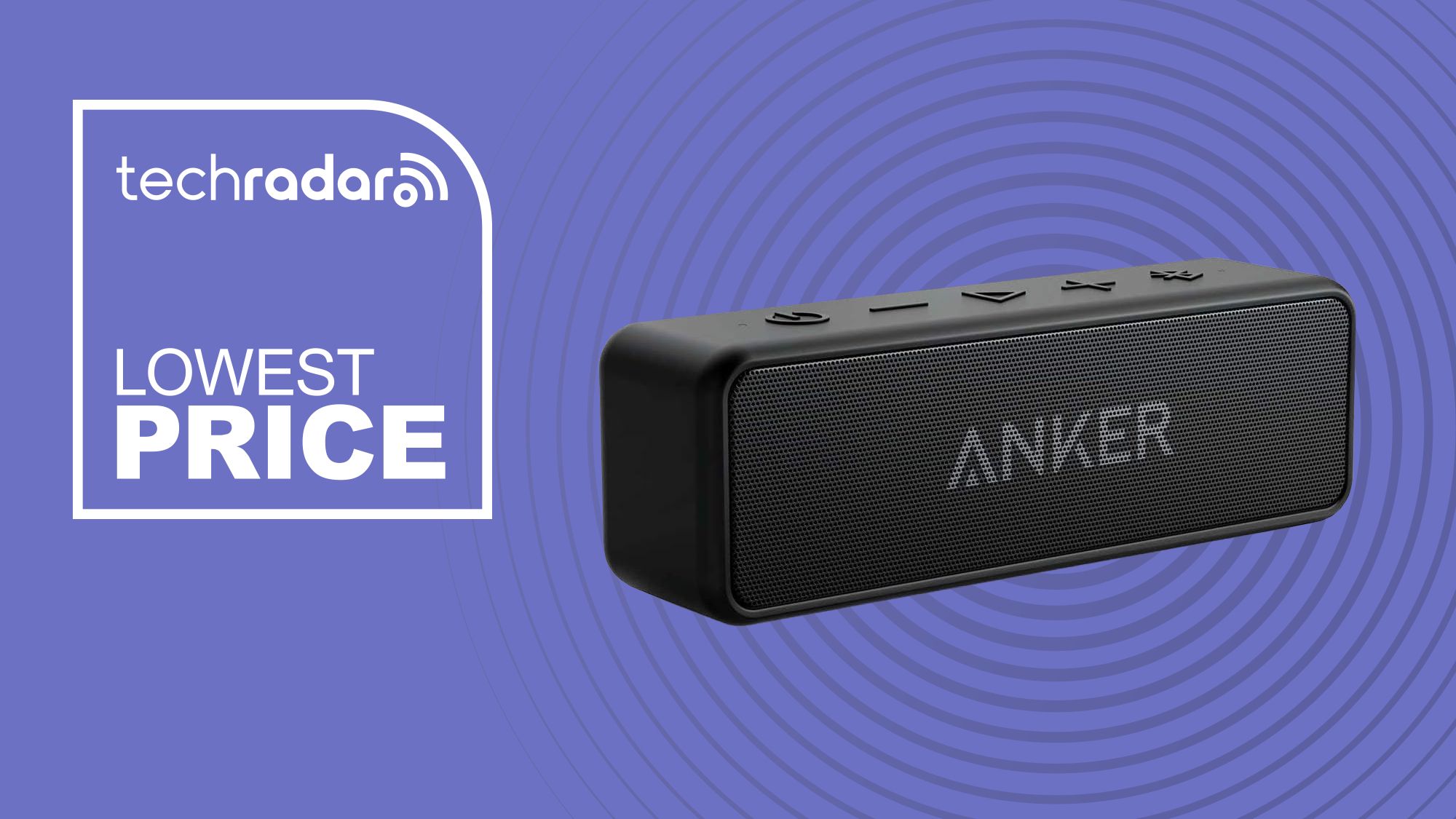
A mainstream review highlighted an inexpensive portable speaker that pairs water resistance, long battery life and USB‑C charging with a sub‑£30 price. It argued that while premium brands still lead on audio fidelity, these low-cost options offer “good enough” performance for most everyday uses.
Analysis – why this matters to architects and technology leaders
There are three strategic lessons here that I think matter for technology leaders, procurement teams and product strategists.
1) Friction reduction beats perfection in adoption
For most users and many field operations, dependability and low friction win over top-tier performance. A device that survives rain, lasts all day on a charge, and charges via a common port (USB‑C) reduces operational friction dramatically. When designing systems or buying devices for a distributed workforce-field agents, health workers, educators-prioritise robustness and interoperability. These attributes lower support costs and accelerate real usage.
2) Standards and modularity lower long‑term risk
USB‑C, IP ratings and widely supported Bluetooth profiles are not mere marketing jargon – they are risk mitigants. Standards make replacement, charging infrastructure and peripheral integration predictable. As a chief architect, insist on common interfaces and firmware-update pathways when selecting hardware partners. This enables lifecycle management, reduces vendor lock‑in and makes future integration simpler.
3) The hidden costs: lifecycle, security and e‑waste
A cheap device can become expensive if it has a short lifespan, lacks firmware updates, or contributes to e‑waste. From a procurement perspective, total cost of ownership (TCO) must include expected lifespan, availability of spare parts, and security update policies. Bluetooth devices are part of the edge ecosystem; insecure or unpatchable firmware is a liability. Organizations should require clear update commitments and consider device management strategies (even for “consumer” hardware used in enterprise contexts).
Actionable guidance – what CTOs and founders should do
– Buy for outcomes, not specs: Define the operational outcomes you need (uptime, ruggedness, battery life), and evaluate devices against those criteria rather than feature checklists.
– Demand update guarantees: For devices deployed at scale, include firmware‑support and update SLAs in contracts.
– Design charging and replacement ecosystems: Standardise on charging interfaces and spares so logistics stay simple.
– Measure environmental impact: Track device turnover and plan refurbish/repair programs to reduce e‑waste and cost.
– Build security into the edge: Treat Bluetooth peripherals as entry points; include device inventory, periodic security scans and update paths in your security playbook.
Localization – a practical bridge to India’s last mile
In regions like Northeast India, where intermittent connectivity and harsh environmental conditions are common, the value of affordable, durable devices is even higher. Low-cost, water‑resistant speakers and other peripherals can enable offline learning, community audio services, and local content delivery without demanding high bandwidth. For public programs or MSME initiatives, frugal devices that are maintainable locally create disproportionate social and economic value.
Takeaways
– Democratization of hardware matters: inexpensive, reliable devices scale impact faster than premium gadgets.
– Prioritise standards, lifecycle support and security when deploying edge hardware.
– For last‑mile implementations, durability and local maintainability trump feature lists.
Closing thought
In product strategy, the smartest wins are often small wins – lowering friction, reducing uncertainty and extending useful life. That’s how technology becomes meaningful at scale.
About the Author Sanjeev Sarma is the Founder Director of Webx Technologies Private Limited, a leading Technology Consulting firm with over two decades of experience. A seasoned technology strategist and Chief Software Architect, he specializes in Enterprise Software Architecture, Cloud-Native Applications, AI-Driven Platforms, and Mobile-First Solutions. Recognized as a “Technology Hero” by Microsoft for his pioneering work in e-Governance, Sanjeev actively advises state and central technology committees, including the Advisory Board for Software Technology Parks of India (STPI) across multiple Northeast Indian states. He is also the Managing Editor for Mahabahu.com, an international journal. Passionate about fostering innovation, he actively mentors aspiring entrepreneurs and leads transformative digital solutions for enterprises and government sectors from his base in Northeast India.