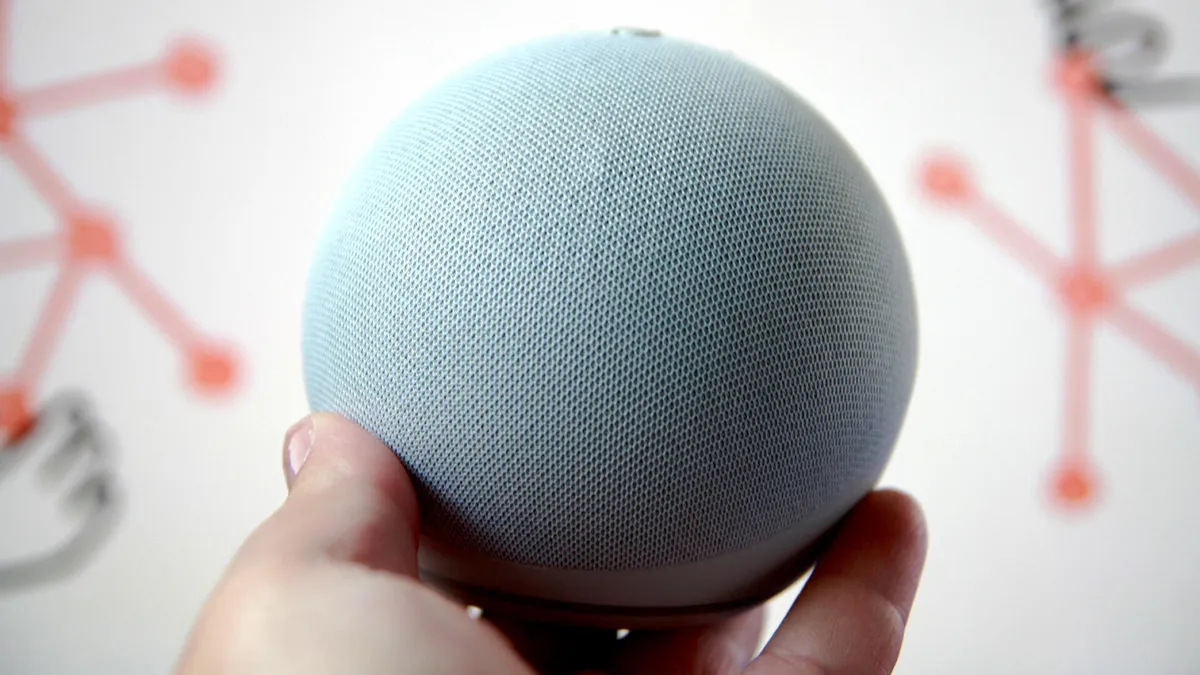

The Rise of Virtual Assistants: A Paradigm Shift in Home Management and Beyond
In today’s fast-paced world, the integration of technology into our daily lives is not just a trend; it is a fundamental transformation. The rapid adoption of virtual assistants, such as Amazon Alexa, is reshaping how we interact with our home environments. Far from being a mere novelty, these tools are becoming essential components of smart living.
Recent insights highlight how virtual assistants like Alexa have significantly enhanced home management. From automating lighting systems and managing bedtime routines to functioning as a communication hub, these digital companions are redefining user experiences in fundamental ways.
However, while these innovations offer enhanced convenience, they also invite critical analysis regarding their broader implications in enterprise architecture and long-term digital strategy.
Context: The Future of Management
The capabilities of virtual assistants extend beyond mere convenience; they facilitate smarter, more efficient home environments. Features like tracking packages and managing timers revolutionize everyday tasks, supporting families in maintaining order in their busy lives. As these digital assistants continue to evolve, their potential for transforming household management becomes increasingly evident.
Analysis: Bridging Innovation with Enterprise Architecture
The implications of integrating virtual assistants into daily routines extend well into the enterprise landscape. Organizations must consider the architectural foundations that support these technologies, focusing on the balance between user experience and system reliability. The adoption of smart home technologies is a testament to evolving consumer expectations, leading enterprises to rethink their operational paradigms.
-
Scalability and Flexibility: The increasing reliance on virtual assistants means enterprises should adopt scalable digital infrastructure that can accommodate new functionalities without compromising performance. This calls for a robust architecture capable of supporting myriad devices and services.
-
Security Concerns: As virtual assistants become central to managing sensitive data, from family schedules to health information, it’s essential for organizations to prioritize security frameworks. Embracing Zero Trust principles can safeguard user data while allowing flexibility in device management.
-
Legacy Modernization: Organizations should also assess their legacy systems to support digital interactions effectively. This shift necessitates a reassessment of existing software, tools, and protocols to integrate new technologies without creating technical debt.
-
Consumer-Centric Strategies: The rise of virtual assistants indicates a broader trend towards user-focused designs. Enterprises should invest in user experience research to understand how emerging technologies shape consumer expectations, allowing for the development of targeted solutions that enhance customer satisfaction.
Actionable Insights for Leaders
-
CTOs should evaluate current system architectures, ensuring they are aligned with evolving consumer technology trends, focusing on scalability and enterprise integration.
-
Embrace digital transformation as a long-term strategy rather than a one-off project. This includes investing in integrated systems that can adapt to changing technologies such as AI and machine learning.
-
Prioritize user experience in the design and development of new applications, drawing lessons from the success of virtual assistants that prioritize ease of use and accessibility.
Conclusion: A Future-Oriented Mindset
The rise of virtual assistants signifies more than a shift in household management; it heralds a broader evolution in how technology interfaces with our lives. Leaders in technology must embrace these changes, recognizing that the future lies in reactive and adaptable systems that can respond to user needs swiftly.
As we navigate these transformations, let us not lose sight of the fundamental human element guiding these advancements. At the intersection of technology and daily living, we find opportunities to enhance our connections – both with our environments and each other.
About the Author
Sanjeev Sarma is the Founder Director of Webx Technologies Private Limited, a leading Technology Consulting firm with over two decades of experience. A seasoned technology strategist and Chief Software Architect, he specializes in Enterprise Software Architecture, Cloud-Native Applications, AI-Driven Platforms, and Mobile-First Solutions. Recognized as a “Technology Hero” by Microsoft for his pioneering work in e-Governance, Sanjeev actively advises state and central technology committees, including the Advisory Board for Software Technology Parks of India (STPI) across multiple Northeast Indian states. He is also the Managing Editor for Mahabahu.com, an international journal. Passionate about fostering innovation, he actively mentors aspiring entrepreneurs and leads transformative digital solutions for enterprises and government sectors from his base in Northeast India.