অসমত ৰক্তচাপৰ আশ্চৰ্যজনক বৃদ্ধি: নগাঁৱৰ জি এন আৰ চি হাস্পতালত উন্মোচিত চিকিৎসাৰ নতুন পথ!

A Cautionary Tale from the Heart of Assam
In the vibrant tapestry of Assam’s cinematic and cultural landscape, a silent but deadly adversary lurks — strokes. It’s alarming, but let’s spill some numbers that may make your hair stand on end: every year, a staggering 1.6 million Indians find themselves at the mercy of this cruel twist of fate. That’s about 186 souls per hour, or, for our pulse-pounding drama, one emotional tragedy every 20 seconds. Yes, you read that right.
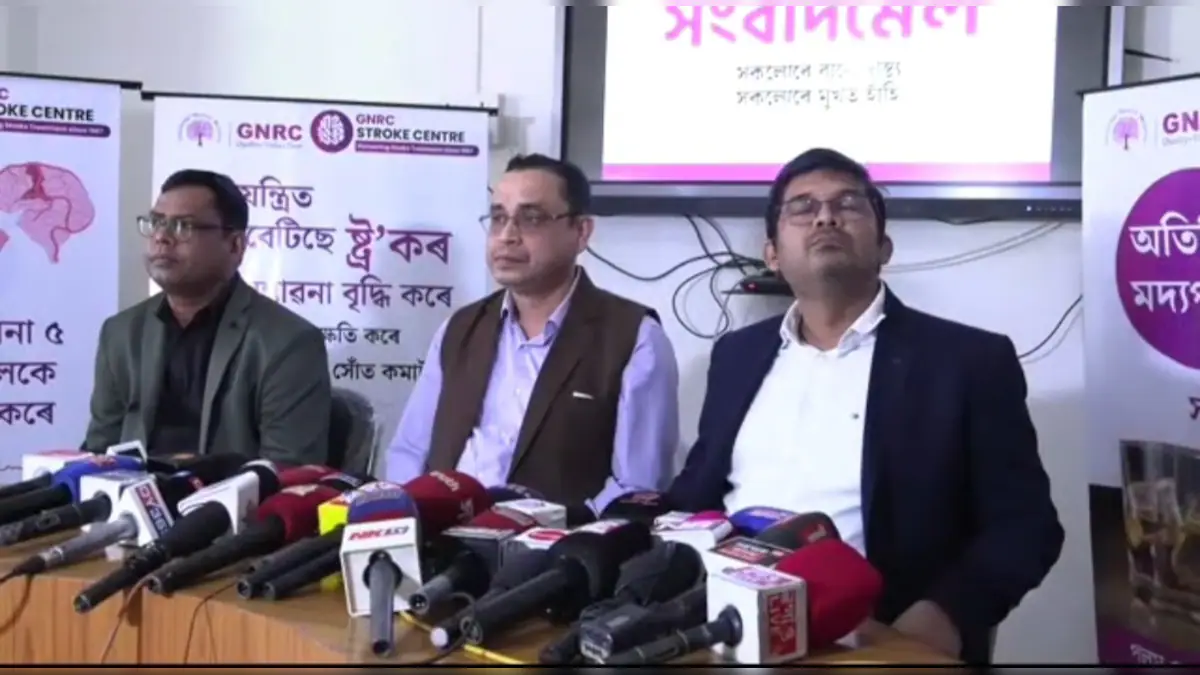
Now, hold onto your popcorn as we dig deeper. The GNRC Hospital, that bastion of healing nestled in the heart of Nagaon, has recently rolled out a high-stakes mission — a campaign aimed at raising awareness and prevention about strokes. In a compelling press conference at the G. N. D. G. Commerce College, hospital authorities pulled back the curtain on some distressing statistics. According to their findings, a glaring lack of awareness among the citizens has led to an alarming rise in stroke incidents.
Globally, the numbers are nightmarish — around 15 million people fall victim to strokes annually. Of these, nearly 5 million succumb too soon, while another 5 million are left grappling with lifelong disabilities. If we zoom in on our home turf, Assam, we see approximately 72,000 people experiencing strokes each year. That’s roughly 200 lives turned upside down daily. And if you think that’s just a number, consider this: in Nagaon alone, about 5,822 individuals are impacted annually by strokes. The implications ripple outwards, affecting families and communities alike.
The GNRC authorities, armed with compelling facts and anecdotes, urged the public to take heed. Their message? Be aware, be alert, and take proactive measures against strokes. After all, in the glitzy world of cinema and theatre, where lives are illuminated on screen, the reality off-screen demands just as much attention.
Strokes, much like the sudden plot twists in your favorite film, don’t announce themselves. They strike when least expected, often leaving unexplained heartache and suffering in their wake. Perhaps the most disheartening aspect is that many the victims aren’t even aware of the warning signs until it’s too late. It’s time to shift our focus from screenplays and scripts to life-saving scripts and strategies.
But let’s not lose hope. Awareness is a form of empowerment, and therein lies our best chance of combating this crisis. The vibrant narratives woven into our films can provide the backdrop for change. Just as characters evolve and learn, so can we. By spotlighting health education through storytelling, we can turn this tragedy into triumph.
With film after film showcasing glamour, glitz, and grand tales, it’s crucial for the voices of our esteemed artists, directors, and producers to resonate with vital health messages. Why not feature stroke prevention in a heartwarming subplot of a romantic comedy or a gripping drama? In the age of digital storytelling, we can be the change-makers.
So, dear readers and lovers of Assam cinema, as you continue to celebrate our stars and their artistry, remember there’s a reality far more compelling than the cinematic-life itself. Join the crusade against strokes; it starts with awareness and ends with action. The curtain has risen; the drama of life is unfolding. Let us not merely remain spectators, but engaged participants in our own stories.
After all, every heartbeat counts, and together, we can make a significant difference in our beautiful Assam.