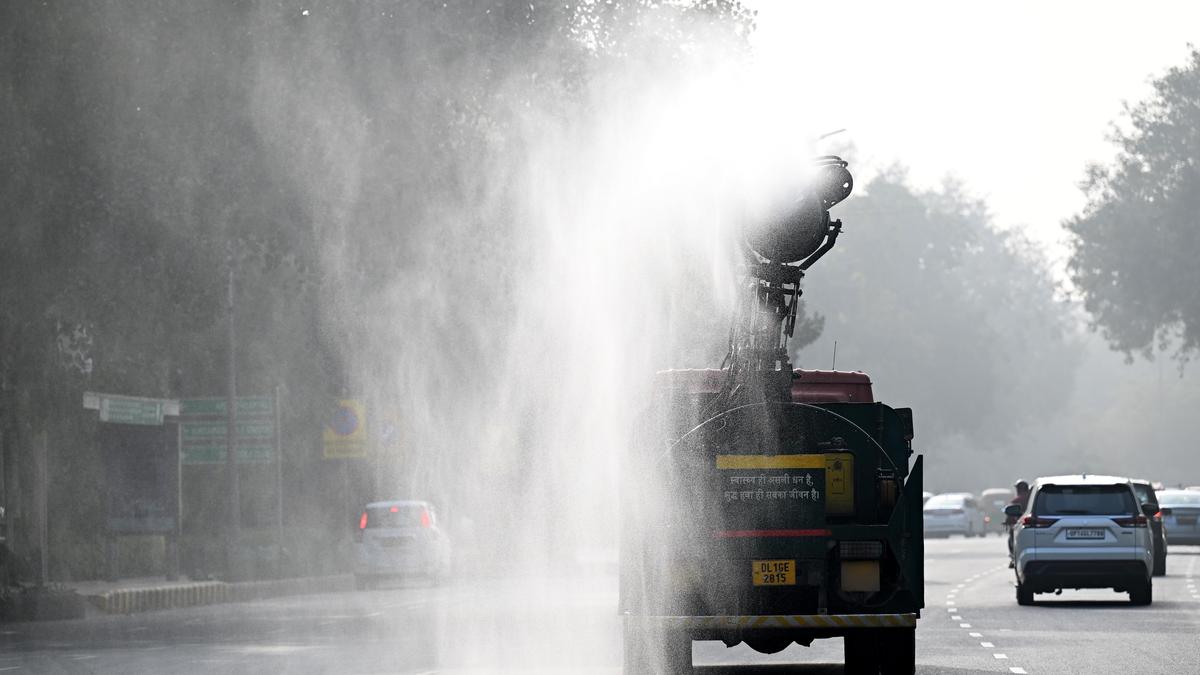

Delhi is currently facing a grave air pollution crisis, as highlighted by the Air Quality Index (AQI) reaching a staggering 439 early Sunday morning, January 18, 2026. This alarming figure, recorded at 7 a.m. by the Central Pollution Control Board (CPCB), underscores the severity of the situation, reflecting a further decline from the 432 AQI noted the previous night.
The persistence of high pollution levels has significant health implications, particularly for vulnerable populations such as children, the elderly, and individuals with respiratory or cardiovascular conditions. Many areas throughout the city reported dangerously elevated AQI levels, indicative of the widespread nature of the pollution problem. For instance, Anand Vihar recorded an AQI of 489, while other locations like Ashok Vihar, Bawana, and Chandni Chowk logged AQI readings of 463, 467, and 464, respectively.
In the context of the AQI classification, readings can be categorized as follows: 0-50 is ‘good’, 51-100 ‘satisfactory’, 101-200 ‘moderate’, 201-300 ‘poor’, 301-400 ‘very poor’, and anything above 400 is deemed ‘severe’. The current figures pose serious health risks as they fall into the ‘severe’ category.
Compounding the crisis, dense fog enveloped large portions of the city, significantly impairing visibility. The India Meteorological Department (IMD) reported continued cold wave conditions with minimum temperatures hovering between 5 and 7°C, which are below normal levels. As a result, residents are experiencing not only health hazards due to polluted air but also challenges related to visibility and cold weather.
In light of these conditions, the Commission for Air Quality Management (CAQM) has taken decisive action by reinstating Stage-IV measures under the Graded Response Action Plan (GRAP) across Delhi and the National Capital Region (NCR). The CAQM Sub-Committee has unanimously elected to implement these measures to curb the deteriorating air quality, stating, “Keeping in view the prevailing trend of air quality and relevant factors, we have decided to invoke all actions under Stage-IV of the extant GRAP with immediate effect.” They emphasized the necessity for heightened preventive measures to combat rising pollution levels.
Authorities are urging residents to limit outdoor activities, adhere to health advisories, and take precautions against the hazardous conditions. With air pollution exacerbated by cold weather and persistent fog, it is crucial for citizens to prioritize their health and safety.
As Delhi grapples with these multifaceted challenges, collective efforts will be essential to restore air quality and protect public health in the city.
Original Source: https://www.thehindu.com/news/cities/Delhi/delhi-air-quality-minimum-temperature-aqi-grap-smog-updates-january-18/article70521166.ece
Category : Delhi
Tags:
Publish Date: 2026-01-18 08:58:00