
The Power of Battery Life: What OnePlus’s Turbo 6 Launch Reveals About Innovation
In an age where smartphones have become extensions of ourselves, the battle for supremacy often boils down to one crucial aspect-battery life. This is particularly illuminated by the recent announcement from OnePlus regarding the launch of its Turbo 6 series on January 8. With both the Turbo 6 and Turbo 6V boasting an impressive 9,000mAh battery-the largest ever offered by the brand-this development is more than a mere technical specification; it signifies a pivotal moment in mobile innovation.
Context: The Dawn of Longer Battery Lives
OnePlus has cleverly positioned the Turbo 6 series around its monumental battery capacity. This move aims not only to meet user demands for longevity and reliability, but also to challenge existing norms within the smartphone industry. According to early testing claims, the Turbo 6 reaches nearly 10 hours of usage on a single charge, even pushing close to nine hours under ultra-high intensity use. This paradigm shift in battery longevity dovetails with a growing trend in consumer behavior that increasingly prioritizes endurance alongside performance.
Implications: A Strategic Perspective
From an architectural standpoint, OnePlus’s development sheds light on several strategic considerations in Enterprise Architecture and product innovation.
-
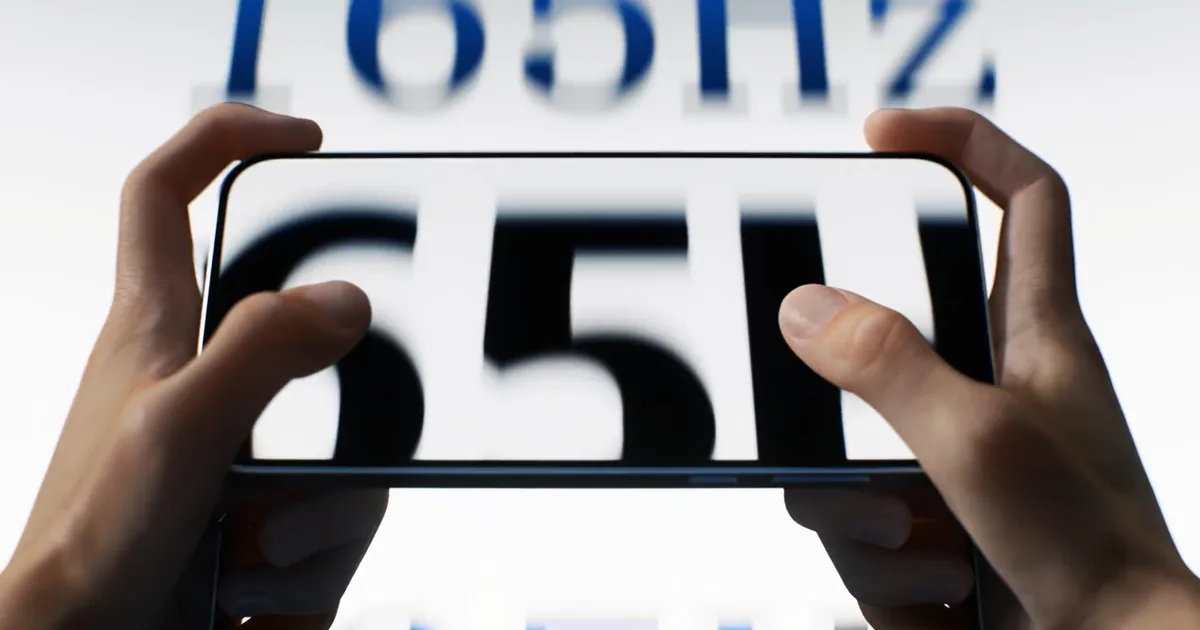
Scalability vs. Performance: While high-capacity batteries allow phones to support more intensive tasks, scaling the architecture to facilitate these capabilities requires finesse. Consumers expect not just longer battery life, but also enhanced performance that doesn’t compromise form factor or user experience. The Turbo 6’s pairing of the Snapdragon 8s Gen 4 with a high refresh rate display is an excellent example of balancing performance with usability.
-
Charging Infrastructure: As smartphone manufacturers boost battery capacities, the need for efficient charging solutions becomes critical. OnePlus has yet to provide details on charging speeds, but this will be key in shaping user adoption. Slow charging can negate the benefits of high-capacity batteries and become a bottleneck for user satisfaction.
-
Trade-offs in Design: The Turbo 6 and 6V have also tackled the balancing act of high performance and high design, featuring a stylish aesthetic alongside their impressive tech specs. This implies that manufacturers must consider user preferences not just for performance, but also for design-an essential factor for today’s consumers driven by brand loyalty and personal identity.
-
Consumer Insights and Analytics: The strategic use of user behavior data will be essential to refining battery performance claims and enhancing future product offerings. High-level analytics can help developers better understand real-world user patterns, enabling them to optimize battery technology and software.
Localization: The Broader Indian Context
Although these innovations make an impact on a global scale, they carry particular relevance for regions like Northeast India, where connectivity and infrastructure can vary drastically. In such geographies, robust battery life isn’t just a feature-it’s essential for reliability in environments where charging access could be sporadic.
The emphasis on low-latency, high-performance devices can inspire local startups to innovate within existing constraints. This may accelerate adoption of smartphone features even in regions with historically lower tech penetration. As businesses in these areas look toward mobile technology, the lessons learned from OnePlus’s approach can serve as a blueprint for future developments.
Takeaways
- Emphasis on Battery Life: Companies must continue to innovate around user demand for endurance, keeping battery life central to their design ethos.
- Future-Proofing: Manufacturers should anticipate future needs by creating scalable solutions that address both battery capacity and performance.
- User-Centric Design: A focus on the aesthetic value of devices can no longer be an afterthought; it must be intertwined with technical specifications.
- Localized Strategy: As regions like Northeast India expand their digital profiles, innovations in battery technology will be a critical enabler of economic and technological growth.
In conclusion, OnePlus’s Turbo 6 launch not only highlights a crucial technological advancement but also serves as a barometer for where the smartphone industry is headed. The interplay of battery life, performance, and design will ultimately redefine user expectations and drive future innovations.
About the Author
Sanjeev Sarma is the Founder Director of Webx Technologies Private Limited, a leading Technology Consulting firm with over two decades of experience. A seasoned technology strategist and Chief Software Architect, he specializes in Enterprise Software Architecture, Cloud-Native Applications, AI-Driven Platforms, and Mobile-First Solutions. Recognized as a “Technology Hero” by Microsoft for his pioneering work in e-Governance, Sanjeev actively advises state and central technology committees, including the Advisory Board for Software Technology Parks of India (STPI) across multiple Northeast Indian states. He is also the Managing Editor for Mahabahu.com, an international journal. Passionate about fostering innovation, he actively mentors aspiring entrepreneurs and leads transformative digital solutions for enterprises and government sectors from his base in Northeast India.