Unveiling Magic: How ‘Ellora After Dark’ Transforms India’s Cultural Tourism Through Immersive Heritage Experiences

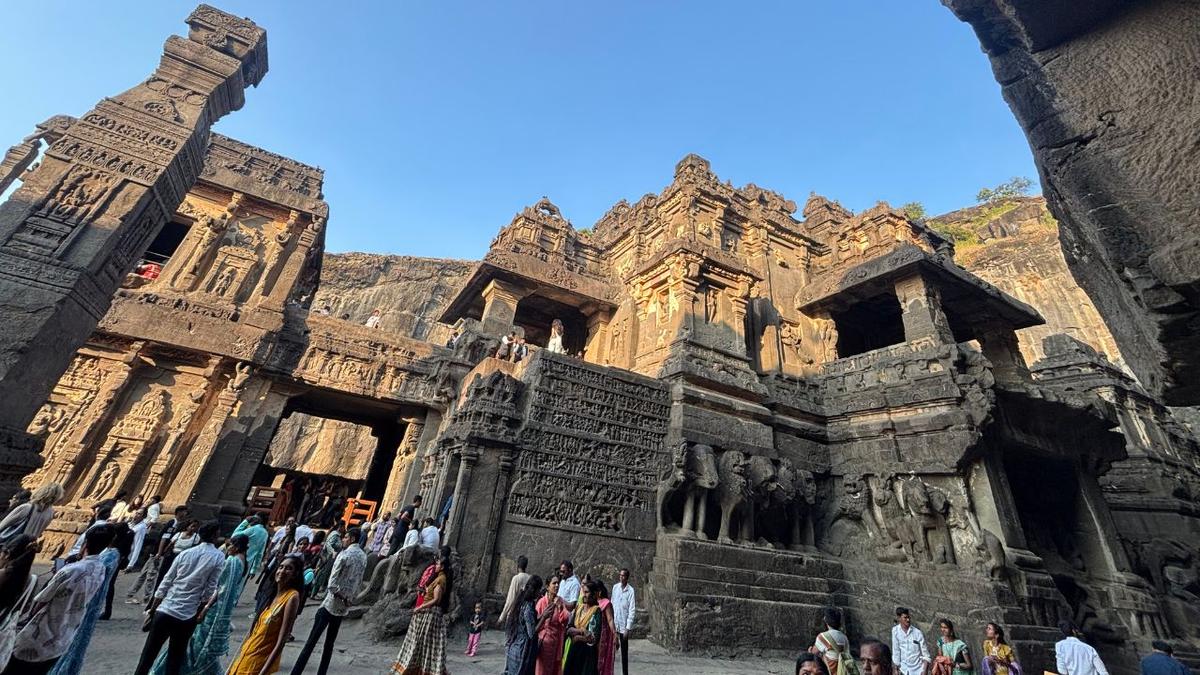
On a crisp November evening, the illuminated façade of the eighth-century Kailasa temple in Ellora transformed into a vibrant canvas, showcasing large murals and sculptures that tell the tales of Hindu, Buddhist, and Jain traditions. The spectacle was elevated by Delhi-based author-historian William Dalrymple, who brought to life a rich tapestry of history that connects India to Java, reflecting Southeast Asia’s historical significance. The event also featured a musical homage to the 1967 UN General Assembly concert by Pandit Ravi Shankar and Yehudi Menuhin, performed by Pandit Shubhendra Rao and his Dutch cellist wife, Saskia Rao-de Haas.
This cultural extravaganza, part of the 80th anniversary celebrations of the United Nations, took place at the UNESCO World Heritage-designated Ellora caves, which achieved this status alongside the Ajanta caves in 1983. The AIKYAM 2025 event showcased performances from international artists across seven nations, drawing in diplomats and ambassadors from over 36 countries. Attendees were also introduced to Maharashtra’s rich culinary offerings and traditional arts, including the intricate Himroo fabric and Paithani saris.
Dr. Scott Robert Hearnden, an international researcher from Australia, highlighted the evolution of immersive experiences in India during his visit to Chhatrapati Sambhajinagar for a curated heritage tour. Upon arrival, he was greeted in a traditional manner, with local music and dance enhancing his welcome. A basket filled with local delicacies and handcrafted artifacts exemplified the cultural richness he experienced. Hearnden noted the dramatic transformation in the immersive offerings available to visitors over the past two decades but emphasized the need for more accessible, authentic experiences.
Despite the allure of the Ajanta and Ellora caves, which showcase remarkable rock-cut Buddhist monuments and the world’s largest human-made monolithic sculpture, attracting international tourists remains a challenge. The primary reasons include inadequate infrastructure, the absence of quality accommodations nearby, and logistical issues such as poorly maintained roads and limited amenities. Dalrymple pointed out that these sites hold immense historical significance and, with improved infrastructure and marketing, could draw visitors from diverse regions.
Spain’s Ambassador to India, Juan Antonio March, echoed this sentiment, emphasizing India’s cultural heritage as a form of “soft power.” UNESCO representative Tim Curtis praised the architectural brilliance of the caves, stating they encapsulate humanity’s collective heritage. He also highlighted the importance of the UNESCO World Heritage Convention in protecting such sites while ensuring their ongoing preservation and promotion.
As cultural tourism trends lean towards unique, immersive experiences, India is positioned to attract discerning travelers. Reports suggest the cultural tourism market is set to grow significantly in the coming years, with technology playing a crucial role in enhancing visitor engagement. The AIKYAM 2025 initiative aims to elevate the visibility of these historic sites on the international tourism map, urging the government to prioritize their upkeep to improve accessibility and appeal.
In conclusion, the Ellora Caves stand as a testament to India’s incredible cultural legacy and potential for tourism. With concerted efforts toward enhancing infrastructure and promoting authentic experiences, these ancient sites could transform into sought-after destinations that attract global attention.
Original Source: https://www.thehindu.com/society/history-and-culture/ellora-immersive-heritage-tourism-aikyam-2025-sopaan/article70398993.ece
Category : History & Culture
Tags:
Publish Date: 2025-12-24 14:27:00