Empowering Democracy: Evaluating the Inclusivity of the Election Commission of India’s Special Revision Exercise

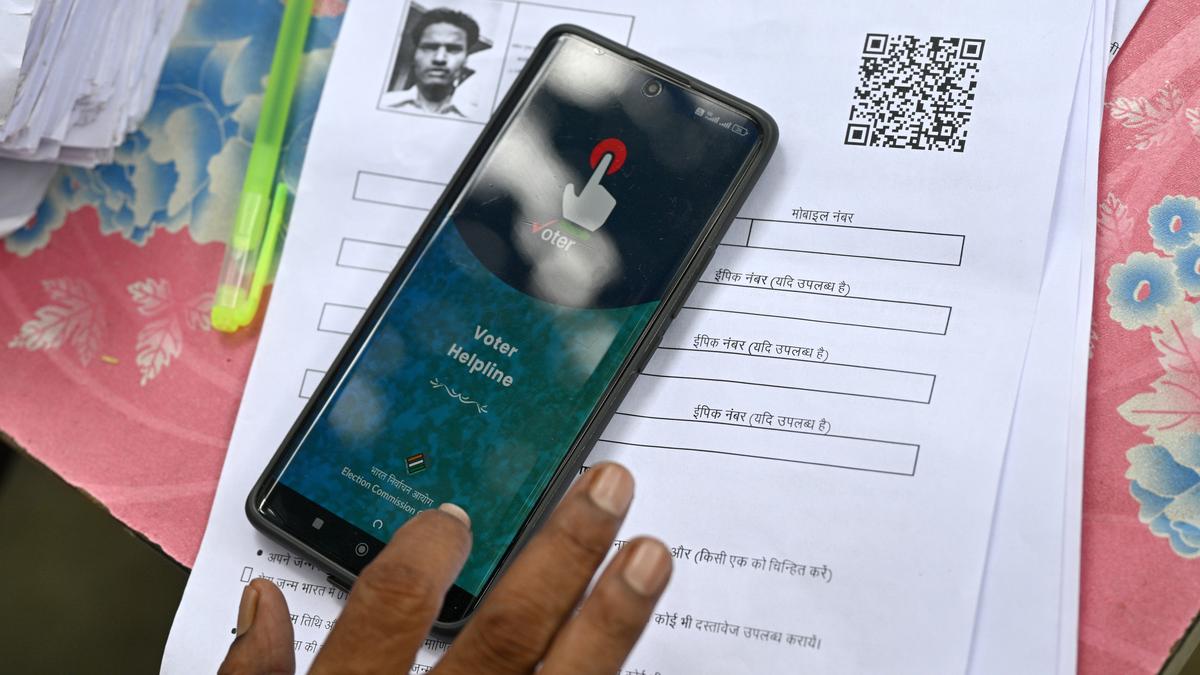
The ongoing special intensive revision (SIR) of electoral rolls in Bihar has sparked a significant debate around the verification process for voter registration. Central to this discussion is the proposed requirement for identity and citizenship proof-especially birth certificates. While the Election Commission asserts that its document demands are reasonable and that many voters possess at least one required document, critics warn that such processes might exclude a considerable number of eligible voters. This concern is heightened as plans are considered to extend the SIR initiative to other states.
Understanding the existing access to documentation among voters is vital to assess inclusivity during the SIR. In India’s diverse socio-economic landscape, the ability to obtain necessary documents varies greatly due to factors like administrative efficiency and public awareness. A study by Lokniti-CSDS covering states such as Assam, Kerala, Madhya Pradesh, Uttar Pradesh, and West Bengal reveals critical insights into the documentation landscape. Alarmingly, only 36% of respondents were aware of the SIR initiative and its documentation requirements. Notably, over half lacked a birth certificate, while many also did not possess domicile or caste certificates. For citizens born after 1987, the task becomes more complicated, requiring proof of citizenship from at least one parent.
Data suggests a stark reality: approximately 5% of respondents have none of the 11 documents mandated by the Election Commission. This “No Document Citizens” category reveals alarming socio-economic disparities, as three-fourths of those without documentation belong to lower-income brackets, with significant representation from Scheduled Castes (SC) and Other Backward Classes (OBC).
The study highlighted vast discrepancies in document availability across states. For instance, Madhya Pradesh sees only 11% of respondents possessing a birth certificate-indicative of major documentation gaps. Meanwhile, states like Delhi and West Bengal report higher possession rates at 44% and 49%, respectively. Even among households, the proportion of adults with birth certificates remains dismal. In Madhya Pradesh, only 2% of households reported that all adult members possess the document.
As states grapple with documentation hurdles, the potential for disenfranchisement looms large. In Kerala, 40% of respondents expressed doubt about their ability to obtain a birth certificate, with similar sentiments echoed in Madhya Pradesh and even in states like Delhi. Amidst these statistics, access to foundational documents like the Secondary School Certificate (SSC) presents additional challenges, showcasing widespread shortages across various demographics.
The survey findings underline a critical issue: without resolving the complexities surrounding document access, the SIR could inadvertently lead to the exclusion of legitimate voters from the rolls. The analysis suggests that the capacity of state authorities and the historical context of record-keeping heavily influence these dynamics. Current processes risk removing eligible citizens from electoral rolls simply because they cannot supply the required documents, which may be especially true for marginalized groups.
As India continues to refine its electoral system, the challenge of ensuring inclusivity without compounding bureaucratic obstacles must remain at the forefront. Effective electoral roll cleansing is essential; however, it must not jeopardize the democratic rights of those who deserve representation. The path forward demands proactive measures by government authorities to facilitate access and ensure the participation of all citizens in the democratic process.
This discourse highlights the necessity of thoughtful policy considerations to ensure that the integrity of electoral rolls does not come at the expense of exclusion for large segments of the population. As India seeks to uphold its democratic values, the resolution of these documentation disparities will play a pivotal role in shaping fair and equitable elections.
Original Source: https://www.thehindu.com/news/national/how-inclusive-is-the-election-commission-of-indias-special-revision-exercise/article69934571.ece
Category : India
Tags:
Publish Date: 2025-08-16 06:00:00