Empowering Lives: Tamil Nadu Expands Japanese Encephalitis Vaccination to Safeguard Seven More Districts!

Tamil Nadu is ramping up its Japanese Encephalitis (JE) vaccination efforts as the Health Department announces the extension of its immunization campaign to seven additional districts: Kancheepuram, Chengalpattu, Tirunelveli, Tenkasi, Vellore, Nagapattinam, and the state capital, Chennai. The initiative aims to combat the Japanese Encephalitis virus, primarily spread by mosquitoes, particularly the Culex tritaeniorhynchus species. Despite the rarity of symptomatic cases, the World Health Organization warns that the fatality rate for those afflicted with encephalitis can soar as high as 30%. Alarmingly, approximately 30% to 50% of survivors face ongoing neurological, cognitive, and behavioral challenges.
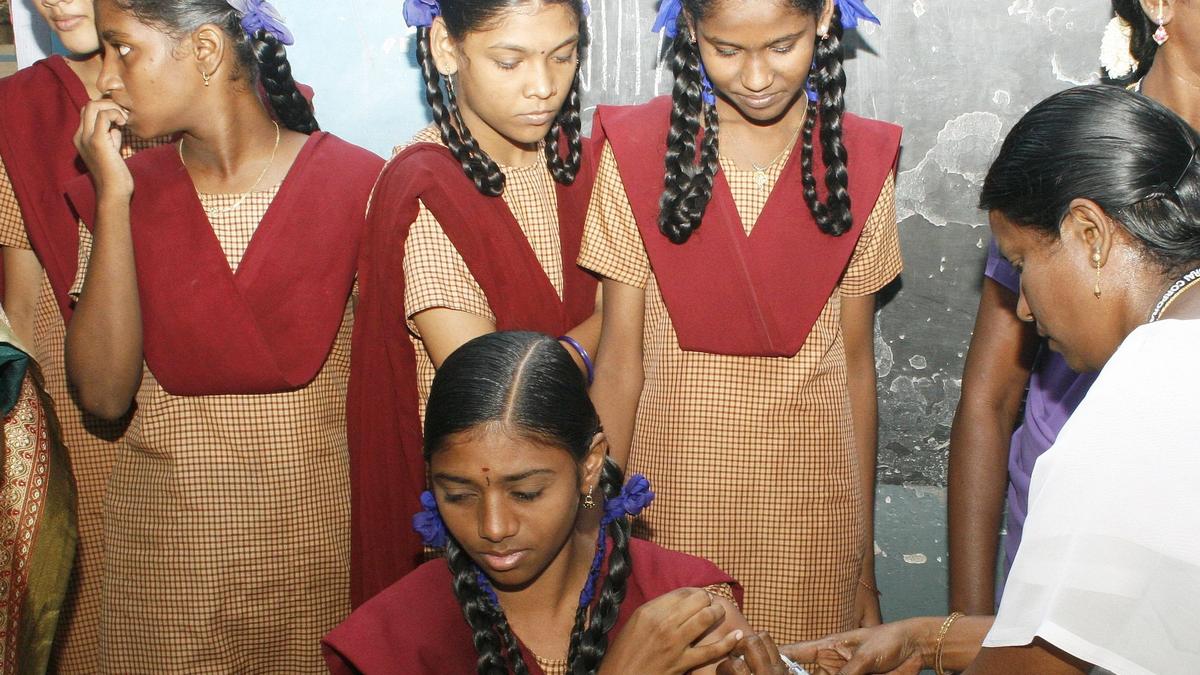
Previously, 14 districts-Cuddalore, Villupuram, Kallakurichi, Virudhunagar, Tiruchi, Tiruvarur, Madurai, Perambalur, Ariyalur, Thanjavur, Tiruvannamalai, Karur, Pudukkottai, and Tiruvallur-were identified as endemic zones for JE. The vaccination campaign in these areas has already seen participation from over 5.8 million individuals. With the expansion to the new districts, camps will be set up at both government and private schools, along with Anganwadi centers, to ensure accessibility.
Health Minister Ma. Subramanian stated that this initiative will directly benefit approximately 3.2 million children aged 1 to 15 years, showing a proactive commitment to enhancing public health. T. S. Selvavinayagam, Director of Public Health and Preventive Medicine, emphasized that the program is responsive to emerging cases; vaccination efforts will intensify in regions reporting new infections to reduce infant and child mortality rates. Furthermore, he noted that the vaccines are provided free of charge by the Government of India.
Compounding concerns, a recent study conducted by Christian Medical College, Vellore, and the Directorate of Public Health and Preventive Medicine documented an alarming rise in JE cases from 2022 to 2024. Notably, more than five cases have been reported in districts beyond the established 14 endemic areas, including Chennai, Kancheepuram, Chengalpattu, and Tenkasi. Between January 2022 and December 2024, a total of 306 confirmed cases were recorded in Tamil Nadu, with a significant concentration in the 10-19 age group. Chennai accounted for the highest percentage of cases at 40.5%, followed by Tiruvallur at 8.2% and Tiruvarur at 6.2%. The study detailed a peak in cases in 2022, with 120 incidents, followed by 112 in 2023 and 74 in 2024.
The authors of the study, Regina Elizebeth Joy et al., published their findings in the Tamil Nadu Journal of Public Health and Medical Research. They called for increased vaccination coverage and monitoring, as well as targeted public health interventions tailored to specific geographic risks. The need for urban risk assessments and pre-monsoon preventive measures was also highlighted to mitigate future outbreaks.
As Tamil Nadu escalates its vaccination initiatives, the public is urged to stay informed and participate in upcoming immunization drives. Ensuring the community’s protection against JE is paramount as the state navigates a landscape marked by growing health concerns.
Original Source: https://www.thehindu.com/news/cities/chennai/tamil-nadu-expands-japanese-encephalitis-vaccination-to-seven-more-districts/article69748481.ece
Category :
Tags:
Publish Date: 2025-06-29 20:51:00