Urgent Call to Action: UN Rights Office Demands Swift De-escalation of Iran-Israel Crisis to Avert Humanitarian Catastrophe

Tensions escalated last Friday as Israel began targeting nuclear and military sites across Iran, leading to significant retaliatory strikes on Israeli cities. The United Nations Human Rights Office responded by emphasizing the urgent need for de-escalation and diplomatic negotiations to halt the ongoing violence. “We are closely monitoring the situation and aware that many thousands of residents are fleeing parts of Tehran due to widespread warnings,” noted Ms. Al-Nashif, underscoring the humanitarian crisis unfolding in the Iranian capital.
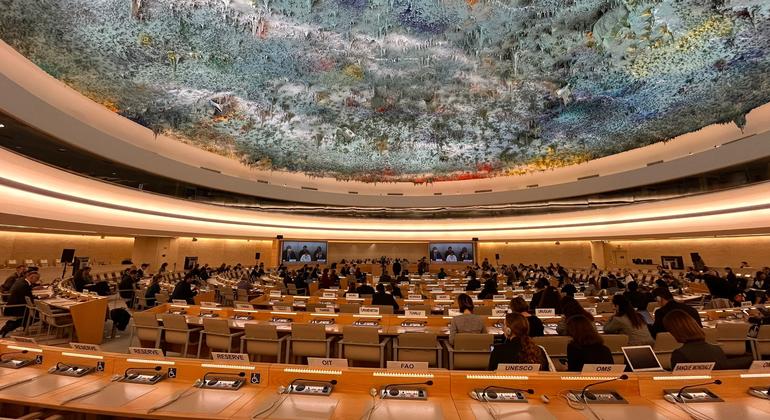
As the conflict rages on, reports indicate that over 200 individuals have lost their lives in Iran, while 24 casualties have been confirmed in Israel. During a scheduled meeting at the Human Rights Council in Geneva focused on Iran’s human rights record, Deputy High Commissioner for Human Rights echoed serious concerns regarding the impact of these attacks on civilian populations. “It is imperative that both sides fully respect international law, ensuring the protection of civilians in densely populated areas and civilian infrastructure,” she stated. The Deputy High Commissioner urged influential parties to prioritize negotiations to secure peace.
In a related development, the International Atomic Energy Agency (IAEA) reported significant damage to two Iranian centrifuge production facilities due to the Israeli strikes. The TESA Karaj workshop and Tehran Research Center were specifically targeted, resulting in the destruction of buildings responsible for manufacturing and testing advanced centrifuge rotors and components. This development raises critical concerns about the implications for nuclear safety and regional stability.
Iran’s Permanent Representative to the UN, Ambassador Ali Bahreini, vehemently condemned the Israeli strikes, describing them as the worst violation of sovereignty since June 13. He referred to “continuous blind attacks” on residential areas, the bombardment of vital supplies, and strikes on nuclear facilities, asserting that these actions are directly affecting Iranian civilians. Noting the potential dangers, he stated that the deliberate targeting of nuclear facilities could expose local communities to hazardous leaks, framing the situation as “not an act of war against our country, but a war against humanity.”
In his address to the council, Bahreini called for accountability and international condemnation of the Israeli actions, emphasizing that “this impunity must come to an end.” He argued that such aggressive maneuvers do not only threaten Iran but are an affront to humanity as a whole, with significant implications for human rights.
As the situation evolves, the international community remains on high alert, calling for immediate dialogue in hopes of averting further escalation and addressing the humanitarian crisis. With thousands displaced and increasing casualties, the urgency for diplomatic engagement has never been more critical, reflecting a dire need for peace in a region fraught with tension.
The stakes are high, as both sides face pressure to comply with international law and protect their civilian populations while navigating the volatile landscape of their ongoing conflict. As news continues to unfold, the calls for negotiation and a ceasefire echo louder, highlighting the essential next steps toward restoring stability and safeguarding human rights in the region.
Original Source: https://news.un.org/feed/view/en/story/2025/06/1164526
Category :
Tags:
Publish Date: 2025-06-18 17:30:00