Unveiling the Secrets: The Heart-Pounding Journey of Underwater Submarine Filmmaking!

Tom Cruise, our fearless modern-day cinematic gladiator, first dipped his toes into the treacherous waters of filmmaking with his underwater scene in “Legend” (1985). Fast forward to 2014’s “Edge of Tomorrow” and the tension-soaked depths of “Mission: Impossible – Rogue Nation” (2015), where the actor famously held his breath for an impressive six-and-a-half minutes. Yet, behind the glamour, director Christopher McQuarrie revealed on the Filmmaker Toolkit podcast that he and Cruise emerged from “Rogue Nation” feeling anything but satisfied with their underwater escapades.
“Filming in water is a real beast,” McQuarrie candidly confessed. He boldly swore off future underwater scenes, citing the staggering time constraints that limited them to a mere six setups per day. The difficulties didn’t end there; McQuarrie lamented that their heavy reliance on visual effects for underwater sequences made achieving the intended impact all the more elusive.
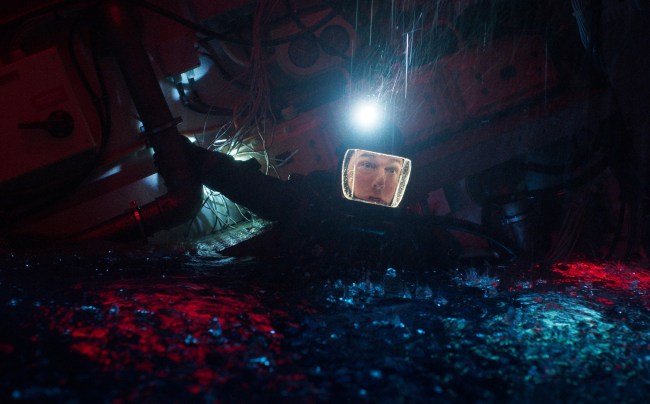
Determined to up their game, McQuarrie and Cruise harnessed their hard-earned lessons from “Rogue Nation” while constructing the thrilling premise for their upcoming “Mission: Impossible – The Final Reckoning.” In this pulse-pounding story, Ethan Hunt must brave the icy depths of the Bering Sea to infiltrate the secret Russian submarine, The Sevastopol, and thwart the AI villain, The Entity.
“We’re all about practical effects,” asserted McQuarrie. The duo aimed to ditch the screens and CGI of the past-determined to bring raw authenticity to the thrilling plunge.
The crown jewel of their audacious vision came with McQuarrie taking the plunge himself. He mastered scuba-diving, revolutionizing the entire underwater direction process. By increasing shoot days from ten to 22, they catapulted the daily setup ability from six to a whopping 22. “It’s like trying to fix a pocket watch while wearing boxing gloves!” McQuarrie quipped, showcasing the challenges of underwater direction.
Crafting this monumental set was no small feat. They scratch-built an enormous, 1,000-ton rotating gimbal in a colossal tank that took 15 days to fill and over two years to construct. This wasn’t just about pristine cinematography; it was a dangerous ballet of tech and adrenaline.
With potential hazards lurking beneath the glimmering surface, McQuarrie and stunt coordinator Wade Eastwood faced real risks. As Cruise battled both the currents and the deadly props, McQuarrie admitted, “You lose sight of Tom, and that’s when the heart truly races.” Their collaboration evolved into a tight-knit camaraderie of trust, laughter, and nail-biting tension, proving once again that in the wild world of filmmaking, nothing is ever quite as it seems.
For all the compelling behind-the-scenes gossip and jaw-dropping revelations, listen to McQuarrie’s full interview on the Filmmaker Toolkit podcast-available wherever your favorite podcasts reside.
Original Story https://www.indiewire.com/features/craft/mission-impossible-8-how-they-shot-underwater-submarine-1235130251/
Category :
Tags: