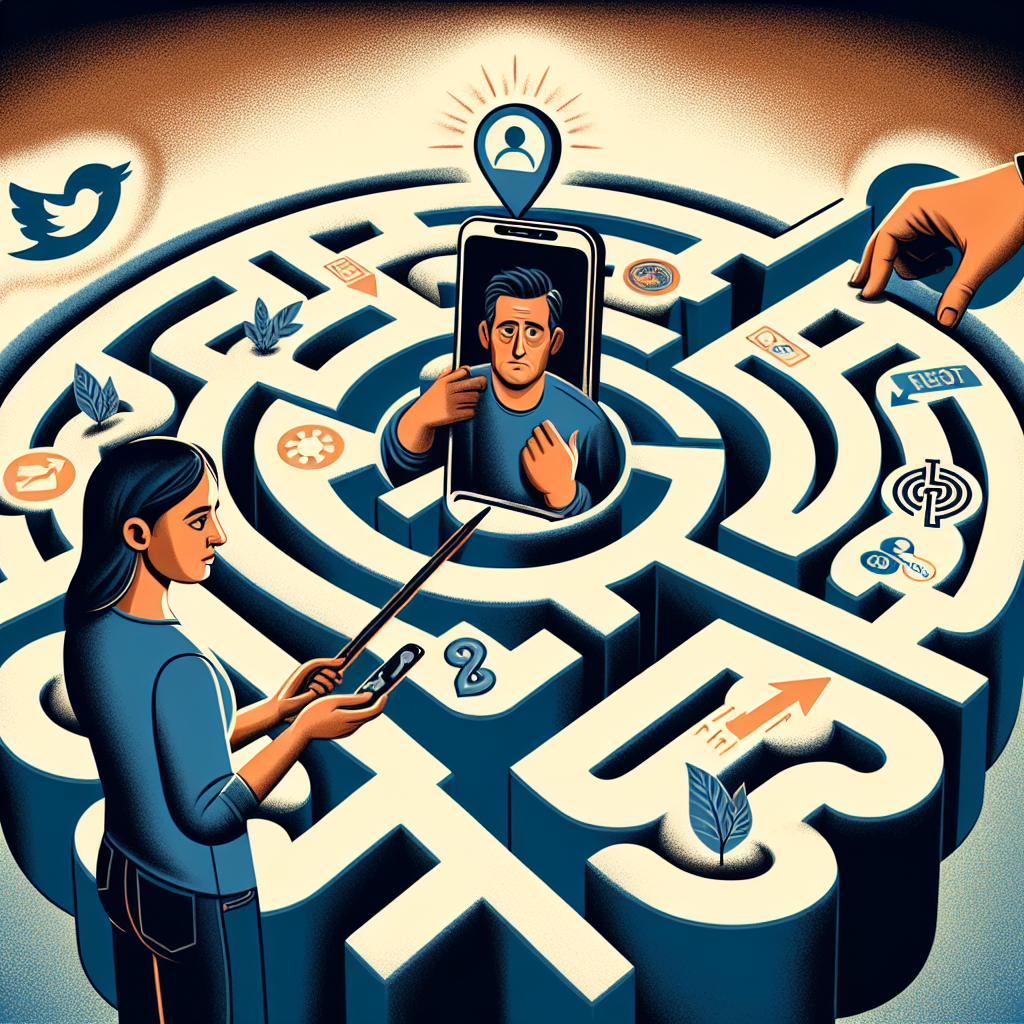
Navigating Mental Health: The Impact of Social Media on Connection and Isolation

Scrolling through social media on a lazy Sunday afternoon, you pause at a post from an old friend. It’s a picture-perfect shot of their new apartment, complete with carefully curated decor that screams, “Look at me!” You smirk—because you know this isn’t what life really looks like for most of us. Yet, an unsettling thought creeps in: “Am I doing enough?” Sound familiar? This kind of comparison isn’t new, but it’s amplified in the digital age, leaving many of us wondering if social media is bringing us closer together or driving us into isolation.
The truth is, social media can be a double-edged sword. On one hand, it’s a powerful tool for connection. For instance, consider how, during the pandemic, communities rallied thousands of miles apart through platforms like Instagram and Facebook. People shared tips, support, and even laughter, reminding us that we were not alone in our struggles. Yet, these virtual connections often feel ephemeral. They can leave you with lingering questions: Are these likes and comments genuine? Am I truly seen, or just a collection of pixels on a screen?
Research highlights this paradox. A study published in the "American Journal of Preventive Medicine" indicates that heavy social media use correlates with feelings of loneliness and depression. While scrolling through a curated feed of friends’ highlights, it’s easy to forget the reality behind those carefully chosen snapshots. This relentless barrage of seemingly perfect lives can generate a sense of inadequacy, while we’re left questioning our own reality.
Take the recent example of a young entrepreneur in the Northeast, let’s call her Meera. Ambitious and talented, she excelled in her startup ventures and built a decent following online. Yet, as her followers grew, so did her anxiety. Instead of support, she often felt more alone, trapped in a cycle of showcasing success while navigating her own challenges. With her friends’ lives appearing polished and effortless online, she began doubting her own worth and place in the world. It was only when she bravely shared her struggles in a candid post that her followers responded with overwhelming empathy. Suddenly, the walls between “perfect” and “real” started to blur, connecting her to people who faced similar battles.
So, what’s the takeaway here? First, recognize the difference between connection and validation. Social media can foster genuine interactions, but that doesn’t mean every interaction is rooted in reality. An easy way to combat this is to curate your feed. Follow accounts that emphasize authenticity over aesthetics. Seek out voices that resonate with your everyday experiences—those that share not just success, but also the mess and the chaos.
Secondly, consider taking regular digital detoxes. Allow yourself space to breathe and connect with the real world. Offline interactions—be it a coffee with a friend or a walk in the park—can often nourish the soul in ways that scrolling through screens never will. This isn’t about shunning social media entirely; it’s about redefining your relationship with it.
Lastly, don’t shy away from speaking your truth, like Meera did. Sharing your challenges can create unexpected connections and foster a sense of belonging that mere likes and shares can’t replicate. You’ll find that most people are longing for the same kind of authenticity, both online and offline.
As we navigate this digitally dominated landscape, let’s aim for a balance where we harness the strengths of social media—connection, community, and creativity—without losing ourselves in the facade it can often present. After all, it’s not about competing in the race for the perfect life; it’s about finding joy and connection in our beautifully imperfect journeys.
Author Profile: Sanjeev Sarma
Sanjeev Sarma is the Director of Software Services and Chief Software Architect at Webx Technologies Private Limited. A technology enthusiast and emerging thought leader, he explores the intersection of AI, cybersecurity, and real-life experiences, blending his Northeast Indian perspective with a relatable narrative. When he isn’t crafting innovative software solutions, he enjoys sharing insights that illuminate the often complex relationship between technology and daily life.