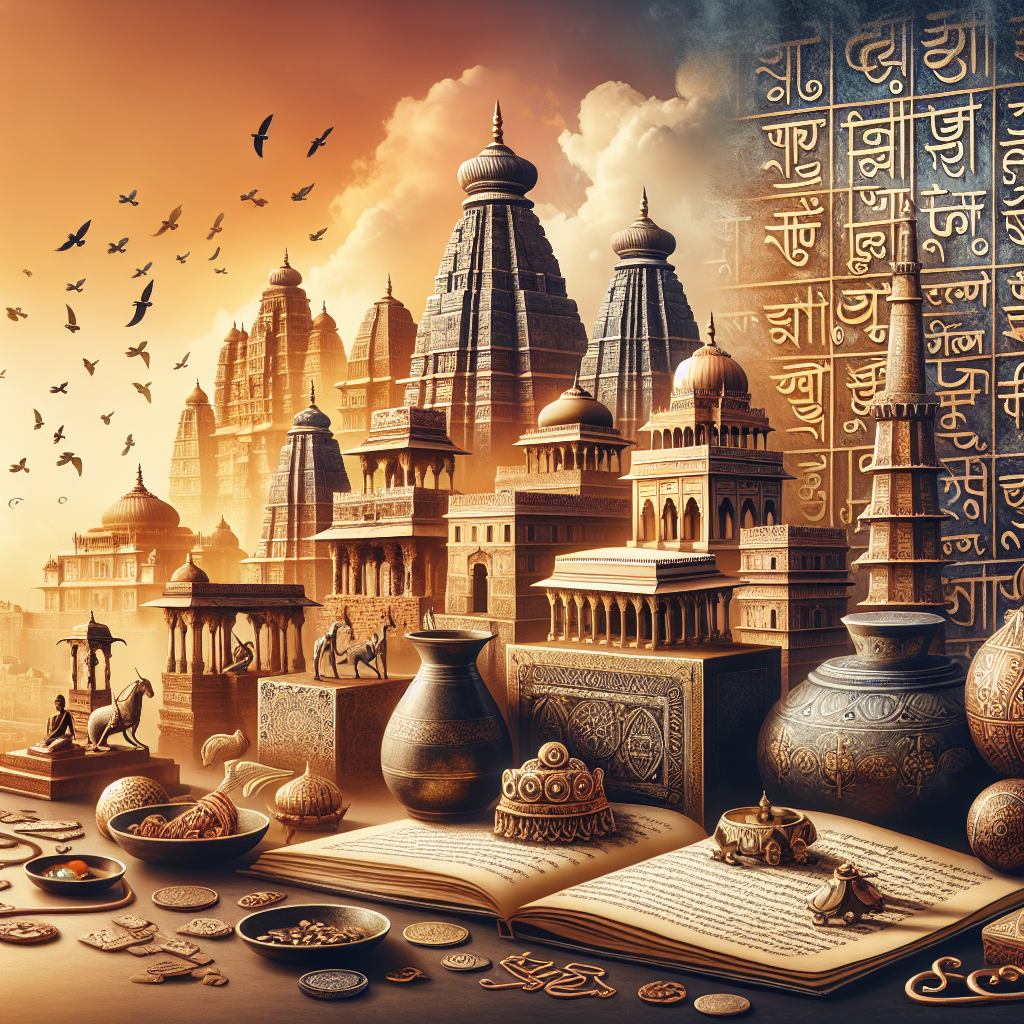
Discover India’s Timeless Treasures: Unveiling Hidden Historical Wonders

Whispers of the Past: Unearthing India’s Hidden Historical Gems
India, a subcontinent rich in culture and history, remains an enigma filled with hidden treasures just waiting to be discovered. While many flock to iconic landmarks like the Taj Mahal or Hampi, numerous lesser-known sites offer glimpses into the region’s diverse heritage. The beauty of these hidden gems lies not just in their physical allure but in the stories they tell about India’s dynamic past.
Take, for instance, the town of Mandu in Madhya Pradesh. Once a thriving fortress city, Mandu boasts stunning architecture, including the Jahaz Mahal, which appears to float on the water. Its intricate carvings and stories from the reign of the Malwa Sultanate create a historical tapestry that enriches our understanding of the region. Visiting these sites is not merely about sightseeing; it’s about immersing oneself in the narratives that shaped India.
Similarly, the remote village of Kuldhara near Jaisalmer evokes tales of resilience and survival. An abandoned village that was once home to the prosperous Paliwal Brahmins, Kuldhara’s deserted streets whisper stories of a community that left behind a thriving life rather than submit to oppression. This site serves as a poignant reminder of how communities adapt to change and how history is often marked by resilience in the face of adversity.
Exploring places like Kuldhara and Mandu invites you to reflect not only on their histories but also on the broader themes of migration, conflict, and cultural exchange that have characterized Indian history. As modern technology facilitates access to these sites, virtual tours and augmented reality experiences are emerging as innovative ways to connect with history, making it easier for professionals and enthusiasts alike to engage with India’s past from the comfort of their homes.
Moreover, initiatives like the Archaeological Survey of India’s (ASI) recent efforts to digitize historical records play a crucial role in preserving narratives that can often be overlooked. This digitization effort also emphasizes the importance of local storytelling—communities around these hidden gems are increasingly becoming custodians of their history, ensuring that their narratives are preserved for future generations. Engaging with these local communities not only enriches our understanding but also fosters a sense of responsibility toward maintaining these spaces.
Take, for example, the annual festival held at the ruins of the abandoned city of Fatehpur Sikri. This festival revives local folklore and traditions, bringing together storytellers and history enthusiasts. It’s a fantastic opportunity for professionals in education and tourism to engage deeply with the community while promoting awareness of these significant cultural sites. Such initiatives exemplify the interconnectedness of tourism, education, and community resilience.
Let’s not overlook the potential of digital platforms to promote lesser-known sites. Social media has become a powerful tool for influencing travel preferences. Platforms like Instagram and TikTok can showcase the unique charm of these hidden gems, attracting younger audiences who seek authentic experiences over conventional tourism. By collaborating with local historians and influencers, businesses can create compelling narratives that entice more travelers to explore India’s extensive cultural heritage.
As professionals, there’s a profound opportunity to become advocates for these hidden gems through content creation, tourism development, and educational endeavors. Consider organizing workshops that blend technology with history, offering engaging learning experiences that connect current technological advancements with ancient wisdom.
In this exploration of India’s hidden historical treasures, we not only celebrate our rich past but also inspire new generations to appreciate and preserve these legacies. The whispers of the past hold invaluable lessons for today, and by embracing this knowledge, we can foster a deeper understanding of our heritage and its relevance in shaping our future.
Author Profile: Sanjeev Sarma is the Chief Software Architect at Webx Technologies, where he harnesses the power of technology to drive innovation. An IT enthusiast and emerging thought leader, Sanjeev focuses on Artificial Intelligence, Machine Learning, Cybersecurity, and Generative AI. His passion extends beyond technology to explore its impacts on various sectors, including education, tourism, and personal finance. With a keen understanding of digital transformation, he aims to empower professionals through insightful content and actionable strategies. When he’s not immersed in tech, Sanjeev enjoys exploring India’s historical gems, bridging the gap between past and present to inspire a deeper appreciation for cultural heritage.