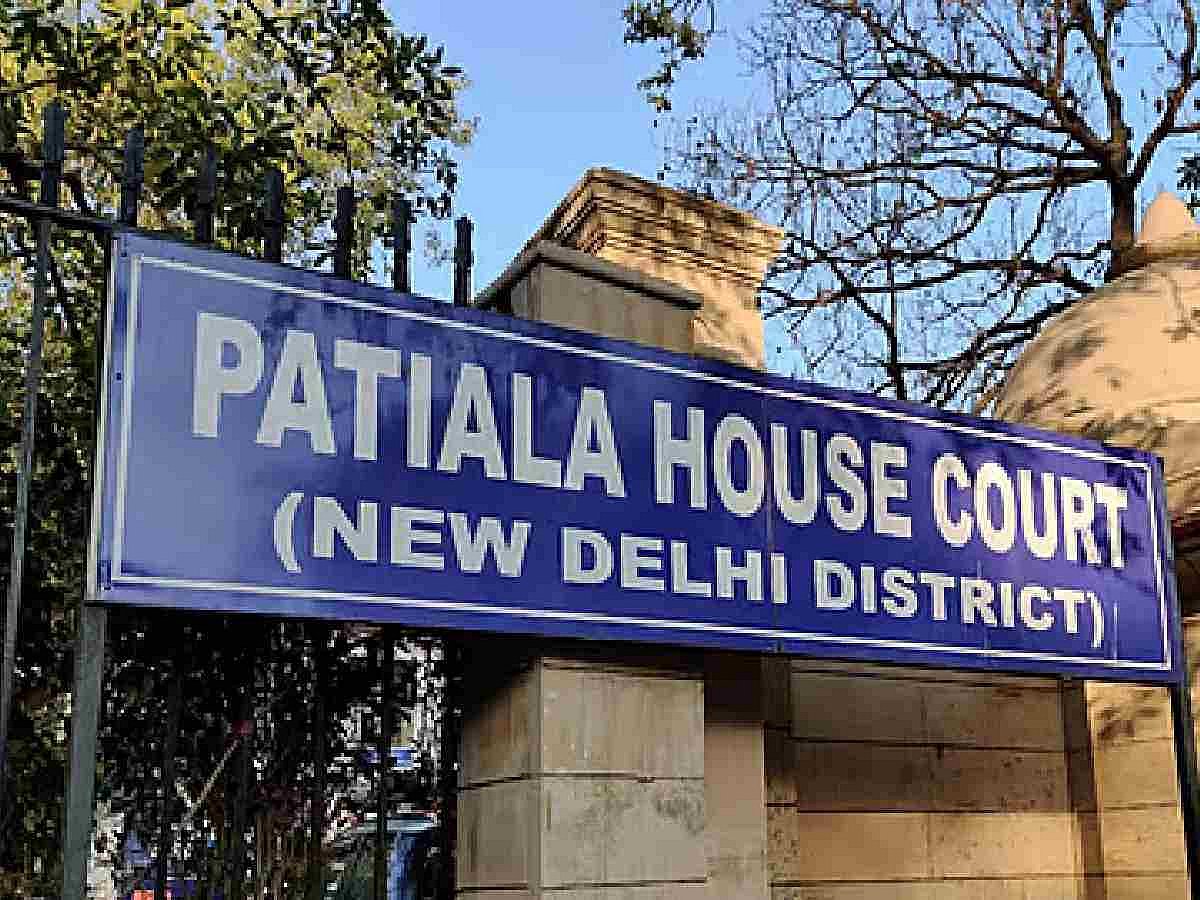

In a significant legal development, the Patiala House Court in New Delhi has denied a plea by Tahawwur Hussain Rana, a Pakistani-Canadian accused of terrorism, seeking to communicate with his family by phone. The dismissal, ruled by Special NIA Judge Chander Jit Singh, was justified by the ongoing investigation’s sensitivity. Rana, who was extradited from the United States to India, faces allegations of involvement in large-scale terror operations.
Rana’s attorney, Piyush Sachdeva, argued that as a foreign national, his client should be allowed to maintain contact with his family, emphasizing the fundamental human rights involved. The legal team expressed concerns over the distress Rana’s family is experiencing about his treatment while in detention. However, the National Investigation Agency (NIA) contested this request, apprehensive that Rana might divulge critical information through such communications.
The court’s decision aligns with measures to maintain the investigation’s integrity, having earlier this week issued a notice to the NIA after Rana’s application for family contact. The case’s gravity was notably highlighted during a remand hearing where evidence pointed to a widespread terror conspiracy, extending beyond India’s borders and implicating targets in different cities. This underscores the substantial implications for national security connected to the ongoing investigation.
Given the gravity of the charges against Rana—who has a background as a military doctor and alleged ties to terror activities—the court granted an 18-day police remand. This decision allows for Rana’s interrogation in adherence to stringent legal protocols, including necessary medical evaluations and care, as per the assurances given during his extradition process. Concerns about his health have prompted the court to mandate medical checks every 48 hours.
Rana stands accused under multiple charges framed by the Indian Penal Code (IPC) and the Unlawful Activities Prevention Act (UAPA), including conspiracy, terrorism, forgery, and waging war against India. The court has made it clear that any prosecution of Rana must adhere strictly to the conditions outlined in his extradition agreement. Indicating the case’s severe nature, the court referenced Sections 16 and 18 of the UAPA, which permit extending police detention beyond the typical limitations set by the Criminal Procedure Code (CrPC), due to the terrorism context involved.
As this case unfolds, it reinforces the delicate balance between national security interests and individual rights within legal frameworks. While defending national safety is paramount, the judicial system is tasked with ensuring accused individuals are treated justly as per legal norms and international assurances. With more revelations expected, this case remains a high-stakes scenario closely monitored by legal and security agencies, reflecting the broader challenge of combating global terrorism.
This article falls under the National News category, providing readers with an informative overview of the legal proceedings and the broader implications associated with this high-profile case. For more on related topics, readers are encouraged to explore further details and updates as they become available.
Original Source: https://www.sentinelassam.com/more-news/national-news/delhi-court-dismisses-tahawwur-ranas-plea-for-family-contact
Category : National News
Tags:
Publish Date: 2025-04-25 11:55:00