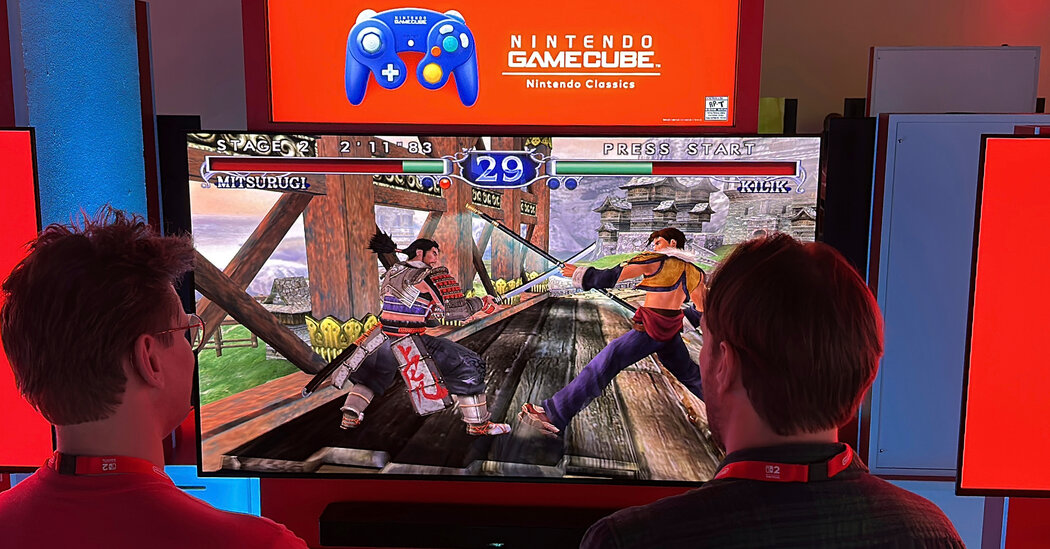

Nintendo enthusiasts had eagerly anticipated April 2 as a historic day for the gaming giant. The company proudly unveiled the price and launch date for the Switch 2, a much-awaited console eight years in development. In an exuberant event in New York City, Doug Bowser, president of Nintendo of America, introduced fans to upcoming game releases accompanying the console, including iconic titles such as Mario Kart, Donkey Kong, and Kirby.
However, the festive atmosphere shifted dramatically when former President Trump announced new tariffs that unsettled global stock markets and complicated Nintendo’s plans. With the Switch 2 manufactured in Vietnam, a country affected by the proposed tariffs, Nintendo was forced to re-evaluate its launch strategy. Within days, the gaming company announced a delay in pre-orders and hinted at a possible price increase from the originally set $450, though the extent remained uncertain.
In a surprising twist, Trump announced a 90-day delay on the expanded tariffs affecting Vietnam and other countries, leaving Nintendo in an uncertain position regarding pricing. This situation underscores the broader disruptions caused by fluctuating tariffs on technology manufacturers and the ambiguity consumers face regarding tech market dynamics.
Nintendo initially set a June release for the Switch 2 but had not clarified when pre-orders would resume or if there would be a price adjustment. Gamers were vocal on platforms like X and Reddit, directing their frustration more at Trump than at Nintendo, challenging the widespread sentiment of keeping politics separate from gaming. Jake Steinberg, a gamer from Philadelphia, expressed his reluctance to absorb potential price hikes, noting the irony of politics intruding into gaming.
Historically, Nintendo shifted its console manufacturing to Vietnam from China in 2019 to dodge trade tensions between China and the U.S. However, Trump’s recent tariff plans threatened to undermine those efforts with new tariffs on goods from several Southeast Asian countries. The 90-day reprieve, however, might allow Nintendo to boost production and stockpile inventory in the U.S., according to Michael Pachter, an analyst at Wedbush Securities.
Despite this temporary reprieve for Nintendo, most consumer electronics companies, including major players like Apple, rely heavily on Chinese manufacturing and face even steeper tariffs. It presents a precarious balancing act for Nintendo, as it considers whether raising the Switch 2 price could alienate gamers already hesitant about its $450 cost. Gaming consoles are a key gateway to software sales, which typically yield higher margins.
If tariffs proceed, analysts like Pachter speculate the Switch 2 price could climb by $100. Doug Bowser had initially claimed tariffs were not factored into the console’s launch price, though this stance faced skepticism given differing prices worldwide. In Japan, for instance, the Switch 2 is priced at $340, attributed to language restrictions.
Analyst Doug Creutz suggests Nintendo might wait out the tariff uncertainty before announcing new pricing, hoping Trump might retract the tariff expansion altogether. Internationally, pre-orders continue unabated, and existing U.S. inventory shipped pre-tariff totals nearly 746,000 units, offering short-term tariff immunity but looming long-term challenges.
This tariff turmoil underscores a broader dilemma facing all major technology companies. It poses a critical question for giants like Nintendo, Sony, Microsoft, and Apple as they navigate the delicate balance between pricing and profit margins amid complex international trade dynamics.
Original Source: https://www.nytimes.com/2025/04/10/technology/nintendo-switch-tariffs-trump.html
Category : Computer and Video Games,International Trade and World Market,Customs (Tariff),Prices (Fares, Fees and Rates),Nintendo Co Ltd,Trump, Donald J,Vietnam
Tags:
Publish Date: 2025-04-11 07:19:00