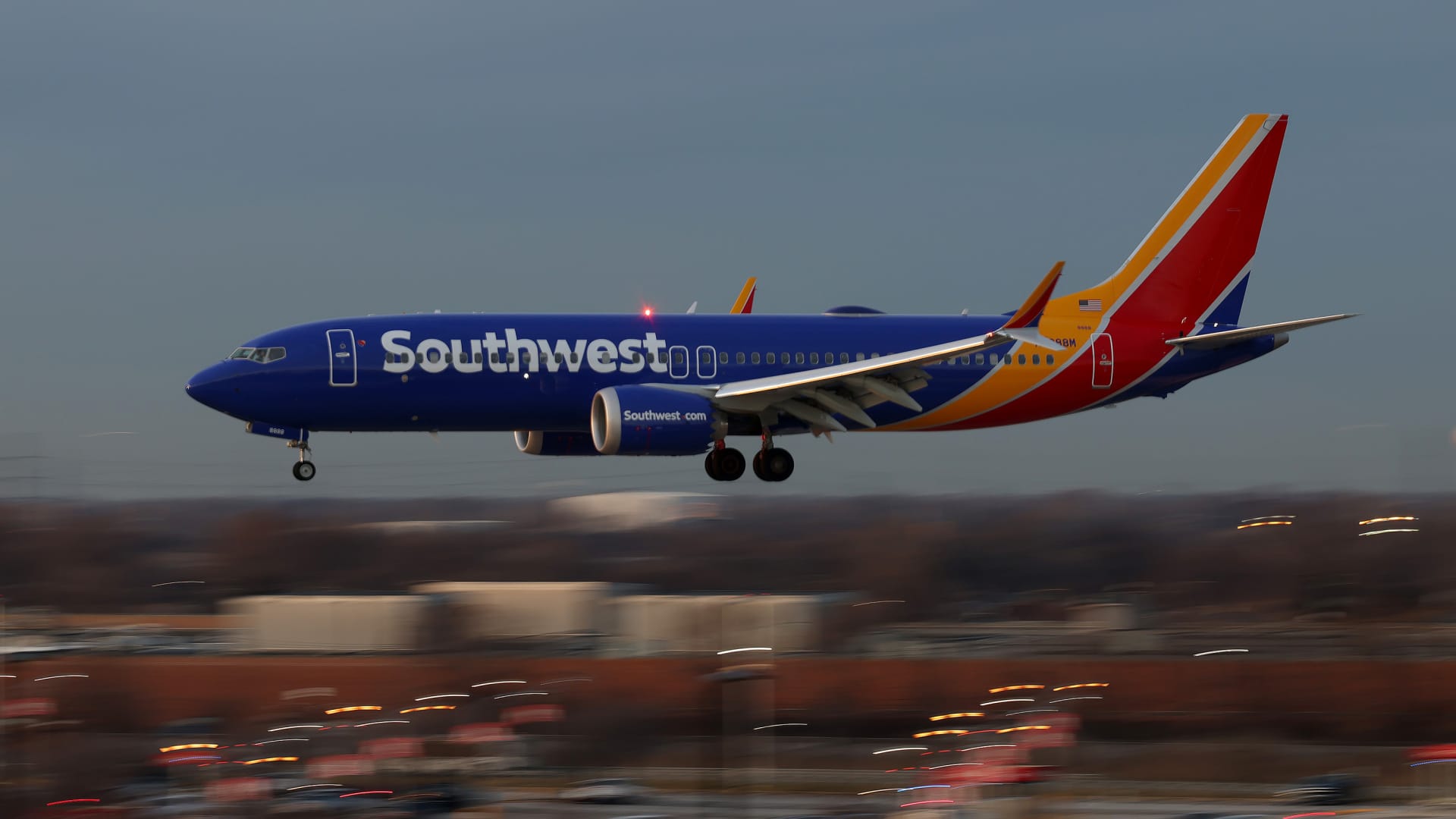

Southwest Airlines is making significant policy changes that could reshape its long-established business model, a move that Fitch Ratings warned might backfire. On Thursday, Fitch issued a negative outlook for the airline, which has seen steady financial stability over the years. This change in outlook comes as Southwest plans to introduce fees for checked baggage for the first time, ending its famed “bags fly free” policy as of May 2024. Notably, exceptions will be made for customers who hold a Southwest credit card, enjoy elite frequent flyer status, or purchase the highest-class tickets.
These changes are part of a broader strategy to boost profitability. In addition to baggage fees, Southwest will introduce assigned seating and a no-frills basic economy fare. The airline is also rolling out policies where flight credits will expire after a certain period, a shift from previous more lenient practices. Aware of the potential risks, Fitch Ratings cautioned that these modifications might weaken Southwest’s competitive edge in relation to its rivals. According to Fitch, “Items aimed at improving profitability such as the introduction of bag fees and expiring flight credits risk eroding Southwest’s competitive strengths relative to peers.”
The airline is a household name thanks to its strong balance sheet and customer-friendly policies—but these recent moves suggest a departure from its traditionally conservative capital and financial strategies. Such strategic changes could impact Southwest’s market position, especially as more consumers voice dissatisfaction. Social media platforms have seen a flurry of negative comments from customers, frustrated not just by the policy changes but by what they view as a corporate identity shift.
Moreover, Southwest is experiencing increased pressure to enhance its financial margins after activist hedge fund Elliott Investment Management acquired a stake in the airline. Elliott’s involvement led to a settlement last year that resulted in the hedge fund securing five seats on Southwest’s board of directors. This development underscores the external pressure facing the airline as it navigates uncharted territory with these policy revisions.
Despite Fitch’s cautionary outlook, any potential market share loss that Southwest might suffer remains uncertain. While Southwest declined to comment on Fitch’s new ratings outlook, industry observers are keenly watching how these changes will affect the airline’s loyal customer base and competitive positioning. For years, Southwest has attracted customers with its straightforward pricing and policies that shunned traditional airline fees. This latest pivot could signal a new chapter as the carrier attempts to appeal more broadly to different customer segments and improve its bottom line.
In the competitive world of air travel, where consumer preferences can shift rapidly and loyalty is hard-won, Southwest’s decisions are a gamble with potentially high stakes. The results of this strategy—whether a temporary backlash or a long-term decline—will undoubtedly serve as a pivotal moment for Southwest Airlines as it seeks to balance profitability with customer satisfaction in an evolving industry landscape. As the narrative unfolds, industry watchers and consumers alike will be focused on whether Southwest can maintain its brand essence while introducing changes perceived as contrary to its traditional ethos.
Original Source: https://www.cnbc.com/2025/04/03/southwest-airlines-bag-fees-and-other-changes-could-backfire-fitch-warns.html
Category :
Tags:
Publish Date: 2025-04-04 01:27:00