
India’s Pradhan Mantri TB Mukt Bharat Abhiyaan, launched in 2018, has been marred by significant ethical concerns. The program, which allows Niki-kshay Mitras to provide nutritional support to consenting TB patients, relies on patients sharing their data. However, the consent form’s lack of transparency and the program’s coercive nature raise serious questions about patient autonomy.
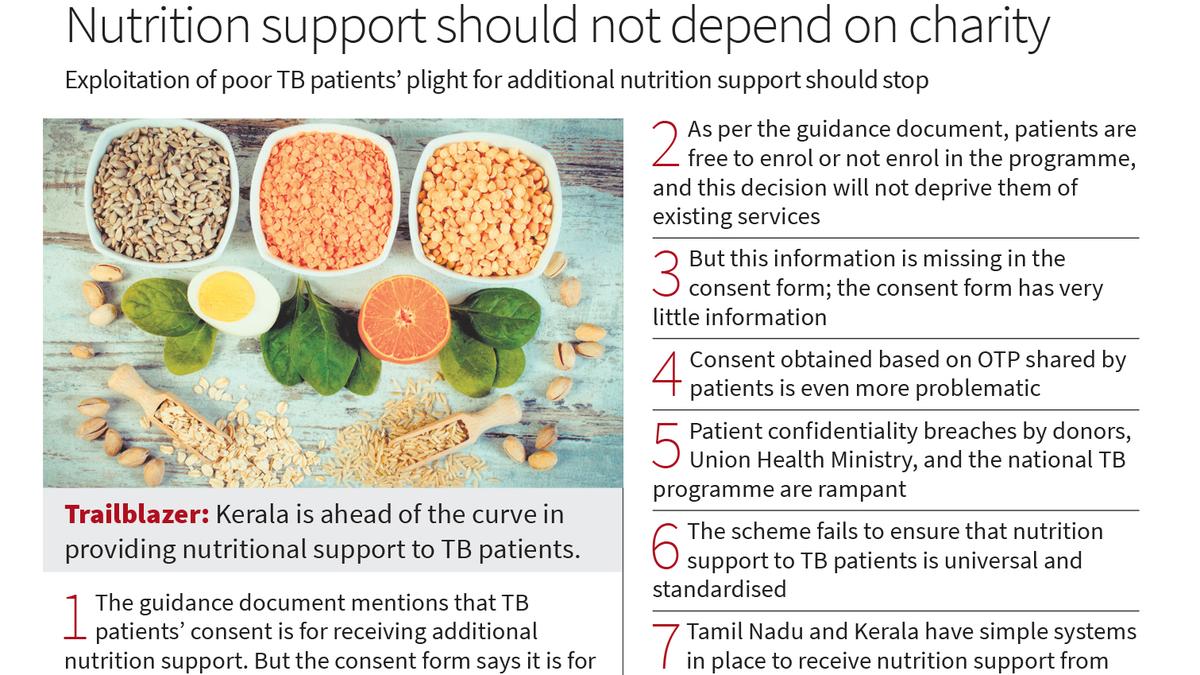
According to experts, the consent form is basic and fails to provide patients with vital information, such as the fact that they are “free to enroll or not enroll in the program, and this decision will not affect any of the existing services available to the patient.” Dr. Anant Bhan, a researcher in bioethics, notes that the consent form is more of a declaration than a genuine consent. The program’s reliance on patients sharing an OTP generated from the Niki-kshay portal with NTEP staff further complicates the issue, with patients not even receiving a copy of the consent.
Dr. Amar Jesani, a researcher in bioethics and public health, argues that the consent is ethically problematic, as it gives patients the right to revoke consent without clarifying that doing so will not affect the provision of other nutritional support. The consent form’s language is coercive, implying that patients must consent to sharing their information in order to receive additional support. “If you are a TB patient and nutritionally deprived, is the consent really free and voluntary?” Dr. Bhan queries, echoing Dr. Jesani’s concerns.
The program’s lack of standardization and failure to ensure universal nutrition support to patients are also major concerns. Dr. Bhan notes that TB elimination is India’s priority, and relying on charity to provide nutrition support to patients is unsustainable. Furthermore, the scheme’s vulnerability to data breaches is evident, with social media platforms awash with photographs of TB patients receiving nutrition kits.
While some states, such as Tamil Nadu and Kerala, have demonstrated that maintaining patient confidentiality is possible while ensuring patients receive nutrition support, the program’s overall lack of transparency and patient-centric approach is concerning. The question remains: why are TB patients required to consent to sharing their data, and why are their data being shared with donors?
Despite these concerns, some states are taking steps to address these issues. Tamil Nadu’s Differentiated TB Care program, for instance, prioritizes TB patients with undernutrition and provides nutrition kits directly to district TB staff, eliminating the need for patients to interact with donors. Kerala, on the other hand, has taken a more comprehensive approach, providing financial assistance to TB patients and their families, as well as social support and nutrition support as needed.
In a groundbreaking move, the Kerala government has announced that every TB patient in the state, regardless of their nutrition or financial status, will receive nutrition kits worth Rs.1,200 every month for as long as their treatment lasts. This development serves as a model for other states to follow, prioritizing patient autonomy and confidentiality while ensuring access to necessary support.
As the Pradhan Mantri TB Mukt Bharat Abhiyaan continues to evolve, it is essential to address these ethical concerns and prioritize patient-centric care. By doing so, the program can better serve the needs of TB patients, promoting their health and well-being while upholding the principles of patient autonomy and confidentiality.
Original Source: https://www.thehindu.com/sci-tech/why-should-tb-patients-data-be-shared-for-nutrition-support/article69385787.ece
Category :
Tags:
Publish Date: 2025-03-30 06:00:00