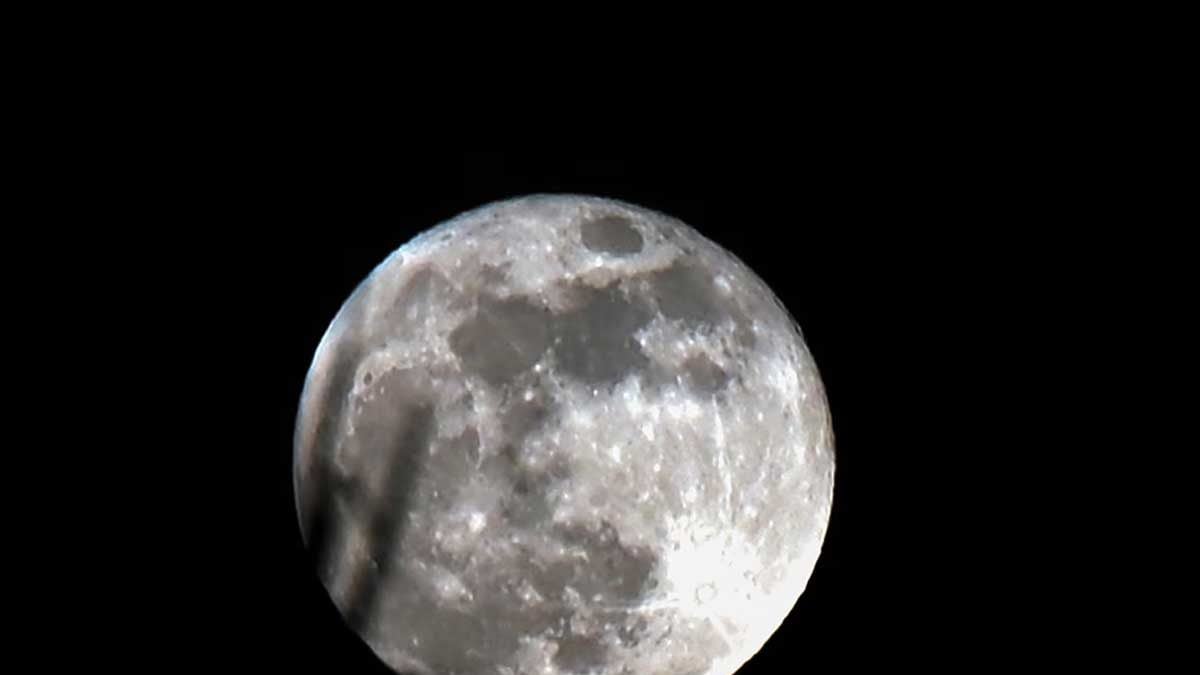

Despite our frequent perception of the moon as bright white, its true color is mainly grey, as revealed by numerous studies and space photography. This is due to the moon’s surface composition, which includes minerals such as oxygen, metals, silicon, and notably, volcanic rocks. These elements contribute to its distinct grey appearance and occasionally a hint of green, attributed to rare minerals like olivine.
The moon’s perceived color can vary based on atmospheric conditions and its surroundings. During the daytime, the presence of bright sunlight creates a contrast that makes the moon appear pale and white. At night, the moon can take on a yellow or orangish hue as light passes through dense air, which scatters shorter blue wavelengths and allows warmer tones to dominate.
Moreover, the color might change with its celestial position and atmospheric phenomena. During a full lunar eclipse, the moon turns red as Earth’s shadow blocks most sunlight, letting only red wavelengths pass through the atmosphere. Yellow and orange hues may be observed when the atmosphere scatters blue light effectively during specific times. Occasionally, the moon can appear blue, a rare sight usually resulting from atmospheric changes caused by events like volcanic eruptions that alter how light is dispersed.
These variations are similar to the way the sun changes color at different times of day due to light distribution in the atmosphere.
Original Story https://www.news18.com/lifestyle/did-you-know-why-does-the-moon-change-its-colours-find-out-here-9100379.html
Category :
Tags: