Beyond the Last Mile: Architecting an EV Fleet Operating System for Gig Work

An electric delivery fleet is only as reliable as its next shift
For a delivery rider covering 100 to 120 kilometres a day, the question isn’t simply whether electricity is cheaper than petrol. It’s whether the vehicle will last through the shift-and what an hour spent waiting for a charge will cost in missed orders. A fleet can look efficient on paper while quietly shifting the cost of downtime onto the rider.
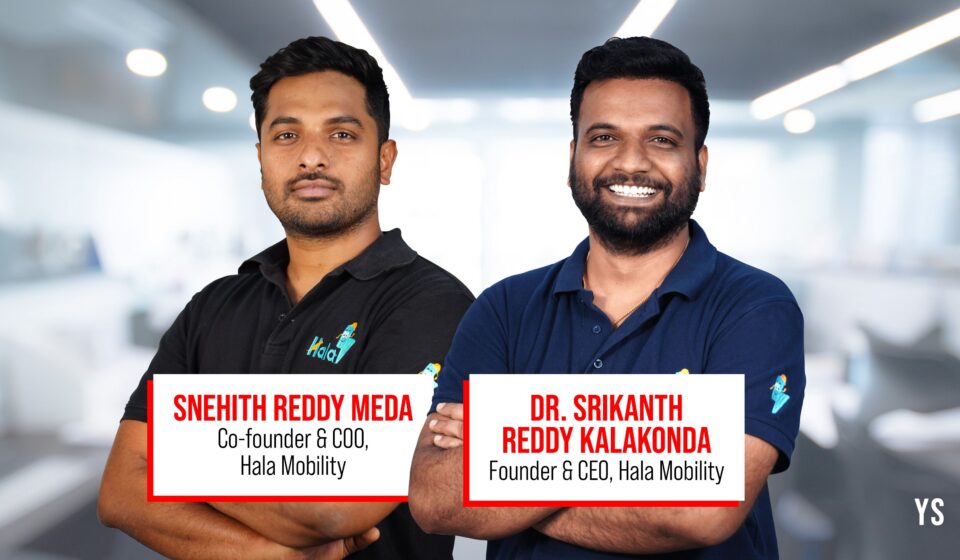
Hyderabad-based Hala Mobility offers a useful case study. By giving riders access to electric vehicles without requiring an upfront purchase, it takes on a problem that selling a vehicle leaves with the buyer: keeping it charged, serviced and available for work.
Design for the next decision, not the next dashboard
From an enterprise architecture perspective, the valuable unit of work is not a telemetry event. It’s a decision someone can act on: Can this vehicle finish the shift? Is the charger nearby actually available? Should the battery come out of service now or after the evening rush?
Those decisions draw on systems that often evolve independently: vehicle telemetry, charging infrastructure, maintenance records and rider scheduling. The temptation is to combine everything in one application. I’d start instead by agreeing on what each system means by available. A vehicle can be mechanically sound, low on charge and already reserved for another rider. If three systems each interpret “available” differently, a unified dashboard will only make the disagreement harder to spot.
Freshness matters just as much. A five-second telemetry feed tells you what the vehicle reported; it doesn’t tell you whether the charger’s queue estimate is current. Show when each reading was last updated, design for intermittent connectivity, and give dispatchers a way to override a recommendation when ground conditions change. Add predictive models where they improve a specific decision, and judge them by whether they reduce avoidable downtime-not by how many signals they consume.
High fleet utilisation can hide an expensive wait
Keeping more vehicles on the road makes sense for an asset-heavy business. But a tightly scheduled fleet leaves less room for a delayed handover, a charger outage or a repair that takes longer than expected. Without some spare capacity, one rider’s disruption becomes the next rider’s late start.
I’d put rider hours lost to vehicle, charging and service delays beside fleet utilisation on the operating dashboard. Track those hours by location and shift. That makes it easier to see whether the next rupee should go into another vehicle, a charging slot, a spare battery or better service coverage.
There’s a governance question here, too. Once operational records are used to assess eligibility for financial support, they carry consequences beyond fleet management. A late rental payment may reflect a vehicle fault that kept a rider off the road. Data used for eligibility decisions needs a clear purpose, a way for riders to correct the record, and a route to challenge a decision.
Build for the city you’re in
For operators expanding into Northeast India, I’d test the service model on actual delivery routes before carrying over assumptions from a larger metro. Terrain changes usable range. The location of a service centre changes how long a minor fault keeps someone off the road. A small pilot should measure both before deciding where to place vehicles, chargers and spare parts.
The test of this architecture isn’t how much of the fleet an operator can see. It’s how reliably a rider can finish a shift without losing income to a problem the system could have anticipated.
About the Author: Sanjeev Sarma is the Founder Director and Chief Software Architect at Webx Technologies. With a core focus on Generative AI integration, Cloud-Native Scalability, and Enterprise Software Architecture, he has spent over two decades driving digital transformation across Northeast India and beyond. Beyond his corporate leadership, Sanjeev is deeply invested in shaping the future of the IT industry. He serves as an Industry Expert on the Board of Studies for Assam Don Bosco University’s School of Technology, advises state technology committees, and actively mentors emerging tech startups at STPI. He brings a unique, dual perspective of high-level enterprise execution and future-ready academic curriculum development.