Capitalizing the Omnichannel Moat: Retail Expansion at Scale

The Hidden Architecture Behind a Jewellery Brand’s Debt Raise
Two funding announcements in under a month, a $100 million-plus equity round and then Rs 90 crore of structured credit, are rarely a coincidence. They usually mean someone has thought carefully about the capital stack.
The Signal
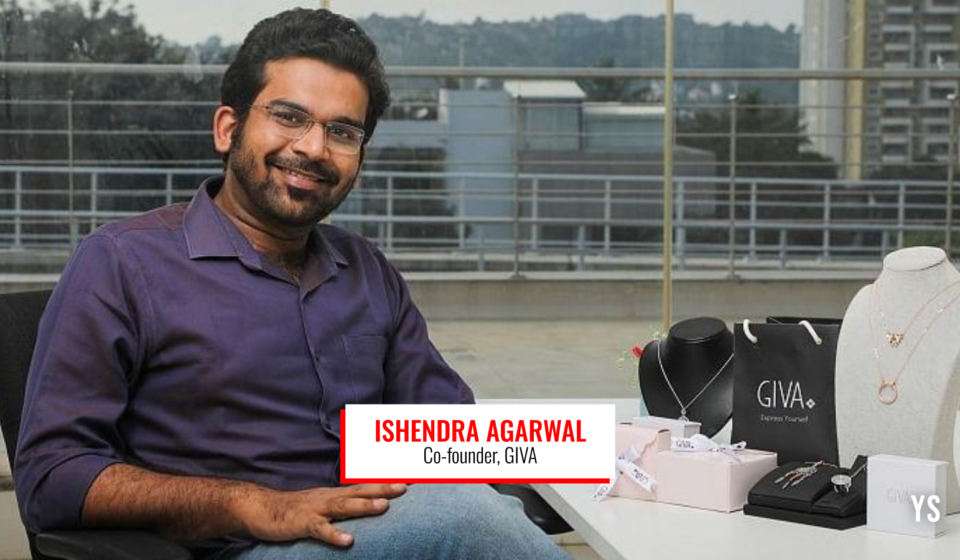
GIVA, a Bengaluru-based everyday jewellery brand, has raised Rs 90 crore from alternative credit platform BlackSoil. The money is earmarked for store capex and working capital, and it follows a round led by Multiples Alternate Asset Management. The company sells through more than 400 stores across India and Sri Lanka, its own D2C site, and third-party and quick-commerce marketplaces.
Equity Buys Ambition, Debt Buys Inventory
This is not a jewellery story for me. It is a story about matching the type of capital to the type of problem. Equity is expensive and dilutive, so it suits uncertain bets like brand building, new categories and technology. Debt suits predictable, asset-backed needs like store fit-outs and inventory cycles. A company that funds shelves with equity is burning its most precious resource on its least strategic problem.
The more interesting layer is what makes the debt possible. Lenders like BlackSoil underwrite on data: store-level unit economics, sell-through rates, return patterns and channel mix. A D2C brand that has been instrumented from day one can show a credit analyst cohort-level evidence that a new store pays back in a predictable window. In practice, data architecture is becoming a financing instrument.
Omnichannel Is a Data Problem Before It Is a Retail Problem
GIVA sells through physical stores, its own website, marketplaces and quick-commerce platforms. Every one of those channels creates its own inventory view, pricing logic and customer record. Jewellery makes this harder because of SKU proliferation, metal price volatility, hallmarking norms and high-value shrinkage.
I have seen this pattern in enterprises of every size. Brands scale their storefronts faster than their systems of record. The result is the “five truths” problem: the ERP, POS, e-commerce platform and marketplace dashboards each report a different stock number. Working capital, which is exactly what this loan funds, gets trapped in that inconsistency. Unified inventory, event-driven stock synchronisation and a single customer identity layer are not IT niceties. They directly determine how much cash a business needs to keep on its shelves.
The Trade-off Founders Underestimate
Rapid physical expansion is a bet that offline unit economics will hold at scale. Early stores are placed with care. The 300th and 400th are placed with spreadsheets and optimism. Debt adds a fixed repayment obligation to that bet, which removes the room for error that equity gives you. So the architectural question for any founder is whether the business can see store-level performance weekly rather than quarterly, and whether it can act on what it sees. Real-time observability on the business, not just on servers, is what makes leverage safe.
A Lesson for Builders Closer to Home
I mentor early-stage founders at STPI, and many of them in the Northeast treat financing as something separate from product and engineering. This case argues otherwise. Clean transaction data, disciplined books and reliable reporting are what lets a small manufacturer, a handloom brand or a regional retailer access structured credit rather than depending only on equity. India’s digital rails, including GST, UPI and the account aggregator framework, already generate the raw material for data-driven lending. The founders who instrument their businesses early will find credit more accessible and cheaper.
Takeaways
- Match capital to purpose: use equity for differentiation and debt for predictable, asset-linked growth.
- Treat data as collateral: lenders increasingly underwrite on the quality and visibility of your operating data.
- Unify before you scale: fix inventory and customer data fragmentation before adding channels and stores.
- Measure at store level, weekly: leverage without fast feedback loops is fragility.
- Build financial hygiene into the stack: reporting should be a by-product of your systems, not a quarterly scramble.
Closing Thought
Growth is decided less by how much capital you raise than by how clearly your systems can show what that capital is doing.
About the Author: Sanjeev Sarma is the Founder Director and Chief Software Architect at Webx Technologies. With a core focus on Generative AI integration, Cloud-Native Scalability, and Enterprise Software Architecture, he has spent over two decades driving digital transformation across Northeast India and beyond. Beyond his corporate leadership, Sanjeev is deeply invested in shaping the future of the IT industry. He serves as an Industry Expert on the Board of Studies for Assam Don Bosco University’s School of Technology, advises state technology committees, and actively mentors emerging tech startups at STPI. He brings a unique, dual perspective of high-level enterprise execution and future-ready academic curriculum development.