Public-Sector CIO Transitions: The Hidden Risk to Digital Continuity

The Fragility of the “Hero Model” in Digital Governance
We often obsess over the shiny new object in GovTech-the dashboards, the AI pilots, the cloud migrations. But we rarely talk about the fragility of the human architecture that holds these systems together. In the enterprise world, we call this “key person risk.” In the public sector, it’s a silent crisis waiting to happen.
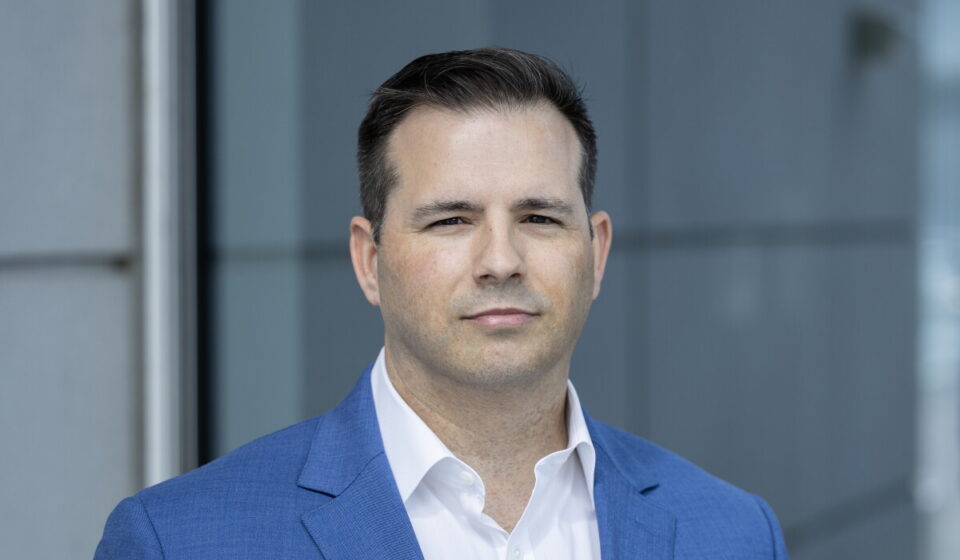
I recently came across the news of Brian Tardiff stepping down as the Chief Digital Officer and CIO of Rhode Island after a tenure marked by significant modernization, including the stewardship of $13 million in CARES Act technology projects. He leaves behind a legacy of service, having previously served as CISO and within the state’s National Guard. His successor, Sanjay Gupta, steps in on an interim basis, bringing a fresh perspective from the private and state-level enterprise.
While a personnel change in a single US state might seem like a localized administrative update, for those of us who architect large-scale systems, it is a glaring signal about the state of Digital Public Infrastructure (DPI). The transition highlights a critical vulnerability in modern governance: the over-reliance on individual champions rather than institutional resilience.
The Architecture of Continuity
When a CIO or CDO departs, they take with them a massive amount of tacit knowledge. In the corporate world, this is managed through rigorous documentation and standard operating procedures. In government, however, the “hero model” often prevails. A dynamic leader comes in, pushes through a major transformation-like Tardiff did with the pandemic-era IT projects-and then leaves. If the underlying architecture isn’t modular, decoupled, and documented to a fault, the next leader inherits a black box.
This is where Enterprise Architecture (EA) principles must transcend the private sector. The departure of a CISO-turned-CIO is particularly telling. It suggests that security was finally elevated to the strategic table. But the transition to an interim leader, while pragmatic, creates a “wait-and-see” paralysis within the organization. Vendors pause, internal teams pivot to survival mode, and the roadmap stalls.
For CTOs and Founders, the lesson here is clear: your succession plan is as important as your disaster recovery plan. If your systems are so complex that only one person understands the web of integrations, you don’t have a digital strategy; you have a house of cards.
The Bharat Parallel: Beyond Individuals
Looking at this from the context of Northeast India and the broader Indian Digital Stack, the implications are profound. As states in the Northeast push for aggressive digital transformation-from land records to citizen service delivery-we cannot afford to build systems that are personality-dependent. We need architectures that are inherently resilient to leadership churn.
In India, the “Mission Karmayogi” initiative attempts to address capacity building, but we need to go deeper. We need to move from a “Hero Model” to a “Framework Model.” The Rhode Island example-where a National Guard veteran with deep cybersecurity roots transitions to a broader digital role-shows the value of cross-pollinating skills. However, it also exposes the risk of consolidation. When a state CIO oversees everything from cybersecurity to procurement to digital services, the bandwidth is thin, and the strategic depth is often sacrificed for operational firefighting.
The Strategic Implication
What does this mean for enterprise architects and tech leaders? It means we must design for “post-leadership” continuity.
- Standardize the Stack: Avoid bespoke, undocumented integrations. Adopt open standards and interoperable frameworks that a new leader can grasp within weeks, not months.
- Document the Why, Not Just the How: Technical documentation is common. Strategic documentation-explaining the trade-offs made, the political constraints faced, and the future roadmap-is rare. This is what a departing leader must leave behind.
- Build Internal Capability: Relying heavily on external vendors or a single internal genius is a liability. Upskilling the internal team ensures that the “brain” of the operation doesn’t walk out the door with the outgoing CIO.
The transition in Rhode Island is a reminder that digital government is a marathon, not a sprint. Leaders will change, but the architecture must endure. As we build the digital future of the Northeast-and India at large-let us focus less on the individuals in the chair and more on the durability of the chair itself.
About the Author: Sanjeev Sarma is the Founder Director and Chief Software Architect at Webx Technologies. With a core focus on Generative AI integration, Cloud-Native Scalability, and Enterprise Software Architecture, he has spent over two decades driving digital transformation across Northeast India and beyond. Beyond his corporate leadership, Sanjeev is deeply invested in shaping the future of the IT industry. He serves as an Industry Expert on the Board of Studies for Assam Don Bosco University’s School of Technology, advises state technology committees, and actively mentors emerging tech startups at STPI. He brings a unique, dual perspective of high-level enterprise execution and future-ready academic curriculum development.