Exclusive: 5 Most Unwatchable James Bond Movies of All Time Unveiled — The 007 Ranking Buzz You Must See!

The 007 Reboot Looms: A Look Back at the Franchise’s Rare Stumbles
Grab your martinis, darlings, because the cinematic universe just shifted on its axis. With the seismic news that Robert Pattinson is set to carry the heavy mantle of the 007 legacy, the rumor mills are ablaze. As we brace ourselves for a new era, fans are undoubtedly dusting off their Blu-rays to revisit the catalog. But let’s be honest, with 25 films spanning decades, not every mission has been a resounding success. While the standard is sky-high, a few installments have left us shaken, and frankly, a little stirred in the wrong way. Here is the tea on the franchise’s rare missteps.
First, we must pour one out for the Roger Moore era’s swan song. A View to a Kill (1985) is often whispered about as the low point of his tenure. Moore was 57 during filming, and the age gap was achingly visible. The stunt doubles were practically wearing name tags, and the tonal shifts-from dark espionage to slapstick comedy-gave us all whiplash. However, it wasn’t a total loss; Christopher Walken devoured the scenery as the villain Max Zorin, and Grace Jones was electric as May Day.
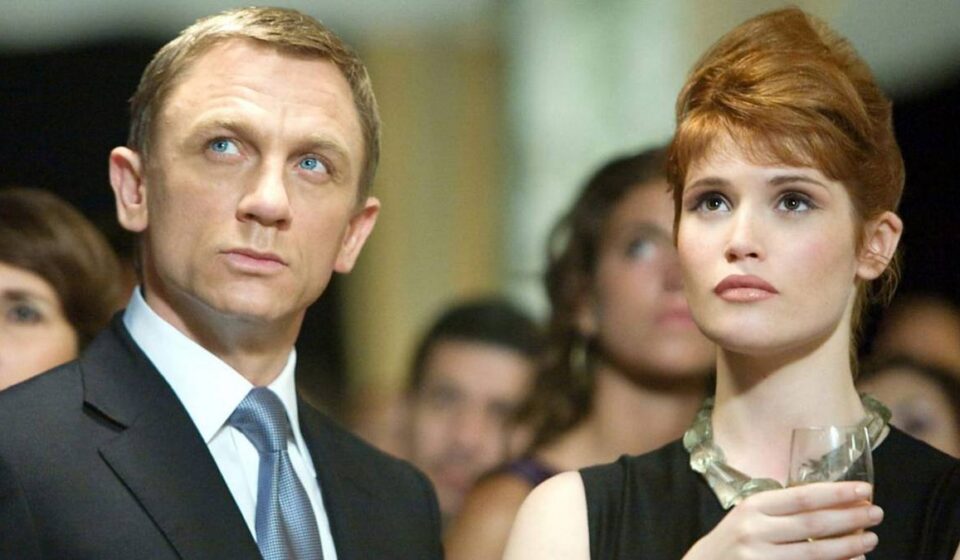
Then came the casualty of a storm. Quantum of Solace (2008) had the impossible task of following Casino Royale. The writers’ strike hit Hollywood hard, and this film took the brunt of it. With Paul Haggis’ script submitted just before pencils went down, Daniel Craig had to step behind the camera (metaphorically) to help rewrite scenes. The result? A frantic, uneven thriller that felt more Bourne than Bond.
Speaking of getting lost in space, 1979’s Moonraker remains the franchise’s biggest tonal outlier. Desperate to capitalize on the Star Wars craze, producers launched 007 into orbit. Between the laser guns and the campy humor, it felt closer to a sci-fi comedy than a spy thriller. It is a divisive entry-a guilty pleasure for some, a nightmare for purists-though it did snag an Oscar nomination for Visual Effects.
Money talks, and in 1971, it screamed. Diamonds Are Forever brought Sean Connery back after George Lazenby’s brief tenure. Connery was lured back with a record $1.25 million salary after the studio found itself in a bind. But the excitement curdled when fans realized the gritty tone was replaced by campy comedy, and the emotional fallout of On Her Majesty’s Secret Service was completely ignored.
Finally, we bid adieu to Pierce Brosnan’s run with Die Another Day (2002). Brosnan revitalized the franchise with GoldenEye, but by his fourth outing, the invisible cars and ridiculous gadgets signaled that the franchise had jumped the shark. Producers felt it was time for a younger, grittier direction, paving the way for Daniel Craig’s Casino Royale.
As we prepare for Pattinson to step into the tuxedo, these stumbles remind us why the franchise’s high points are so magical.