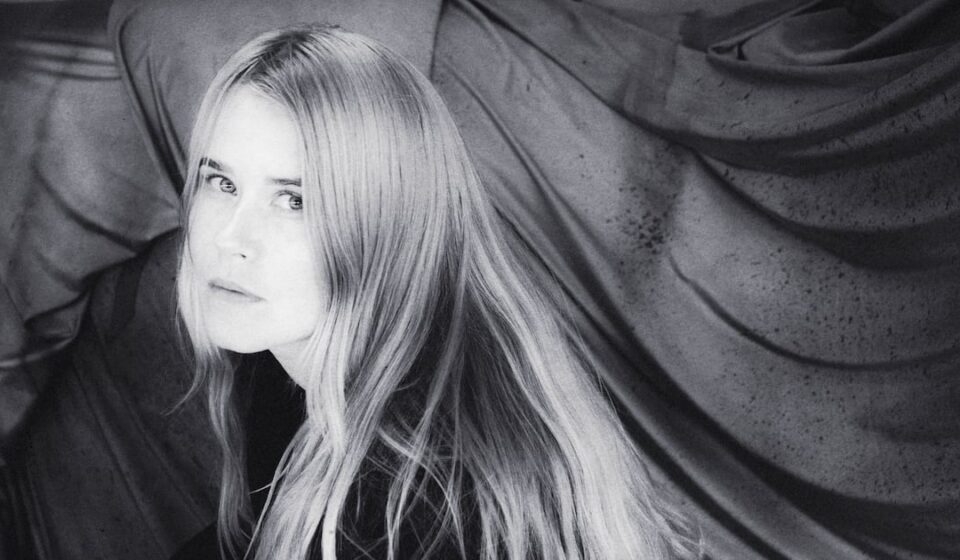
Anna von Hausswolff Unveiled: How a Right-Wing Party Used Her to Chase Catholic Votes

The Devil’s in the Details: Anna von Hausswolff Turns Protest into Power
Darling, gather around. We need to talk about the kind of drama that makes the entertainment industry spin. Forget your standard backstage tantrums; we are talking about barricades, bishops, and the kind of sonic assault that sends grown men running to their rosaries. Our subject today is the brilliant, the bold, the “Satanic” Anna von Hausswolff, a woman who turned a terrifying ordeal into the most acclaimed record of her career. Trust me, the tea is piping hot and the music is even hotter.
Picture the scene: Nantes, France, December 2021. The setting is the majestic 19th-century Notre-Dame de Bon-Port basilica. Von Hausswolff is set to play the neoclassical pipe organ, but outside, a hardline Catholic mob is growing louder and angrier, branding her a “high priest of Satanic art.” Lovely, right? The protestors barricaded the doors, trapping the Swedish siren inside. She had the bishop’s blessing, mind you, but the vibe was decidedly less than holy. “I did not feel safe at all,” she admits. Forced to cancel, she became an unwitting icon for the very people trying to silence her.
And this, my dears, is where the story gets deliciously complicated. This scandal-fueled by a right-wing election agenda looking to score points with traditionalists-became the catalyst for Iconoclasts, her sixth album. It’s a record that proves there is nothing more commercially and critically viable than a woman scorned. It won the Swedish Grammy, for heaven’s sake!
Don’t think this is her first brush with the devil, though. Remember 2013? The Burzum T-shirt fiasco? She confesses she was “naïve” wearing the merch of a convicted murderer, calling it a “lesson in presentation.” But the French fiasco was different. That was an attack on art itself. “All of a sudden I became this kind of iconoclast,” she laughs, “and that was really not my intention.”
The album is a deliciously doomy meditation on that trauma, a collision of modern and ancient, the terrifying and the fantastical. It’s like Kate Bush went crowd-surfing in a cathedral. She even ropes in Iggy Pop and Ethel Cain for the ride.
But beneath the maximalist heavy-metal ambience and her banshee vocals lies a very human vulnerability. Currently 40, she doesn’t hold back on the industry’s obsession with youth. “Everybody wants to try and look younger,” she notes, lamenting how women are terrified to present their “natural, beautiful older selves.”
Having watched the world crumble via Trump, pandemics, and climate crises, she’s channeling that chaos into hope. For her upcoming Dublin debut at the National Concert Hall on November 11th, expect a cathartic release. “Writing this album was a healing way of finding strength,” she says.
So, when the curtains rise in Dublin, do not expect a quiet recital. Expect a woman who faced down a mob, reclaimed her narrative, and is ready to shake the rafters. It’s not just music; it’s a resurrection. And you, my darlings, have a front-row seat to the miracle.