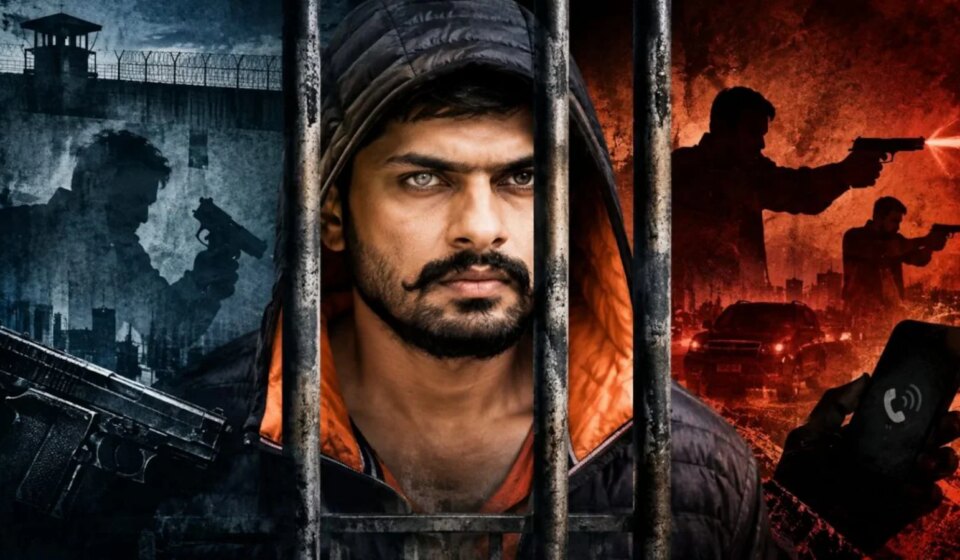

The alleged role of the Lawrence Bishnoi gang in the recent firing incident involving actor Tiger Shroff has renewed focus on a long-standing challenge for Indian law enforcement: gang leaders continuing to run criminal networks from behind bars. Lawrence Bishnoi is lodged in Gujarat’s Sabarmati Central Jail, while his brother Anmol is imprisoned in Delhi’s Tihar Jail. Despite this, both have been accused of ordering some of the major shootouts in Mumbai over the past three years. Mumbai Police is expected to seek Anmol Bishnoi’s custody from Tihar Jail in connection with the Tiger Shroff firing case, though earlier attempts to obtain Lawrence Bishnoi’s custody from Sabarmati have failed.
The Bishnoi brothers are not the first alleged example of this phenomenon. Mumbai’s underworld has a long history of gang leaders accused of operating from prison. In the 1990s and early 2000s, while Dawood Ibrahim, Chhota Rajan and Abu Salem were believed to be directing operations from abroad, gangsters such as Arun Gawli and Ashwin Naik allegedly continued to operate from Indian jails. From prisons in Mumbai, Pune, Thane and Nashik, they were accused of recruiting shooters, issuing extortion instructions and ordering killings. Naik was accused of ordering his wife Neeta Naik’s murder while in jail, though he was later acquitted. Gawli was accused of orchestrating the murder of Jayant Jadhav, a confidante of Shiv Sena supremo Bal Thackeray, while behind bars.
Corruption within the prison system has traditionally enabled such operations. Investigators have alleged that gangs built networks involving corrupt jail personnel, using bribes and gifts to secure special comforts and facilitate communication with associates outside. Gang leaders have also been accused of passing instructions through meetings with lawyers and other legally permitted visitors. Inmates released on bail, acquitted, completing sentences or taken out for court hearings could carry messages. Smuggled mobile phones made communication easier, connecting gang leaders with members, extortion targets and even the media.
Lawrence Bishnoi’s case illustrates the problem. In March 2023, he gave two interviews to a Hindi news channel despite being in custody, the second while lodged in Jaipur Central Jail. In mid-2024, a video surfaced showing him wishing Eid to Pakistani gangster Shezad Bhatti over a video call from Sabarmati Jail. An inmate, Hashim Baba, reportedly told police that Bishnoi had access to a mobile phone. In Maharashtra, jail officer Swati Sathe conducted raids in several prisons and recovered phones from inmates.
There have also been allegations that some gangsters are treated as “assets” by intelligence agencies because their networks can be used against rival groups or enemy operatives. In return, they may allegedly receive protection and privileges inside prison. Such claims, if established, raise serious questions about the line between intelligence operations and criminal law enforcement. For now, the Tiger Shroff firing case has put the issue back in the spotlight as Mumbai Police prepares to pursue Anmol Bishnoi’s custody.
Original Source: https://www.ndtv.com/india-news/tiger-shroff-shooting-lawrence-bishnoi-jail-is-no-bar-how-gangsters-call-the-shots-from-inside-prisons-12256917#publisher=newsstand
Category:
Tags:
Publish Date: 2026-10-30 09:12:00